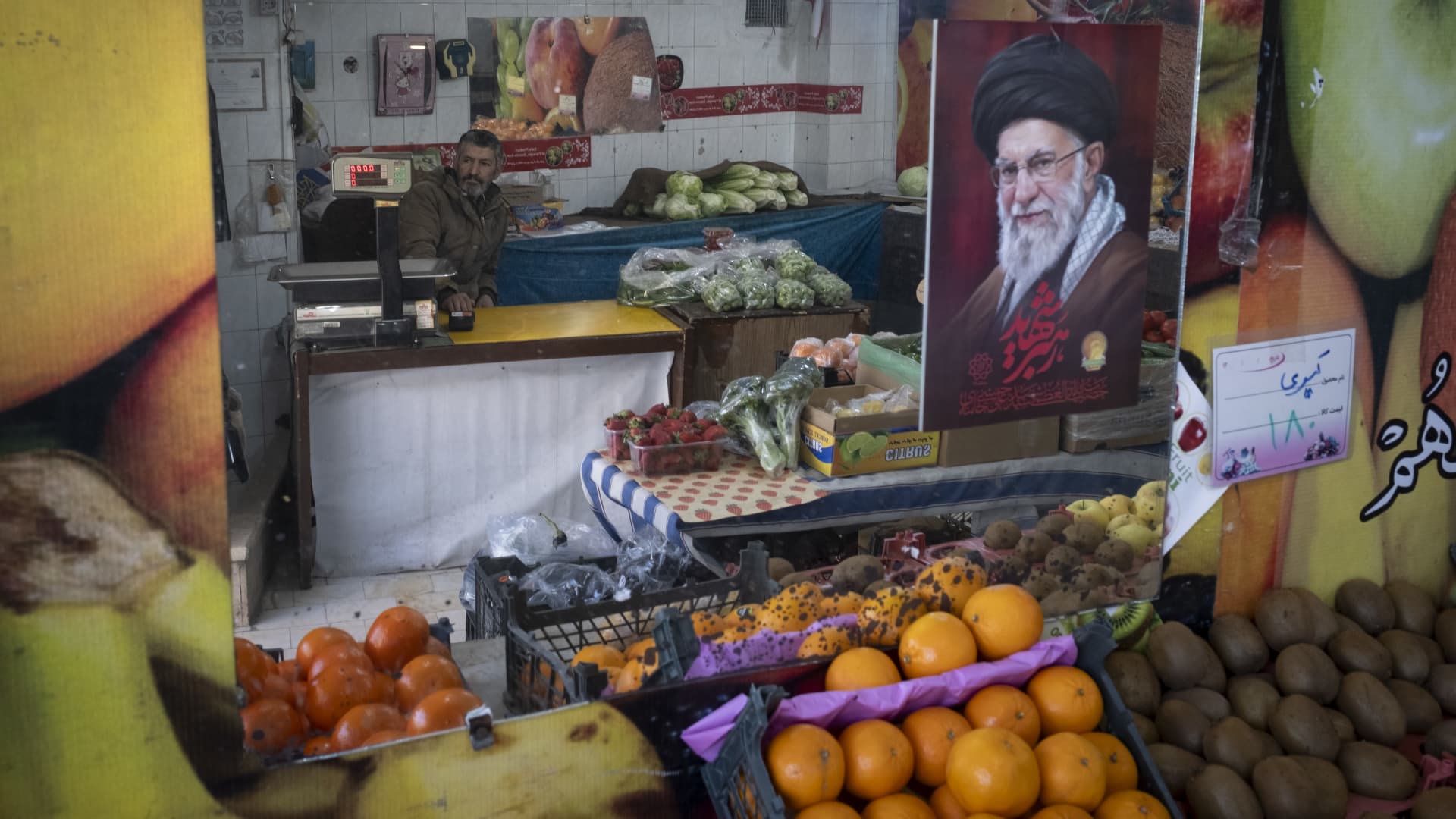
Economic Collapse Looms: Iran Faces Hyperinflation and Infrastructure Ruin
Iran is currently grappling with a severe economic crisis as the ongoing regional conflict exacerbates long-standing financial instability. Projections for 2026 indicate a significant 6.1% contraction in the nation’s economy, while inflation rates have surged to a staggering 69%. This fiscal deterioration is mirrored in the currency markets, where the rial has plummeted to a valuation of approximately 1.32 million per U.S. dollar, signaling a profound loss of market confidence.
The nation’s primary revenue stream, oil exports, has been severely compromised by international pressure and the strategic blockade of the Strait of Hormuz, which has disrupted roughly 90% of Iran’s international trade. With the United States signaling potential sanctions against financial institutions that facilitate Iranian oil transactions, the country’s ability to generate foreign capital remains critically stifled. This isolation has left the domestic market in a state of turmoil, with the cost of essential goods skyrocketing; prices for bread, cereals, and fats have seen triple-digit percentage increases, forcing the central bank to issue a 10-million rial note to manage the cash crunch.
Beyond the immediate inflationary pressures, the physical toll on Iran’s infrastructure is immense. Targeted strikes on refineries and power plants have resulted in estimated damages between $200 billion and $270 billion. Government officials estimate that the path to recovery will span at least a decade, contingent upon the restoration of critical infrastructure and the eventual lifting of international sanctions. As regional partners seek alternative trade routes to bypass the conflict zone, Iran faces a prolonged period of fiscal deficit and diminished global economic influence.
Key Takeaways
- Iran's economy is projected to contract by 6.1% in 2026, accompanied by hyperinflation reaching 69%.
- The blockade of the Strait of Hormuz has disrupted 90% of Iran's trade, severely limiting oil export revenue.
- Physical damage to energy infrastructure is estimated at up to $270 billion, with recovery expected to take over a decade.
Editor’s Analysis & Impact
The economic situation in Iran represents a critical case study in the impact of geopolitical isolation on a resource-dependent nation. The combination of hyperinflation and the systematic destruction of energy infrastructure creates a ‘perfect storm’ that prevents traditional fiscal recovery mechanisms from functioning. From a market perspective, the disruption of the Strait of Hormuz continues to pose a significant risk to global energy supply chains, forcing regional neighbors to diversify their logistics. The long-term outlook remains bleak; even if a peace deal were reached, the sheer scale of capital required to rebuild the energy sector suggests that Iran will remain a volatile market for the foreseeable future. Investors and policymakers should anticipate continued instability, as the country’s reliance on limited international support from allies like Russia and China is unlikely to offset the structural damage caused by the current conflict.
Frequently Asked Questions
Q: Why is the Iranian central bank issuing a 10-million rial note?
A: The central bank is issuing the higher denomination note to meet the high demand for cash and to facilitate transactions amid runaway inflation and the devaluation of the currency.
Q: What is the primary cause of Iran's current economic contraction?
A: The contraction is driven by a combination of war-related infrastructure damage, international sanctions that have cut off oil export earnings, and the disruption of trade routes through the Strait of Hormuz.
AI Disclosure: This article is based on verified data and official reports. Our Team and AI have cross-referenced every financial detail with primary sources to ensure total accuracy.
More from this Category