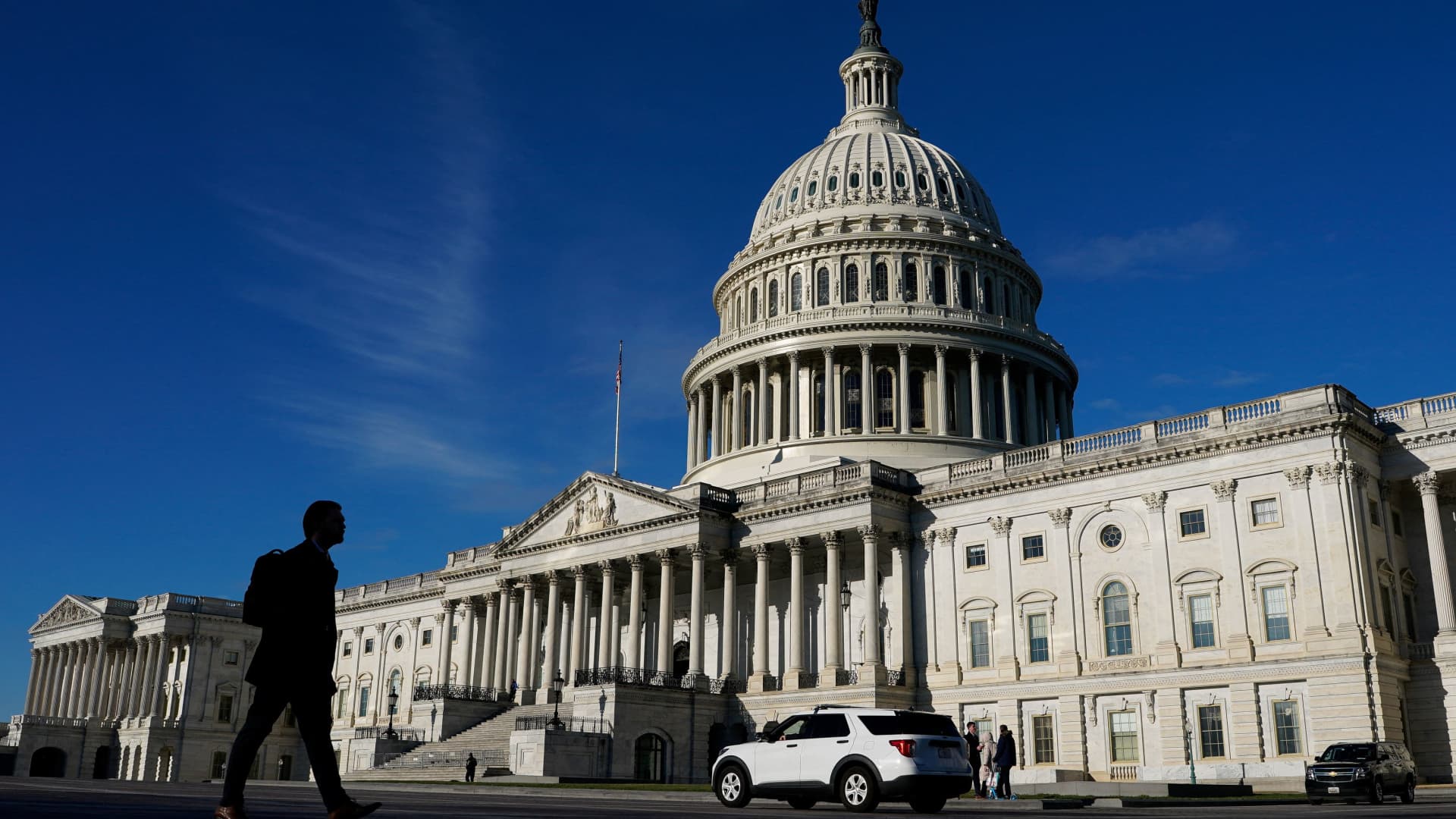
Senate Advances $70 Billion Funding Package to Strengthen Border Security
The U.S. Senate has successfully passed a $70 billion legislative package aimed at resolving the partial shutdown of the Department of Homeland Security. The bill, which secured a 50-48 vote, provides essential operational funding for Immigration and Customs Enforcement (ICE) and the Border Patrol over a three-year period. The legislation now heads to the House of Representatives for further deliberation.
Legislative negotiations were characterized by significant debate regarding oversight protocols for immigration enforcement agents. A primary point of contention involved the implementation of stricter judicial warrant requirements for private residences, with some lawmakers expressing concern that such mandates could hinder the operational efficiency of border security efforts. To overcome these legislative hurdles, Senate leadership employed the budget reconciliation process, enabling the bill to advance with a simple majority.
Beyond general operational support, the package includes a notable amendment championed by Senator Lindsey Graham. This provision establishes a specialized fund specifically targeted at the apprehension and deportation of individuals with violent criminal records. By prioritizing the removal of high-level security threats, the amendment seeks to address specific public safety concerns within the broader immigration enforcement framework.
As the political landscape shifts toward upcoming midterm elections, this funding measure underscores the persistent ideological divide regarding national security and immigration policy. While proponents argue that the investment is vital for maintaining border integrity, critics continue to scrutinize the allocation of resources in the context of broader national economic priorities, including healthcare and energy expenditures.
Key Takeaways
- The Senate approved a $70 billion, three-year funding package for ICE and the Border Patrol.
- The legislation aims to end the current partial shutdown of the Department of Homeland Security.
- A new specialized fund was created to prioritize the deportation of individuals with violent criminal histories.
Editor’s Analysis & Impact
The Senate’s strategic use of the budget reconciliation process highlights a shift toward prioritizing enforcement capacity over achieving broad legislative consensus. By bypassing traditional gridlock, leadership has secured immediate fiscal relief for the Department of Homeland Security, though this approach risks deepening political polarization. The inclusion of targeted funding for the deportation of violent offenders is a calculated move to align enforcement priorities with public safety, potentially mitigating some political backlash. Looking ahead, the effectiveness of this $70 billion investment will hinge on the operational integration of these resources. As immigration remains a focal point for the upcoming midterm elections, the success or failure of this funding package will likely serve as a key metric for voters assessing the government’s ability to manage border security effectively.
Frequently Asked Questions
Q: What is the primary goal of the $70 billion funding package?
A: The package is designed to provide three years of operational support for ICE and the Border Patrol to bolster border security and immigration enforcement efforts.
Q: What is the next step for the legislation?
A: The bill must now be reviewed and voted upon by the House of Representatives before it can proceed to the executive branch for final approval.
Q: Why was the budget reconciliation process utilized?
A: The reconciliation process was used to allow the bill to pass with a simple majority, effectively bypassing the need for a broader bipartisan agreement on contentious oversight and warrant requirements.
AI Disclosure: This article is based on verified data and official reports. Our Team and AI have cross-referenced every financial detail with primary sources to ensure total accuracy.
More from this Category