Portal Space Systems Lands $50 Million to Revolutionize Orbital Mobility
Portal Space Systems has successfully closed a $50 million Series A funding round, bringing the startup’s total valuation to $250 million. Founded in 2021 by Jeff Thornburg, a veteran engineer known for his work on the Raptor engine for SpaceX’s Starship, the company is utilizing this capital to accelerate the development of its proprietary solar thermal propulsion technology. The investment round, which included participation from ARK Invest, Geodesic Capital, and Mach33, highlights a surging market demand for high-performance, in-space maneuvering capabilities.
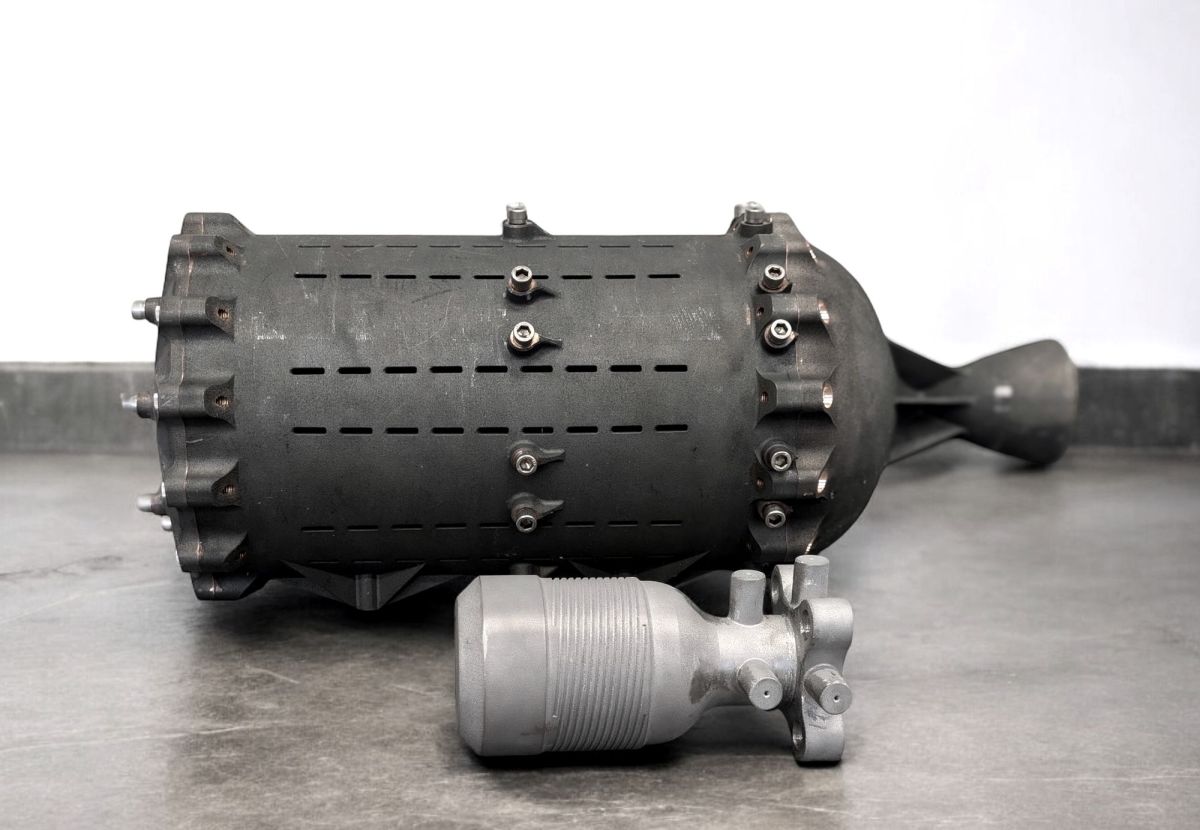
The company’s core innovation, the ‘Hex thruster,’ utilizes concentrated solar heat to generate thrust, offering a distinct performance advantage over traditional chemical and electric propulsion systems. As orbital congestion increases, the necessity for satellites to perform rapid and precise maneuvers has become a priority for both commercial operators and national security entities. By providing a more efficient way to navigate space, Portal Space Systems aims to address the growing logistical challenges of the modern orbital environment.
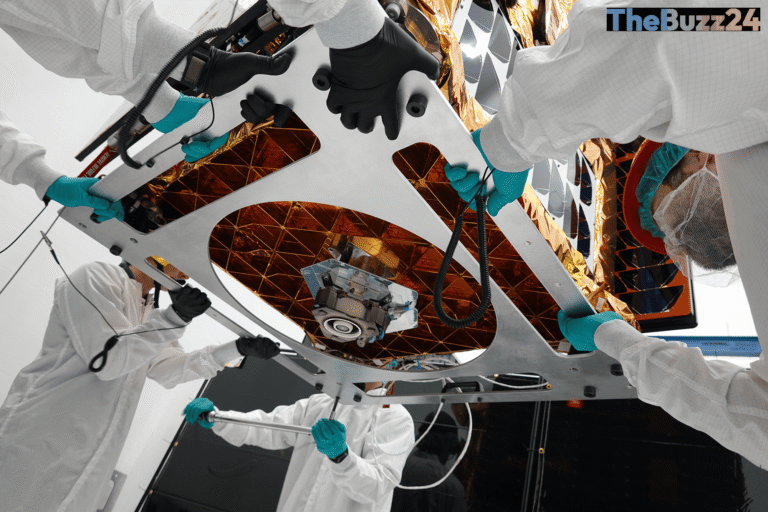
In addition to its commercial efforts, the firm has secured $45 million in strategic support from the U.S. military to expedite its development timeline. The company is currently testing flight electronics and is on track for a prototype launch this October. Looking toward the future, Portal Space Systems plans to launch its SuperNova spacecraft in 2027 to demonstrate the full potential of its propulsion platform. While other firms explore nuclear thermal options, Portal is focusing on immediate, scalable solar thermal solutions to establish a foundational infrastructure for the next generation of space operations.
Key Takeaways
- Portal Space Systems raised $50 million in Series A funding, reaching a $250 million valuation.
- The company is developing 'Hex thrusters' that use solar thermal energy for more efficient orbital maneuvering.
- A prototype launch is scheduled for October, with a full-scale SuperNova spacecraft demonstration planned for 2027.
Editor’s Analysis & Impact
The successful funding of Portal Space Systems underscores a critical shift in the space economy: the transition from merely launching assets to actively managing them in orbit. As the number of satellites in Low Earth Orbit (LEO) grows, the ‘space traffic’ problem is becoming a primary bottleneck for commercial and defense operations. By focusing on solar thermal propulsion, Portal is positioning itself in a ‘Goldilocks’ zone—offering higher efficiency than chemical rockets without the regulatory and technical hurdles currently associated with nuclear thermal propulsion. If the company successfully demonstrates its technology in 2027, it could become a vital utility provider for the space industry, effectively acting as the ‘tugboat’ or ‘fighter jet’ of the orbital ecosystem. This move signals that the next phase of space commercialization will be defined by mobility and logistics rather than just launch capacity.
Frequently Asked Questions
Q: What is the primary advantage of Portal Space Systems' solar thermal propulsion?
A: The solar thermal approach provides a significant performance upgrade over conventional chemical propellants and traditional electric propulsion, allowing for more rapid and precise orbital maneuvers.
Q: When does the company plan to launch its SuperNova spacecraft?
A: Portal Space Systems plans to debut its SuperNova spacecraft in 2027 to demonstrate the full capabilities of its propulsion technology.
AI Disclosure: This article is based on verified data and official reports. Our Team and AI have cross-referenced every financial detail with primary sources to ensure total accuracy.
More from this Category