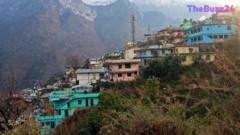
Tragedy in the Himalayas: Helicopter Crash Claims Six Lives in Uttarakhand
A tragic helicopter crash in the northern Indian state of Uttarakhand has resulted in the deaths of five religious pilgrims and the pilot. The aircraft had departed from the prominent Hindu pilgrimage destination of Badrinath on Friday afternoon when it lost communication with air traffic controllers before going down near a village in the Chamoli district.
While the exact cause of the disaster remains under investigation, regional weather conditions were severely compromised at the time of the flight. Meteorological officials had previously issued an orange alert for the mountainous area, warning travelers of impending thunderstorms, hail, and strong winds. Uttarakhand, situated along the Himalayan range bordering China and Nepal, frequently experiences treacherous weather patterns that complicate aerial navigation through its steep valleys.
The region draws millions of devotees annually to its sacred shrines, particularly along the revered Char Dham pilgrimage circuit, which includes Badrinath, Kedarnath, Gangotri, and Yamunotri. With difficult terrain making ground travel arduous, aerial transport has grown significantly in popularity. However, this tragedy highlights ongoing safety concerns surrounding mountain aviation, following previous fatal incidents on the same pilgrimage routes in recent years and prompting renewed scrutiny from regulatory authorities.
Key Takeaways
- A helicopter crash in Uttarakhand, India, resulted in six fatalities, including five pilgrims and the pilot.
- The aircraft went down near Joshimath after departing from the sacred site of Badrinath amid severe weather conditions.
- The incident has reignited safety concerns regarding commercial helicopter operations utilized by pilgrims in mountainous regions.
Editor’s Analysis & Impact
The latest aviation tragedy in Uttarakhand underscores the critical need for stricter regulatory oversight and enhanced safety protocols for commercial helicopter operations in treacherous mountain terrains. As pilgrimage tourism continues to surge in the Himalayan region, the reliance on aerial transport to bypass difficult terrain has introduced significant operational risks, especially during adverse weather conditions. Moving forward, civil aviation authorities will likely face mounting pressure to implement more rigorous pre-flight weather screenings, mandatory safety upgrades, and stricter enforcement of flight restrictions during orange-alert meteorological events. This incident not only impacts public confidence in mountain tourism but also signals a potential shift toward tighter governmental controls over regional charter and pilgrimage aviation services.
Frequently Asked Questions
Q: What caused the helicopter crash in Uttarakhand?
A: The exact cause is still under investigation, but authorities noted that the region was experiencing severe weather, including heavy rain, thunderstorms, and poor visibility at the time of the flight.
Q: How many people died in the accident?
A: Six people lost their lives in the crash, consisting of five pilgrims and the pilot.
Q: Where was the helicopter traveling?
A: The aircraft had taken off from the Hindu pilgrimage site of Badrinath and went down near a village close to Joshimath in the Chamoli district.
AI Disclosure: This article is based on verified data and official reports. Our Team and AI have cross-referenced every financial detail with primary sources to ensure total accuracy.
More from this Category