Tragedy Strikes Spain: High-Speed Train Collision Near Madrid Claims Dozens of Lives
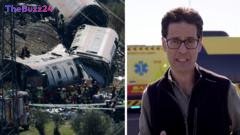
A devastating collision involving two high-speed trains south of Madrid has resulted in a significant loss of life, with dozens confirmed dead and numerous others injured. The incident occurred near the Spanish capital, sending shockwaves through the nation.
Emergency services were immediately dispatched to the scene, working tirelessly to rescue survivors and tend to the injured amidst the wreckage. The scale of the disaster has prompted a strong reaction from the highest levels of government. Prime Minister Pedro Sánchez has publicly condemned the event, stating that it is “unacceptable” for Spain to experience such a fatal rail accident for the second time within a year. This sentiment underscores the gravity of the situation and raises urgent questions about rail safety protocols.
Details surrounding the exact cause of the crash are still emerging as investigations commence. The collision between the two high-speed services has not only led to a tragic human toll but also disrupted vital transportation links. Authorities are focused on recovery efforts, providing support to the victims and their families, and determining the factors that led to this catastrophic event. The incident is expected to trigger a thorough review of Spain’s railway infrastructure and safety measures.
Key Takeaways
- Two high-speed trains collided near Madrid, Spain, resulting in a significant number of fatalities and injuries.
- Spanish Prime Minister Pedro Sánchez described the incident as "unacceptable," highlighting it as the second fatal rail crash in the country within a year.
- Investigations into the cause of the collision are underway, with a focus on rail safety and infrastructure.
Editor’s Analysis & Impact
This tragic train collision near Madrid underscores critical vulnerabilities in high-speed rail safety, particularly in light of it being the second major incident in Spain within a year. The immediate focus will be on rescue and recovery, but the long-term implications for the national rail operator and regulatory bodies are substantial. Expect intense scrutiny of maintenance, operational procedures, and signaling systems. This event could lead to significant investments in safety upgrades and potentially stricter regulations across Europe’s rail networks, impacting operational costs and timelines for infrastructure projects. The government’s strong reaction suggests a swift and comprehensive response to prevent future occurrences.
Frequently Asked Questions
Q: Where did the train crash occur?
A: The collision took place south of Madrid, the capital of Spain.
Q: What was the government's reaction to the crash?
A: Prime Minister Pedro Sánchez called the incident "unacceptable," noting that it is the second fatal rail crash in Spain in the past year.
Q: What are the immediate next steps following the crash?
A: Emergency services are focused on rescue and recovery operations, providing aid to victims and their families, and initiating investigations into the cause of the collision.
AI Disclosure: This article is based on verified data and official reports. Our Team and AI have cross-referenced every financial detail with primary sources to ensure total accuracy.
More from this Category