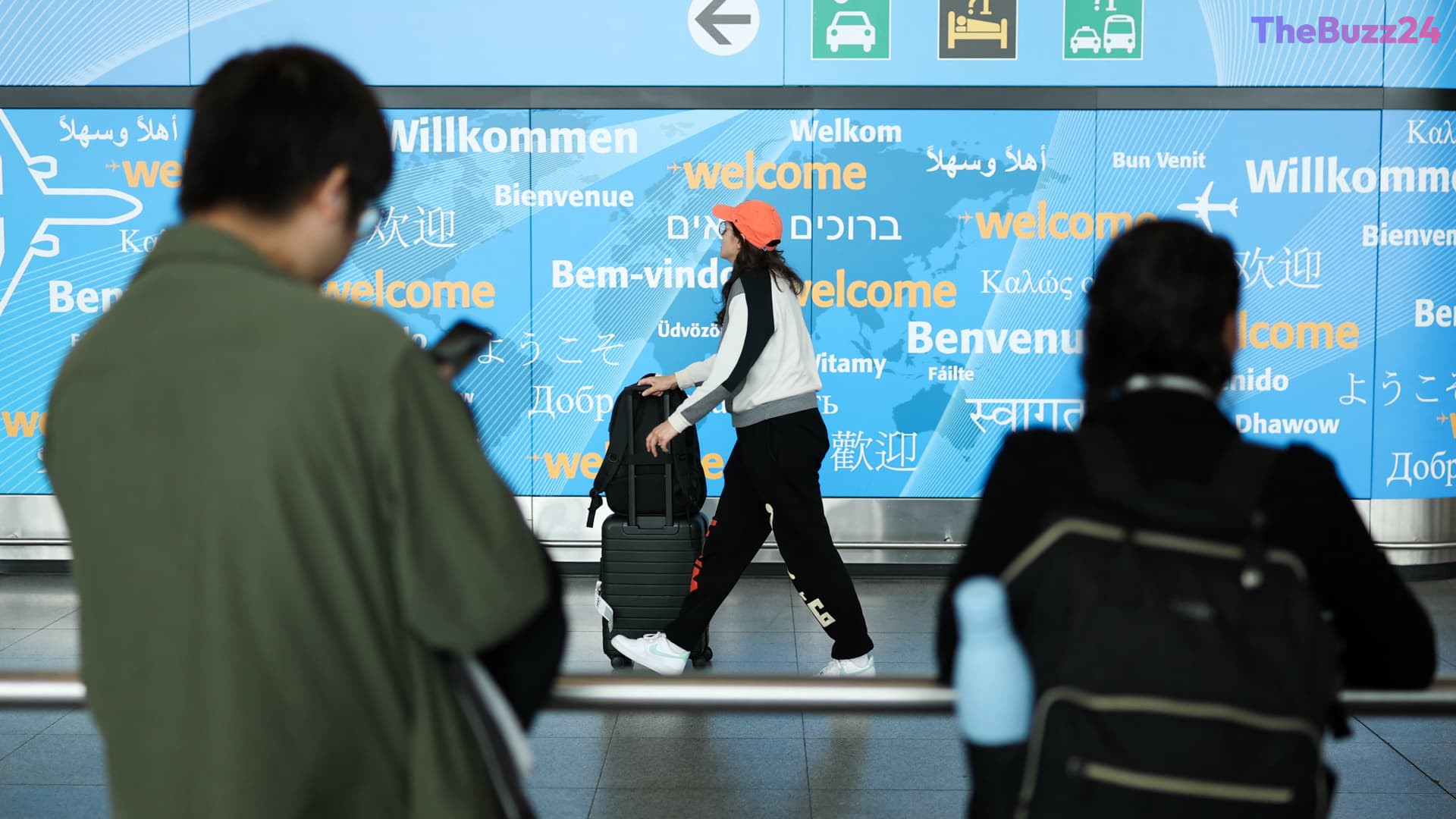
Aviation Industry Braces for Potential Federal Crackdown on Sanctuary City Airports
The federal government is reportedly weighing a controversial strategy that could fundamentally alter international air travel to major U.S. metropolitan areas. Proposals currently under discussion involve the potential suspension of customs and immigration processing at airports located within so-called ‘sanctuary cities.’ By targeting the infrastructure required for international arrivals, officials aim to exert pressure on local jurisdictions that maintain policies limiting cooperation with federal immigration enforcement.
Major aviation stakeholders, including American Airlines, United Airlines, and Delta Air Lines, have raised alarms regarding the operational feasibility of such a mandate. Industry groups warn that any reduction in Customs and Border Protection staffing at primary international gateways would trigger widespread flight delays, logistical bottlenecks, and significant disruptions to global supply chains. Beyond the immediate impact on passenger travel, the restriction of international cargo processing could have cascading effects on the national economy.
The timing of these potential measures has drawn intense scrutiny, particularly as the United States prepares to host the FIFA World Cup. Leaders in the hospitality sector, including representatives from Hilton and Marriott, have cautioned that any interference with airport processing could severely damage the tourism industry in key host cities. Major hubs such as New York, Los Angeles, Chicago, and San Francisco are among those identified as potential targets for these federal restrictions.
While the administration has not yet formalized these plans, the mere discussion of using airport operations as political leverage has created significant uncertainty. Analysts suggest that by threatening the economic vitality of major urban centers, the federal government is attempting to force a shift in local immigration policy. However, travel industry advocates maintain that such a move would be counterproductive, potentially causing long-term damage to the U.S. travel and tourism sector.
Key Takeaways
- The federal government is considering halting customs processing at airports in sanctuary cities to influence local immigration policies.
- Major airlines and hospitality chains warn that such restrictions would cause massive operational disruptions and economic damage.
- The potential policy shift comes at a critical time as the U.S. prepares to host the FIFA World Cup, raising concerns about tourism capacity.
Editor’s Analysis & Impact
The proposal to link federal airport customs operations with local immigration policy represents a significant escalation in the use of administrative levers to enforce federal mandates. From a market perspective, this creates a high-risk environment for the aviation and hospitality sectors, which rely on predictable, frictionless international travel. If implemented, the policy would likely lead to a ‘chilling effect’ on international business travel and tourism, as carriers might be forced to reroute flights or reduce capacity to avoid non-compliant hubs. The broader implication is a shift toward the politicization of critical national infrastructure. Investors should monitor the situation closely, as any move to restrict port-of-entry services would likely result in immediate volatility for airline stocks and could necessitate a re-evaluation of revenue projections for major urban tourism markets.
Frequently Asked Questions
Q: What is the primary goal of the proposed airport processing restrictions?
A: The goal is to use the federal government's control over customs and immigration processing as leverage to pressure local governments in 'sanctuary cities' to align more closely with federal immigration enforcement policies.
Q: Which industries would be most affected by these potential changes?
A: The aviation industry (airlines), the hospitality sector (hotels and tourism), and global logistics/cargo companies would face the most significant operational and financial risks.
AI Disclosure: This article is based on verified data and official reports. Our Team and AI have cross-referenced every financial detail with primary sources to ensure total accuracy.
More from this Category