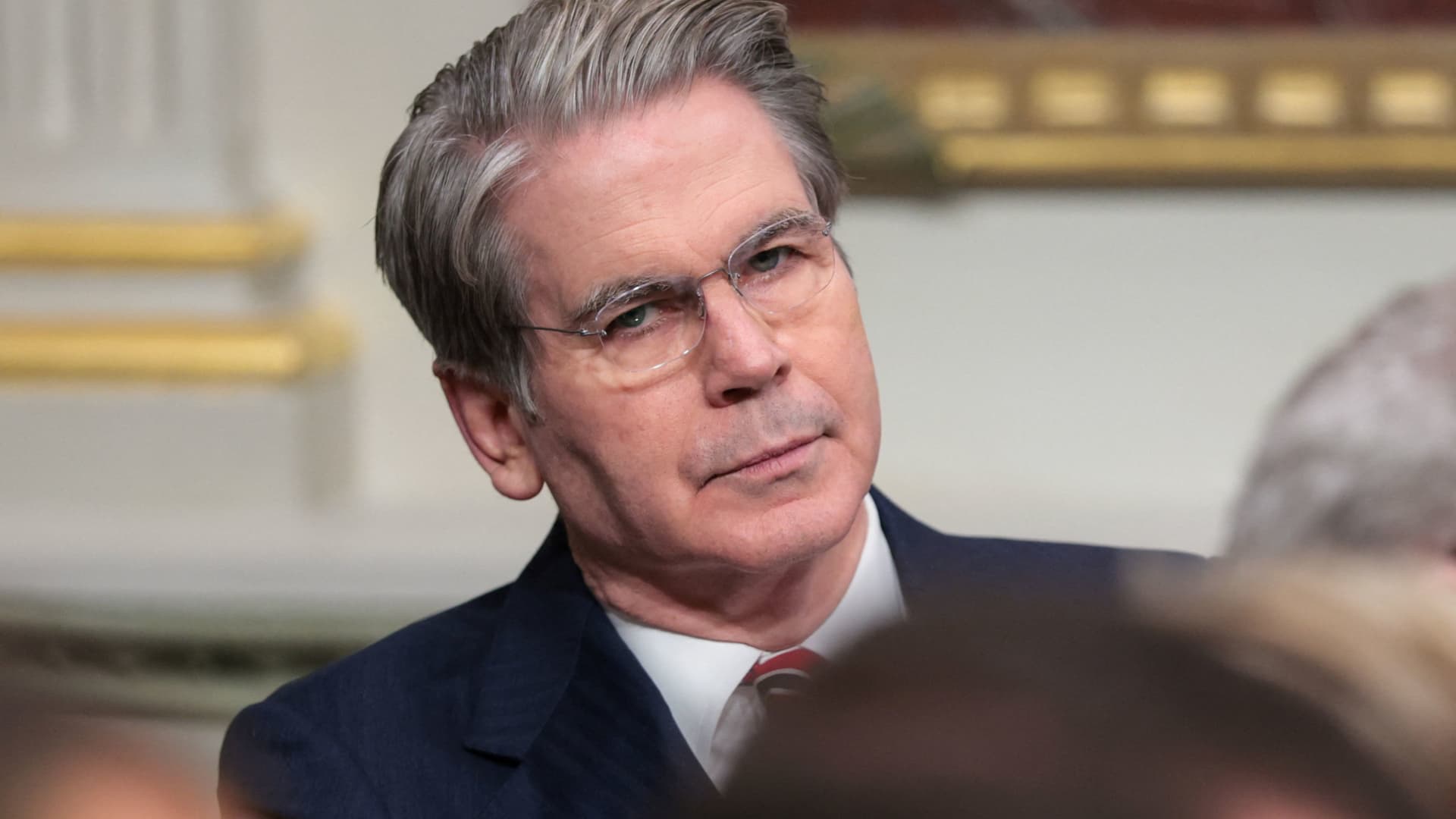
Treasury Secretary Bessent Signals Support for Rate Cuts as Inflation Cools
Treasury Secretary Scott Bessent has expressed growing optimism regarding the trajectory of inflation, suggesting that current economic data supports a shift toward lower interest rates. During a recent economic forum in Washington, D.C., Bessent highlighted that core inflation metrics are showing consistent signs of cooling, providing the Federal Reserve with the necessary room to maneuver. While he remains a proponent of easing monetary policy to stimulate growth, he acknowledged the central bank’s need for caution, particularly given the geopolitical uncertainty stemming from the ongoing conflict in Iran.
Recent government data underscores the divergence between headline and core inflation. While consumer and producer prices saw moderate upticks in March—largely driven by energy price volatility linked to the Iran conflict—core inflation figures, which strip out volatile food and energy costs, remained remarkably stable. Bessent noted that the recent decline in Treasury yields reflects a broader market consensus that inflation expectations are stabilizing, especially as oil prices have retreated following a ceasefire.
Despite his push for rate cuts, Bessent remains sensitive to the Federal Reserve’s complex mandate. The central bank is currently balancing the need to curb inflationary pressures against signs of slowing economic expansion. This policy debate is further complicated by the upcoming transition in leadership at the Federal Reserve. With Chair Jerome Powell’s term ending in May, the nomination process for his successor, which includes candidate Kevin Warsh, has become entangled in political scrutiny and ongoing investigations into the central bank’s internal operations.
Key Takeaways
- Treasury Secretary Scott Bessent believes core inflation is sufficiently under control to justify interest rate cuts.
- Geopolitical instability, specifically the conflict in Iran, remains a primary factor for the Federal Reserve's cautious monetary stance.
- The potential transition in Federal Reserve leadership is facing political hurdles, including investigations that could delay the confirmation of a new chair.
Editor’s Analysis & Impact
The discourse between the Treasury Department and the Federal Reserve highlights a classic tension between executive-branch growth objectives and the central bank’s mandate for price stability. Bessent’s public advocacy for rate cuts signals a desire to prevent economic stagnation, yet the Federal Reserve’s hesitation reflects a prudent approach to the ‘sticky’ nature of headline inflation caused by energy shocks. The political friction surrounding the potential nomination of Kevin Warsh and the investigation into Jerome Powell adds a layer of institutional risk. Markets will likely remain volatile as investors weigh the probability of rate cuts against the uncertainty of the Fed’s leadership transition and the lingering impacts of global geopolitical conflicts on energy prices.
Frequently Asked Questions
Q: Why is the Federal Reserve hesitant to cut interest rates despite Bessent's support?
A: The Federal Reserve is balancing the need for economic growth against the risk of persistent inflation, further complicated by geopolitical instability and energy price volatility.
Q: What is the status of the Federal Reserve chairmanship?
A: Jerome Powell's term concludes in May. The nomination process for a successor, such as Kevin Warsh, is currently facing delays due to political scrutiny and an ongoing investigation into the Federal Reserve.
AI Disclosure: This article is based on verified data and official reports. Our Team and AI have cross-referenced every financial detail with primary sources to ensure total accuracy.
More from this Category