Treasury Yields Hold Steady as Wall Street Awaits Pivotal Inflation Reading
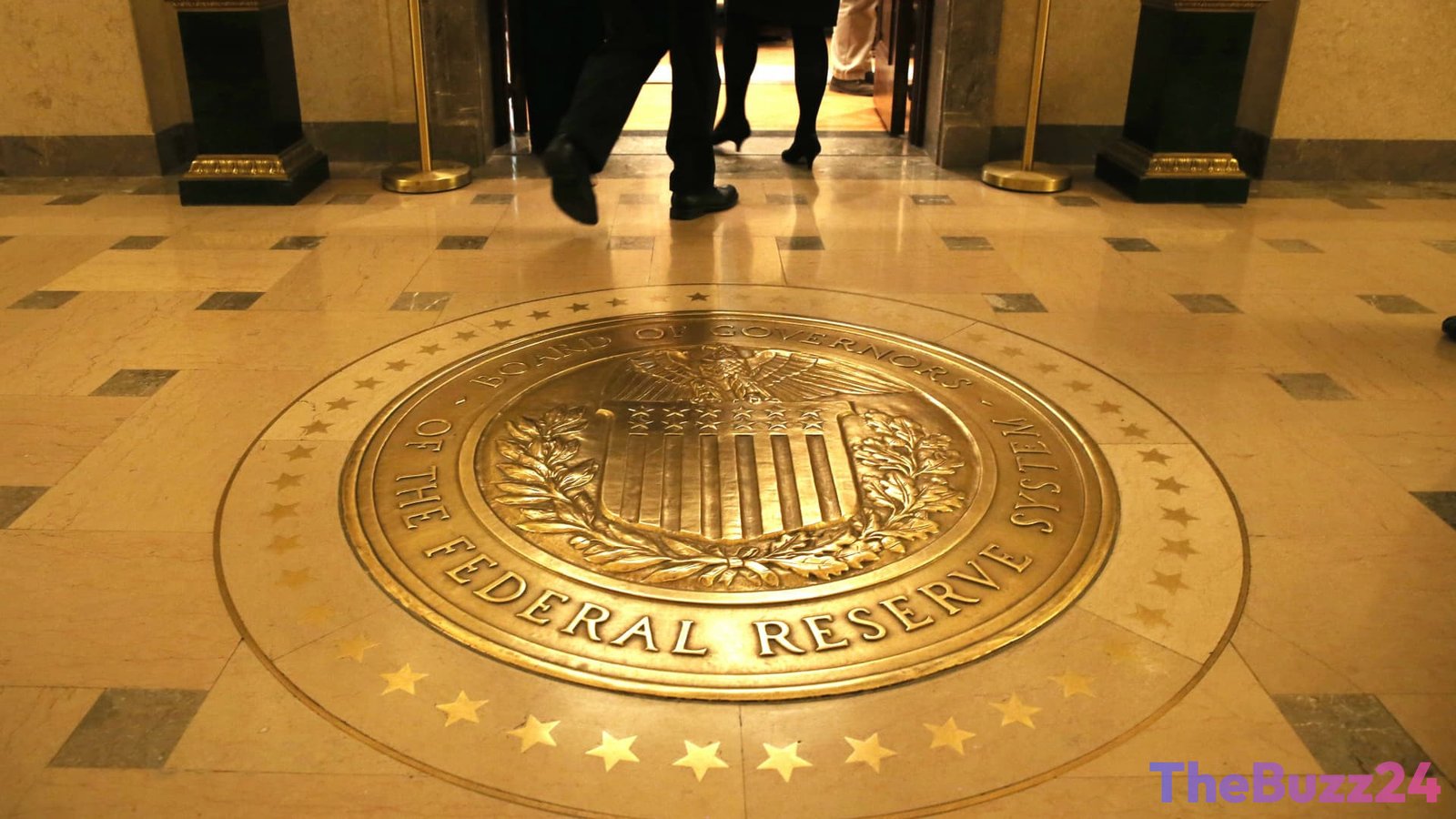
Bond yields across the United States benchmark curve held virtually unchanged on Wednesday morning as market participants adopted a cautious, wait-and-see stance ahead of vital consumer price metrics. Investors are closely monitoring the upcoming inflation report, which is expected to provide key insights into macroeconomic conditions and heavily influence the Federal Reserve’s rate trajectory during its September policy decision.
The benchmark 10-year Treasury note yield remained flat at 4.682%, while the policy-sensitive 2-year yield hovered near 4.212%. Meanwhile, the longer-duration 30-year Treasury bond yield traded steadily at 5.231%. Market consensus points toward a modest 0.1% month-over-month increase in the July Consumer Price Index (CPI), translating to an annualized inflation rate of 3.4%. Core CPI, which excludes volatile food and energy components, is projected to show a 0.2% monthly rise and a 2.5% year-over-year pace.
With central bank officials taking a reprieve from policy decisions through August, this week’s inflation figures carry heightened significance. Recent deliberations within the Fed revealed split opinions among officials, with dissenting voices previously pushing for higher interest rates to combat persistent price pressures. A hotter-than-expected inflation reading could push long-term yields higher, whereas a subdued reading would reinforce expectations that pricing pressures are gradually cooling.
In addition to the consumer price report, traders are preparing for Thursday’s wholesale inflation update via the Producer Price Index (PPI), following a softer reading in the prior month. Taken together, these upcoming economic releases will establish the policy backdrop as fixed-income markets navigate fiscal deficit expansions and evolving monetary policy expectations.
Key Takeaways
- U.S. Treasury yields remained virtually unchanged across all major maturities ahead of the July Consumer Price Index report.
- Economists project headline CPI to increase by 0.1% month-over-month, with core inflation expected to stand at 2.5% year-over-year.
- The upcoming inflation metrics will serve as a crucial benchmark for the Federal Reserve's interest rate strategy at its September meeting.
Editor’s Analysis & Impact
The current consolidation in Treasury yields underscores the delicate balance the Federal Reserve faces between curbing inflation and sustaining economic growth. A mild CPI print will solidify expectations of potential rate cuts, offering temporary relief to both fixed-income and equity markets. However, structural headwinds—such as persistent fiscal deficits and substantial sovereign debt issuance—continue to put upward pressure on long-term borrowing costs. If core inflation demonstrates stickiness above the target rate, market expectations for monetary easing will be swiftly recalibrated, likely driving long-end yields higher. Fixed-income investors should prepare for heightened market volatility as the economic data rolls out.
Frequently Asked Questions
Q: Why are Treasury yields holding flat ahead of the economic report?
A: Investors typically refrain from making major portfolio adjustments immediately prior to high-impact economic releases like the CPI, as unexpected data can trigger sharp market repricings.
Q: Why is the July CPI report critical for the Federal Reserve?
A: Because the Fed does not meet in August, the July CPI report provides vital data on inflation trends that will directly guide policymakers during their upcoming September interest rate meeting.
Q: How do bond yields move relative to bond prices?
A: Bond yields and bond prices move in opposite directions; when demand for Treasury bonds increases and prices rise, the yield falls, and vice versa.
AI Disclosure: This article is based on verified data and official reports. Our Team and AI have cross-referenced every financial detail with primary sources to ensure total accuracy.
More from this Category