White House Pauses EPA Refrigerant Mandates to Ease Grocery Costs
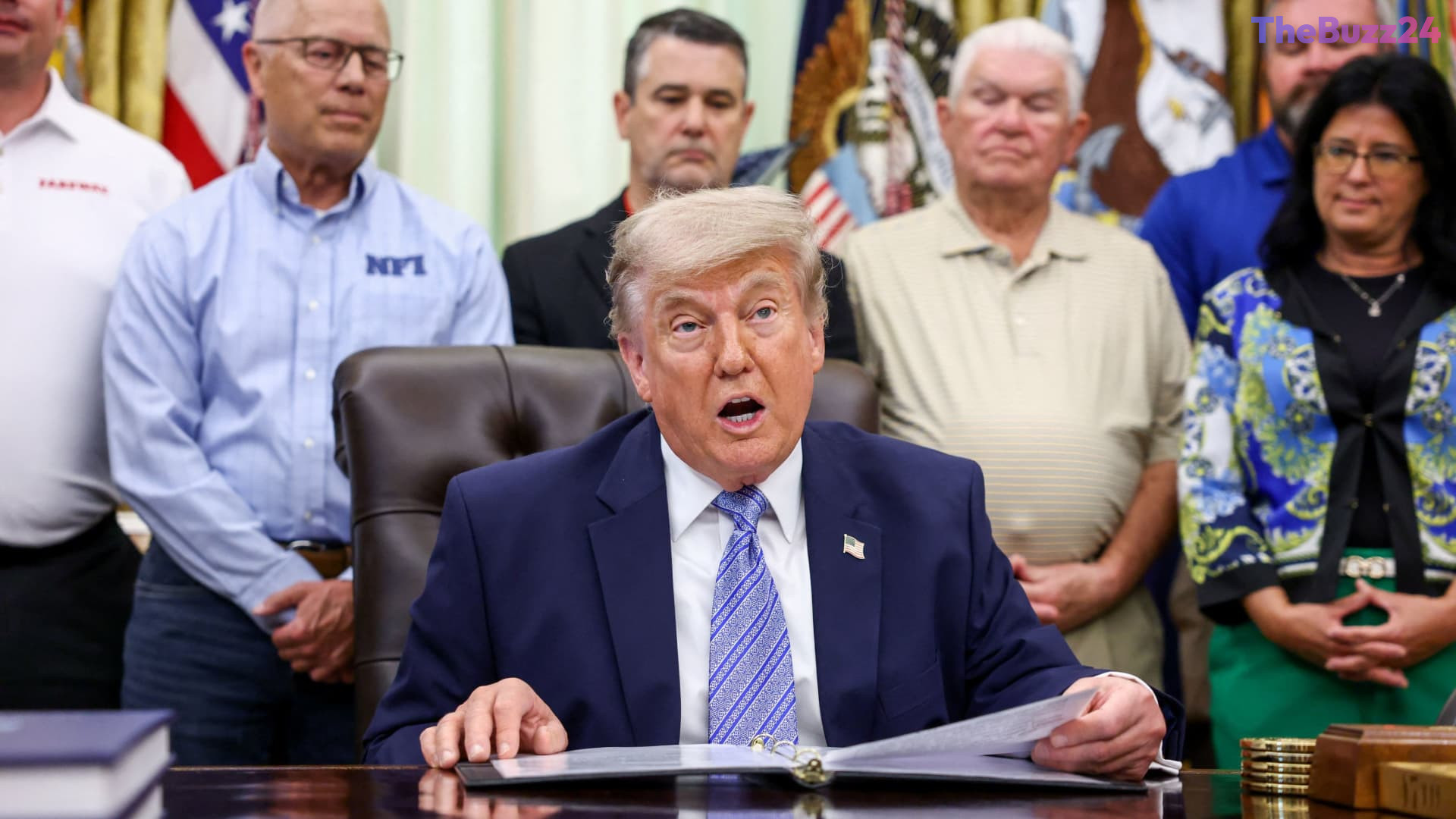
The current administration has officially moved to delay two Environmental Protection Agency (EPA) regulations originally implemented during the Biden era. These specific rules were designed to curb hydrofluorocarbon (HFC) emissions and enforce strict leak prevention protocols in commercial refrigeration systems. By pausing these mandates, the White House aims to alleviate the financial burden on businesses, estimating that the move will save American families and companies approximately $2.4 billion in compliance and operational expenses.
EPA Administrator Lee Zeldin emphasized that the decision grants businesses greater flexibility to choose refrigeration technologies that align with their operational needs. The administration argues that by reducing the necessity for expensive infrastructure upgrades, these savings will eventually be passed down to consumers through lower grocery prices. Prior to this pause, industries ranging from semiconductor manufacturing to food distribution were facing significant capital expenditures to comply with the new environmental standards.
However, the policy shift has sparked debate regarding its actual impact on consumer pricing. While industry leaders like Kroger CEO Greg Foran have expressed a commitment to fair pricing, there is no formal mechanism in place to ensure that the regulatory savings are directly reflected at the checkout counter. Economists note that grocery prices are dictated by a wide array of variables, including labor, logistics, and global commodity markets, making the link between refrigeration compliance and shelf prices uncertain.
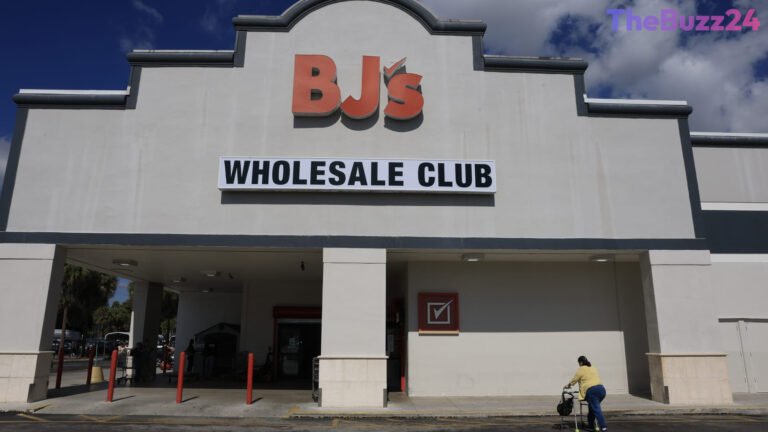
Furthermore, the long-term impact of this delay remains complex, as many major retailers—including Walmart and Costco—have already invested heavily in transitioning to natural refrigerants. While the pause offers immediate relief for smaller, independent grocers who may have struggled with the upfront costs of the transition, the broader industry trend toward sustainable cooling technology appears to be well underway regardless of federal mandates.
Key Takeaways
- The administration has delayed EPA rules on HFC emissions and refrigeration leak prevention to reduce business compliance costs.
- The White House estimates the regulatory pause will save businesses and consumers approximately $2.4 billion.
- There is no legal requirement for retailers to pass these savings on to consumers, leading to skepticism about the impact on grocery prices.
Editor’s Analysis & Impact
This policy shift represents a strategic attempt by the administration to address inflation by reducing the regulatory burden on the retail and food supply sectors. By framing the delay as a cost-saving measure for households, the administration is navigating the delicate balance between climate policy and immediate economic relief. However, the market impact is likely to be uneven. Large retailers have already integrated sustainable refrigeration into their long-term capital expenditure plans, meaning the delay may primarily benefit smaller, independent grocers. From a broader perspective, this move highlights the ongoing tension between environmental, social, and governance (ESG) mandates and the practical realities of operational overhead. Whether this results in tangible price relief for consumers remains doubtful, as refrigeration costs are a relatively small component of the total retail price index compared to labor and supply chain logistics.
Frequently Asked Questions
Q: Why did the administration delay the EPA refrigerant rules?
A: The administration cited the need to reduce compliance and operational costs for businesses, estimating a total savings of $2.4 billion that could potentially lower grocery prices for consumers.
Q: Are retailers required to lower prices because of this delay?
A: No, there is no formal mechanism or mandate requiring retailers to pass the savings from the regulatory delay on to shoppers.
AI Disclosure: This article is based on verified data and official reports. Our Team and AI have cross-referenced every financial detail with primary sources to ensure total accuracy.
More from this Category