Trump Administration Temporarily Eases Diesel Regulations Amid Soaring Fuel Costs
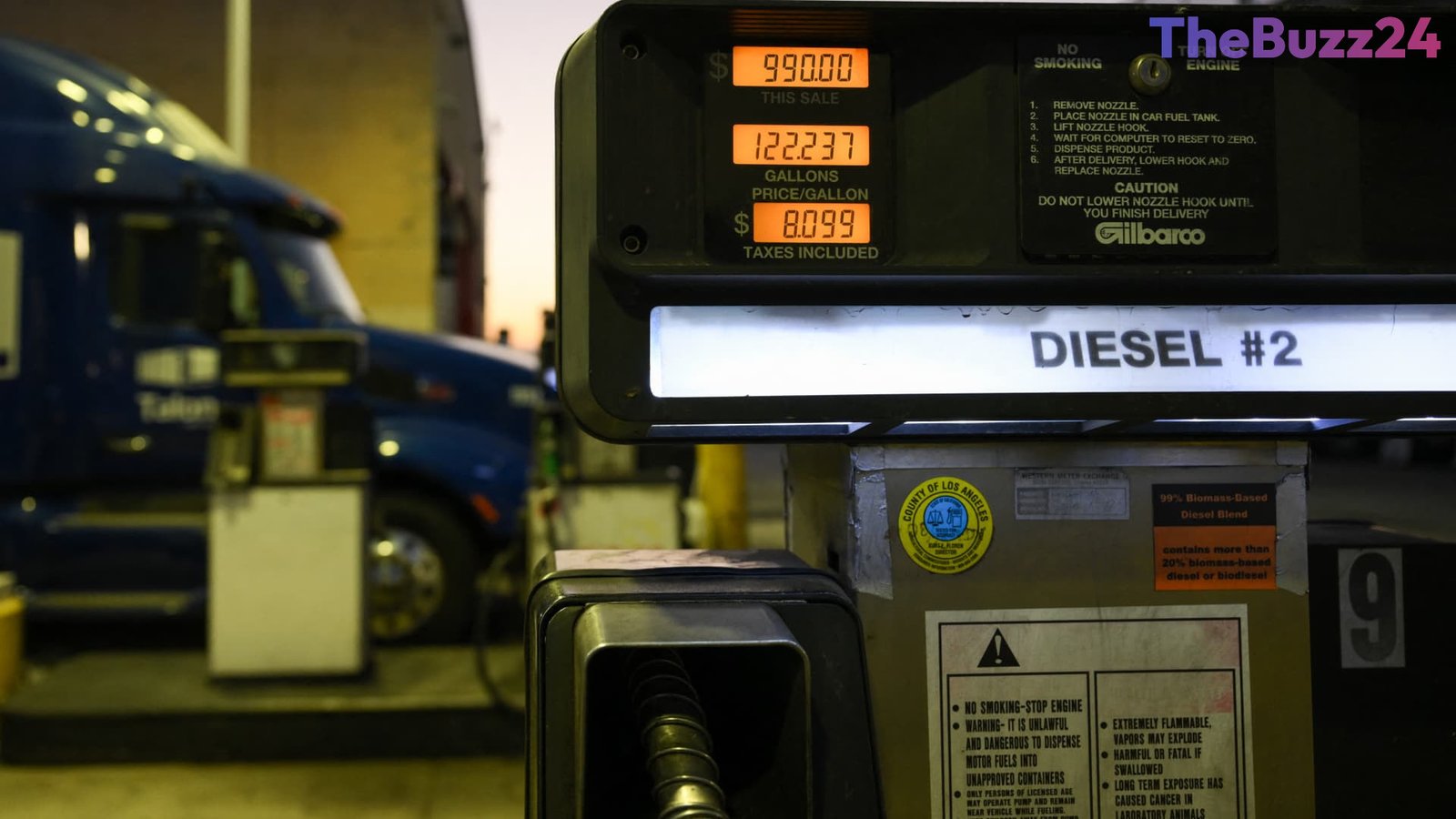
In a move aimed at alleviating the burden of record-high fuel prices, President Donald Trump authorized the temporary broader use of red-dyed diesel, a fuel typically reserved for off-road applications like farming and construction. This executive action comes as the U.S. national average price of diesel surged past $6 a gallon in September, marking an unprecedented peak.
The executive order, signed on a Monday evening, permits truckers and farmers to utilize this tax-exempt diesel on public highways through the end of the year. Red-dyed diesel is usually exempt from the 24.4 cent-per-gallon federal excise tax applied to highway transportation fuel. While using this fuel on public roads is generally illegal and can incur significant fines for tax evasion, several states had already begun relaxing these restrictions to help consumers cope with escalating costs. The White House indicated that this measure could save truckers over $100 per fill-up.
Beyond the immediate allowance, the order also directed the Treasury Secretary, in consultation with relevant federal agencies, to defer the collection of the federal excise tax on highway diesel until the end of 2026, without interest or penalties. Furthermore, the Treasury was tasked with exploring avenues to potentially eliminate the obligation to pay these deferred taxes altogether. The Trump administration attributed the sharp rise in diesel prices and household expenses to tight global supply, exacerbated by international conflicts, and insufficient domestic refining capacity. In a related effort to stabilize global energy markets, the Group of Seven nations also agreed to release 100 million barrels from their diesel and crude reserves, following pressure from the administration.
Key Takeaways
- President Trump issued an executive order allowing the temporary use of tax-exempt red-dyed diesel on public highways to combat record-high fuel prices.
- The measure includes a deferral of federal excise taxes on highway diesel through 2026, with potential for full elimination, aiming to save truckers over $100 per fill-up.
- The administration cited global supply shortages, international conflicts, and refining capacity issues as primary drivers for the unprecedented surge in diesel costs.
Editor’s Analysis & Impact
This executive action by the Trump administration represents a significant, albeit temporary, intervention in the fuel market. By allowing the broader use of tax-exempt diesel, the immediate impact is a reduction in operational costs for industries heavily reliant on diesel, such as trucking and agriculture. This could translate to marginal relief for consumers as transportation costs are a key component of goods pricing. However, the long-term implications are complex. While providing short-term relief, it doesn’t address the fundamental issues of global supply constraints or refining capacity. The deferral of taxes, and potential elimination, could create fiscal challenges down the line. The move also highlights the political sensitivity of fuel prices, especially ahead of mid-term elections, and the willingness of administrations to use executive power to influence market dynamics.
Frequently Asked Questions
Q: What is red-dyed diesel and why is it cheaper?
A: Red-dyed diesel is a type of diesel fuel that is exempt from federal excise taxes because it is intended for off-road use in vehicles like farm equipment and construction machinery. It is dyed red to distinguish it from tax-paid highway diesel. Its cheaper price stems from this tax exemption, which is typically 24.4 cents per gallon.
Q: How long will the temporary allowance for red-dyed diesel on highways last?
A: The executive order temporarily allows the use of red-dyed diesel on public highways through the end of the current year. Additionally, the deferral of federal excise taxes on highway diesel is extended until the end of 2026, with the possibility of these deferred taxes being eliminated entirely.
Q: What were the main reasons cited for the spike in diesel prices?
A: The Trump administration attributed the surge in diesel prices to a combination of factors, including tight global supply, disruptions caused by international conflicts, and a lack of sufficient refining capacity within the United States. These factors collectively pushed the national average price of diesel to record highs.
AI Disclosure: This article is based on verified data and official reports. Our Team and AI have cross-referenced every financial detail with primary sources to ensure total accuracy.
More from this Category