Trump Challenges NATO Unity Amidst Defense Spending Disputes in Ankara
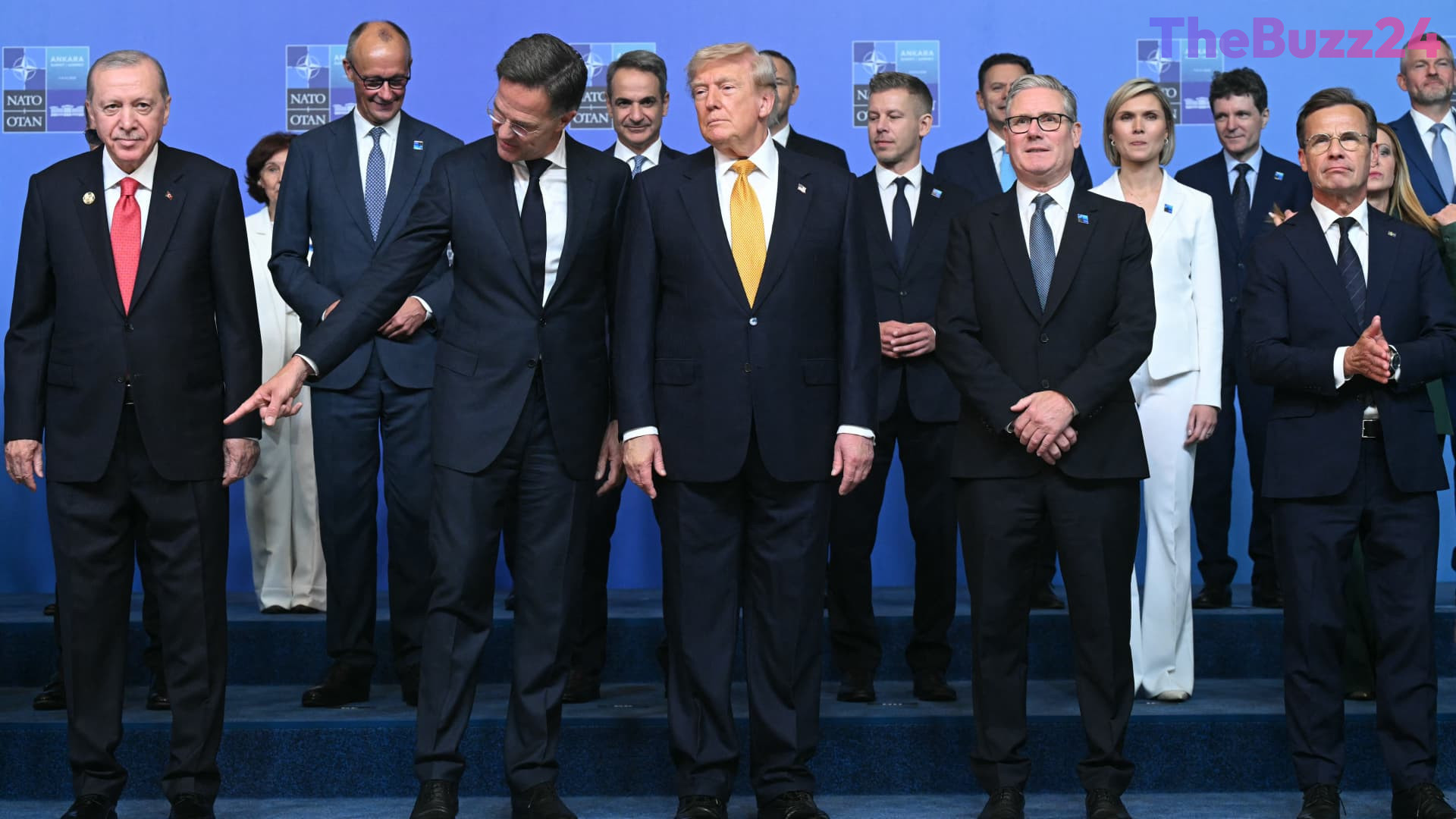
President Donald Trump has cast a shadow over the latest NATO summit in Ankara, openly criticizing several member nations for failing to meet defense spending benchmarks. His remarks have highlighted significant internal friction within the alliance, complicating efforts by leadership to project a unified stance against global security threats, particularly regarding the ongoing conflict in Ukraine.
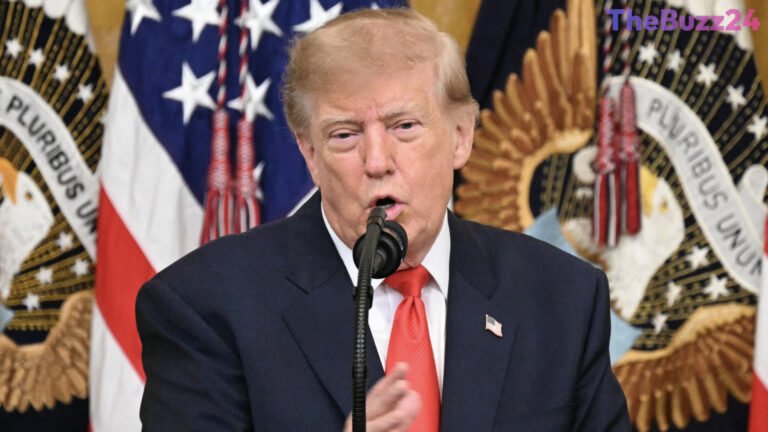
During the summit, Trump specifically singled out Spain, labeling the nation a poor partner for its failure to commit to the alliance’s target of allocating 5% of its GDP to defense by 2035. The President went as far as to suggest a cessation of trade and diplomatic visits with Spain, signaling a shift toward more aggressive bilateral pressure tactics. Furthermore, Trump reignited past controversy by reiterating his interest in the United States acquiring Greenland, a territory currently under Danish sovereignty.
Despite the public discord, NATO Secretary General Mark Rutte maintained a focus on the alliance’s strategic objectives, emphasizing that the collective commitment to defense spending remains a critical deterrent against Russian aggression. Rutte asserted that the security of the Atlantic and Arctic regions remains a vital U.S. interest, reinforcing the necessity of the alliance. As leaders continue to deliberate on long-term support for Ukraine and the containment of Russia, the tension between Trump’s transactional approach to foreign policy and the alliance’s traditional collective defense model remains a central point of contention.
Key Takeaways
- President Trump publicly criticized Spain for insufficient defense spending, threatening trade consequences.
- The NATO summit in Ankara is focused on long-term strategies regarding the war in Ukraine and the threat posed by Russia.
- Secretary General Mark Rutte emphasized that despite internal political friction, the U.S. remains committed to the collective security of the alliance.
Editor’s Analysis & Impact
The current friction within NATO reflects a fundamental shift in the transatlantic relationship, moving from a post-Cold War consensus toward a more transactional, ‘America First’ framework. By tying trade relations to defense spending targets, the U.S. is effectively weaponizing economic policy to force structural changes within the alliance. This approach creates significant uncertainty for European partners who rely on the U.S. security umbrella but are increasingly wary of sudden policy pivots. The long-term implication is a potential ‘two-speed’ NATO, where members who meet the 5% threshold gain preferential status, while others face isolation. This volatility may embolden adversaries like Russia, who view internal divisions as a strategic opening to test the alliance’s resolve and collective defense mechanisms.
Frequently Asked Questions
Q: What is the new defense spending target for NATO members?
A: NATO members have agreed to a target of spending 5% of their national gross domestic product on defense by 2035.
Q: Why is the U.S. interested in Greenland according to recent statements?
A: President Trump has periodically expressed a desire for the United States to acquire Greenland, a territory currently held by Denmark, as part of his broader foreign policy interests.
AI Disclosure: This article is based on verified data and official reports. Our Team and AI have cross-referenced every financial detail with primary sources to ensure total accuracy.
More from this Category