Trump Defends Move to Ease Russian Diesel Restrictions Amid Mounting Bipartisan Pushback
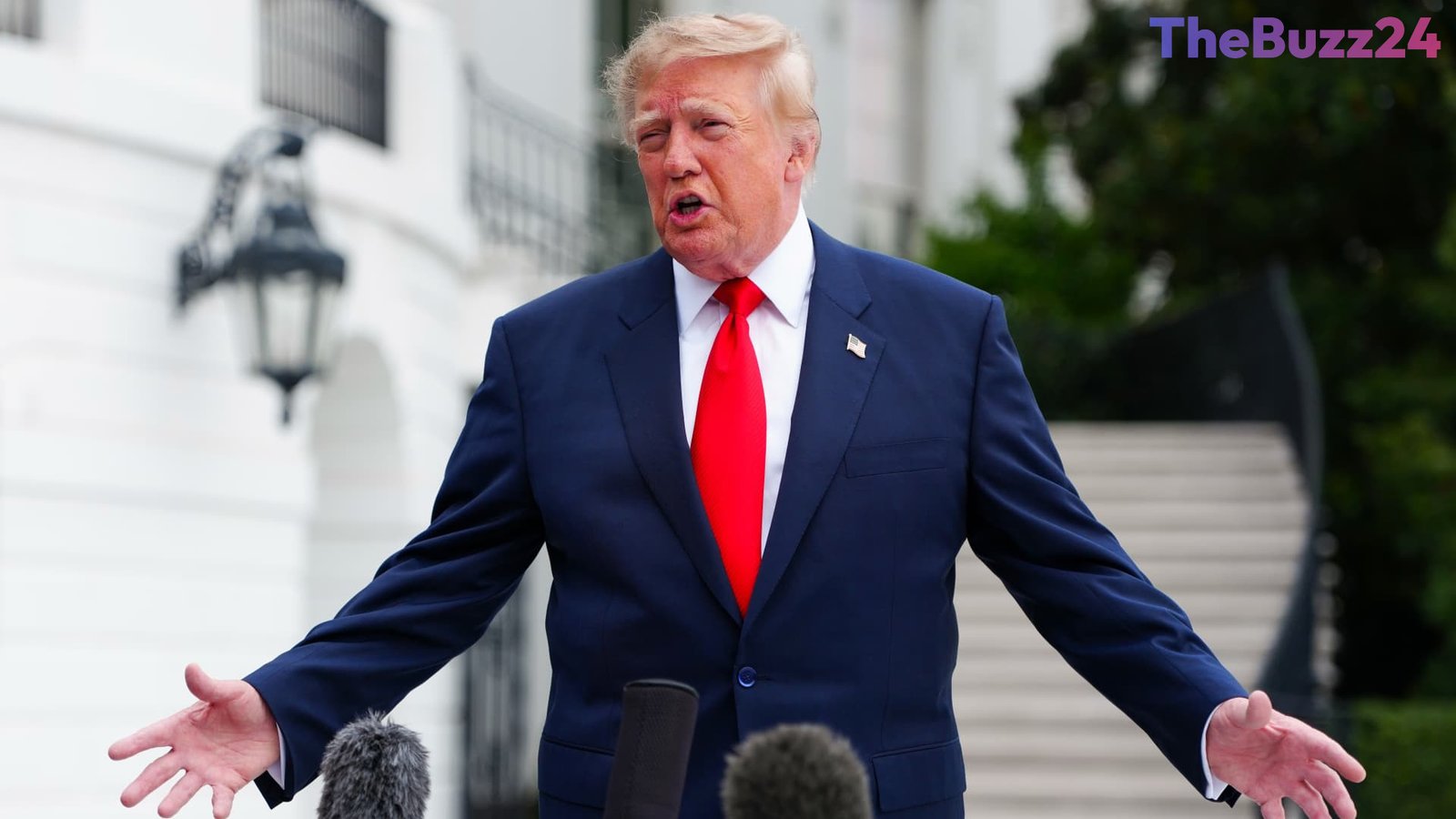
President Donald Trump has mounted a staunch defense of his administration’s decision to temporarily roll back restrictions on Russian diesel exports, brushing off mounting criticism from both sides of the political aisle. Taking to social media on Monday, Trump asserted that the measure directly serves domestic economic interests, framing the six-month waiver as an ‘America First’ initiative aimed at stabilizing volatile domestic fuel expenses.
The regulatory shift allows limited shipments of Russian diesel fuel into the United States and broader global markets for half a year. The White House has argued that increasing the available supply will mitigate soaring fuel costs currently straining commercial transport and agricultural sectors. To counter critics, Trump pointed to European nations, noting that members of the European Union have poured billions into Russian energy procurement since the onset of the conflict in Ukraine, despite concurrent commitments to gradually decouple from Moscow’s energy infrastructure.
Despite the administration’s economic rationale, the policy has triggered widespread alarm on Capitol Hill. A bipartisan coalition of lawmakers, including prominent Republican members of Congress, issued statements warning that easing energy prohibitions hands the Kremlin a critical financial lifeline. Critics argue that generating fresh revenue for Moscow undermines Western sanctions regimes and directly subsidizes ongoing Russian military operations against Ukraine. Senior foreign affairs figures in Congress emphasized that price relief should not come at the expense of national security and international commitments.
The international reaction has been similarly sharp, with Ukrainian President Volodymyr Zelenskyy warning that relaxing energy sanctions effectively bolsters Moscow’s strategic leverage. Meanwhile, energy market analysts have expressed skepticism regarding the long-term effectiveness of the waiver, noting that structural supply constraints and geopolitical friction could limit any substantial drop in retail diesel prices at American pumps.
Key Takeaways
- President Trump defended a six-month waiver permitting limited Russian diesel exports, citing the need to lower domestic fuel prices.
- Bipartisan lawmakers and international leaders strongly criticized the decision, arguing it provides financial relief to Moscow during its war in Ukraine.
- Energy analysts caution that the temporary measure may offer only marginal relief to consumer and commercial fuel costs.
Editor’s Analysis & Impact
The decision to ease restrictions on Russian diesel illustrates the persistent tension between immediate domestic economic pressures and long-term geopolitical strategies. High diesel prices directly amplify inflation across logistics, manufacturing, and consumer goods, making fuel costs a sensitive political liability. However, breaching the transatlantic consensus on Russian energy sanctions risks eroding diplomatic solidarity and could encourage other trade partners to bypass restrictions. Moreover, because the market relies on complex refining and distribution chains, importing limited quantities may fail to deliver the significant price relief the administration promises, leaving the White House vulnerable to accusations of compromising strategic principles for negligible economic gain.
Frequently Asked Questions
Q: What changes did the administration make regarding Russian diesel?
A: The administration introduced a temporary six-month waiver easing sanctions to allow limited Russian diesel exports to enter the United States and global energy markets.
Q: Why are lawmakers in Congress opposing the decision?
A: Lawmakers from both parties argue that permitting Russian energy sales provides vital revenue to Moscow, effectively undermining economic pressure campaigns intended to stop the war in Ukraine.
Q: Will this move significantly lower diesel prices?
A: While intended to expand supply and ease costs, several energy economists warn that the six-month exemption may have only a modest effect on retail fuel prices due to ongoing supply chain bottlenecks.
AI Disclosure: This article is based on verified data and official reports. Our Team and AI have cross-referenced every financial detail with primary sources to ensure total accuracy.
More from this Category