Trump Defends Potential Media Bans, Labeling Targeted Outlets as ‘Fake News’
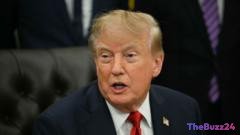
Former President Donald Trump has once again escalated his rhetoric against the media, defending potential restrictions or bans on specific news organizations by labeling them as “fake news.” The statements have reignited intense debates surrounding press freedom and the constitutional role of the media in covering the presidency. While the specifics of how such a ban would be implemented remain vague, the comments underscore a long-standing tension between Trump and mainstream journalistic institutions.
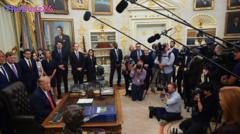
The logistics of enforcing a ban on selected media outlets present significant legal and practical challenges. It remains highly uncertain what a formal restriction would look like in practice, particularly whether journalists from blacklisted organizations would be barred from entering the White House grounds or attending official press briefings. Historically, attempts to revoke press credentials have faced swift legal challenges grounded in the First Amendment, which protects freedom of speech and of the press.
Critics and media advocates have quickly condemned the remarks, warning that restricting press access undermines democratic transparency and sets a dangerous precedent. Conversely, supporters of the stance argue that certain media organizations exhibit systemic bias and that administration officials should have the discretion to choose which outlets they engage with. This ongoing conflict highlights a deeply polarized media landscape where the boundaries of executive authority over press relations continue to be tested.
Key Takeaways
- Donald Trump has defended the idea of banning certain news outlets, characterizing them as 'fake news.'
- The practical and legal implications of such a ban, including whether journalists would be barred from White House grounds, remain highly unclear.
- Media advocates warn that restricting press access threatens First Amendment protections and democratic transparency.
Editor’s Analysis & Impact
The ongoing friction between Donald Trump and the press highlights a broader systemic shift in political communication. By bypassing traditional media channels and threatening access restrictions, political figures can directly appeal to their base while casting doubt on the credibility of mainstream journalism. From a legal standpoint, any formal attempt to bar specific outlets from public briefings is likely to trigger immediate constitutional challenges under the First Amendment, which historically protects equal access for journalists. This dynamic not only deepens public distrust in media institutions but also forces news organizations to re-evaluate their reporting strategies and legal defenses in an increasingly hostile political environment.
Frequently Asked Questions
Q: Can a president legally ban specific news outlets from the White House?
A: While administrations have historically attempted to restrict access or revoke credentials for specific journalists, such actions face severe legal hurdles. Courts have previously ruled that the First Amendment prevents the government from arbitrarily denying access based on content or viewpoint.
Q: What does a media ban typically entail?
A: A media ban could range from denying press credentials for White House briefings to restricting journalists from entering government grounds or participating in official press pools.
Q: How have media organizations responded to these threats?
A: Press freedom groups and news organizations generally condemn such threats, emphasizing that open access to government officials is essential for a functioning democracy and public accountability.
AI Disclosure: This article is based on verified data and official reports. Our Team and AI have cross-referenced every financial detail with primary sources to ensure total accuracy.
More from this Category