Trump Demands Energy Giants Slash Gas Prices Following Windfall Profits from Iran Conflict
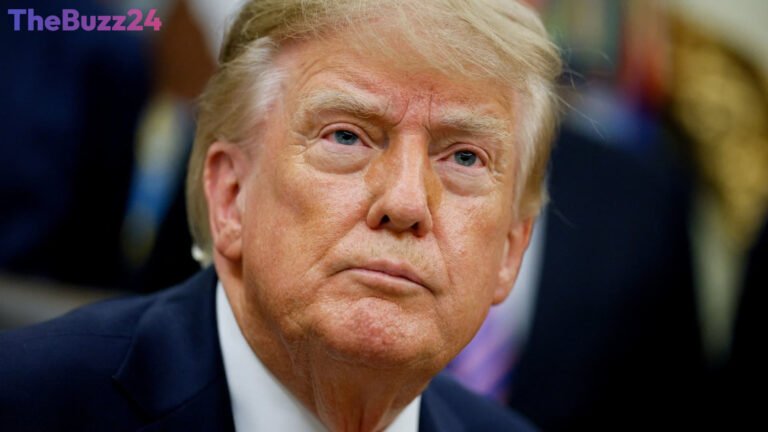
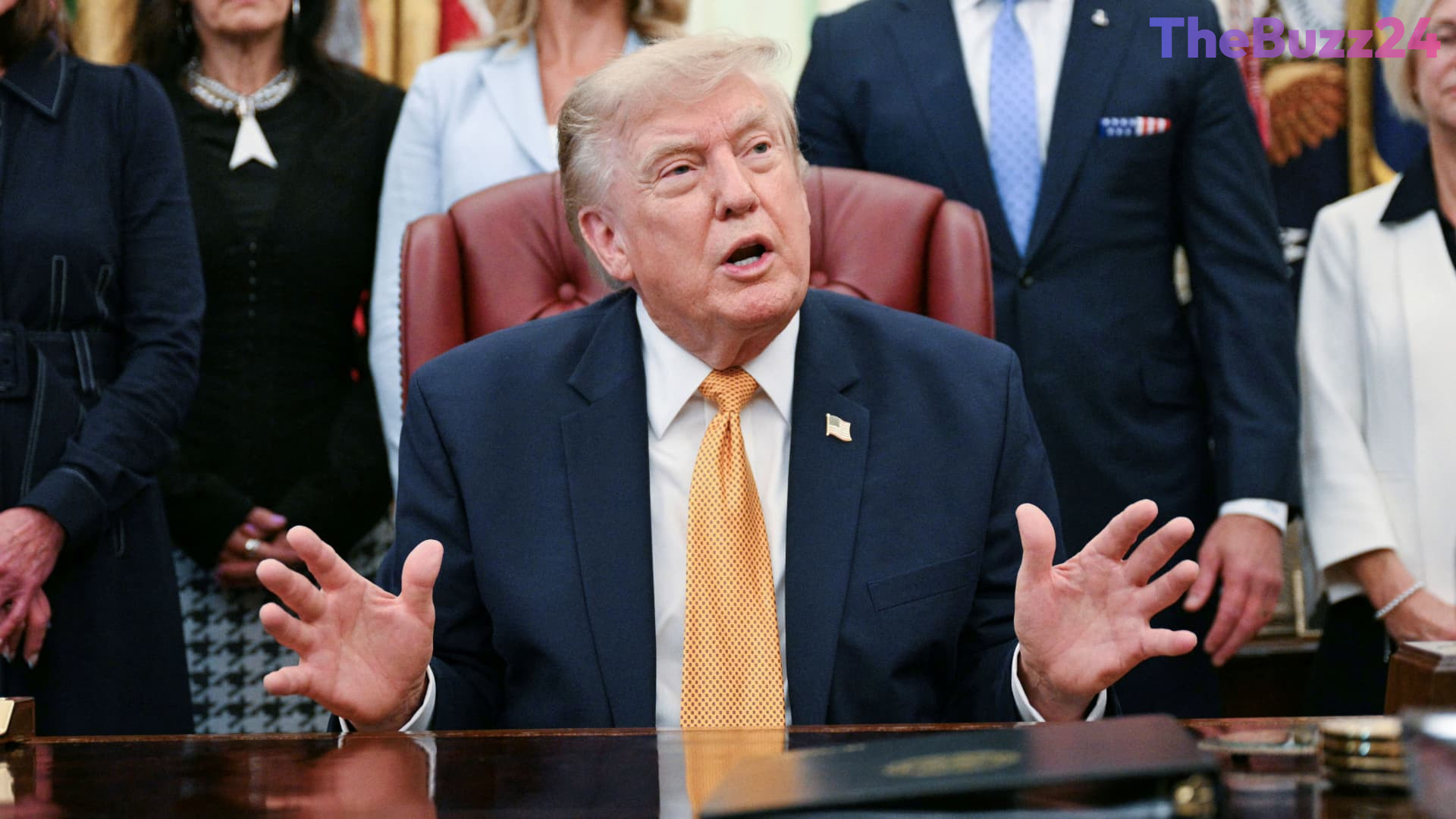
President Donald Trump voiced strong opposition to the record-setting profits generated by major American energy corporations during the ongoing military conflict involving Iran. Speaking from the White House, Trump singled out ExxonMobil and Chevron, asserting that both industry giants had accumulated excessive earnings as a direct consequence of global crude oil shortages. He urged the companies to lower consumer fuel prices and return a portion of their profits to the public.
The President’s comments followed massive quarterly financial disclosures from both energy giants. Chevron reported second-quarter earnings of $12 billion, marking an almost fourfold increase compared to $2.5 billion in the same period last year. Meanwhile, ExxonMobil saw its quarterly profits more than double to $14.5 billion, up from $7.1 billion a year prior. These financial surges were primarily propelled by climbing energy prices triggered by regional instability in the Middle East.
Since joint U.S. and Israeli operations began in late February, retaliatory threats to shipping routes near the Strait of Hormuz have severely disrupted global supply chains. Domestic crude oil futures averaged roughly $92 per barrel during the second quarter, marking a 27% increase from the first quarter. The fallout has directly impacted American drivers, with average pump prices rising nearly 40% to approximately $4.10 per gallon across the country.
Following the White House remarks, stock prices for both Chevron and ExxonMobil experienced downward pressure. Markets were already reacting to fluctuations in crude oil prices as investors monitored potential diplomatic talks between Washington and Tehran, which could ease supply constraints and lower broader market volatility.
Key Takeaways
- President Donald Trump publicly criticized ExxonMobil and Chevron over surging profits during the Iran conflict, calling for reduced retail fuel prices.
- Chevron and ExxonMobil reported second-quarter profits of $12 billion and $14.5 billion respectively, boosted by elevated global oil prices.
- Retail gasoline prices across the United States surged by nearly 40% to $4.10 per gallon as regional supply disruptions pressed markets.
Editor’s Analysis & Impact
The public confrontation between the administration and major oil producers highlights the delicate balance between geopolitical friction and domestic economic pressure. As rising fuel costs directly fuel broader inflation, political leaders face mounting pressure to address consumer burdens. However, calls to suppress retail prices or redistribute corporate gains conflict with standard free-market dynamics in the energy sector. While ExxonMobil and Chevron benefited significantly from global supply squeezes caused by Strait of Hormuz tensions, long-term investor sentiment remains tied to geopolitical stability. If diplomatic efforts between the U.S. and Iran gain traction, oil prices could retreat naturally, dampening oil major revenues and alleviating consumer strain without direct regulatory intervention.
Frequently Asked Questions
Q: Why are oil companies seeing record profits?
A: Oil majors like ExxonMobil and Chevron experienced massive earnings boosts due to sharp increases in crude prices triggered by military conflict with Iran and resulting supply disruptions near key maritime trade routes.
Q: What did President Trump demand from energy companies?
A: President Trump urged energy giants to lower consumer fuel prices at the pump and return a portion of their war-driven earnings back to the public.
Q: How significantly have gasoline prices increased?
A: Nationwide gasoline prices rose by nearly 40%, escalating from under $3.00 per gallon before the military escalation to approximately $4.10 per gallon.
AI Disclosure: This article is based on verified data and official reports. Our Team and AI have cross-referenced every financial detail with primary sources to ensure total accuracy.
More from this Category