Trump Excludes Nvidia Espionage Scandal from China Summit Agenda as Elon Musk Joins Strategic Delegation
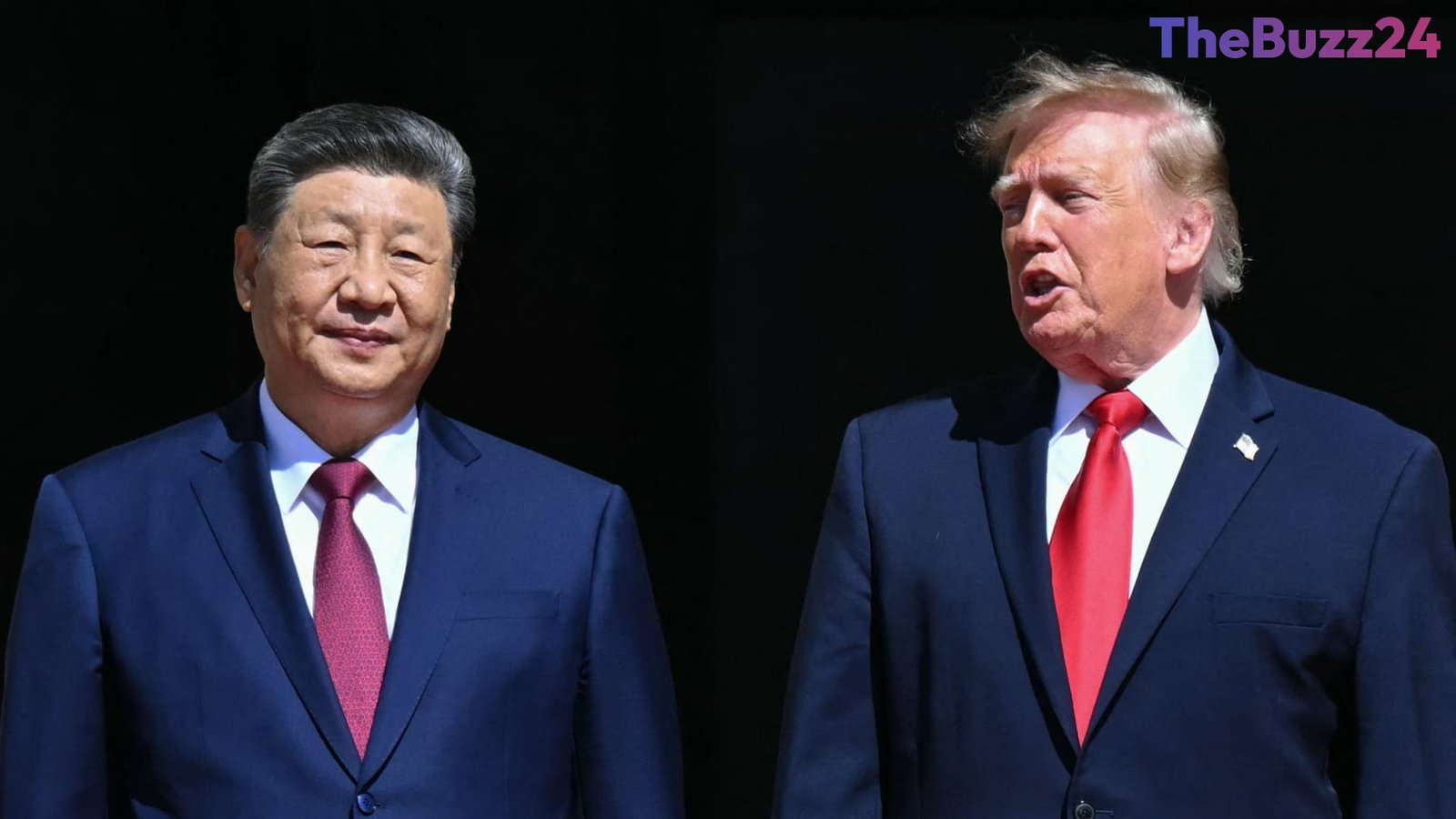
President Donald Trump will not bring up the national security scandal involving former Nvidia CEO Jensen Huang during his upcoming bilateral discussions with Chinese President Xi Jinping. Senior administration officials confirmed that the presidential visit to Shenzhen for the Asia-Pacific Economic Cooperation (APEC) summit will focus primarily on economic matters, specifically the execution of existing trade agreements, rather than ongoing domestic intelligence investigations. The summit is also expected to feature a high-profile trilateral meeting involving President Trump, President Xi, and Russian President Vladimir Putin.
The decision to omit the Nvidia controversy comes amid severe fallout for the semiconductor giant following the sudden resignation of its chief executive, Jensen Huang. The departure followed reports detailing a personal relationship with Alice Huang, an executive at Singapore-based Megaspeed. U.S. authorities are scrutinizing Megaspeed over allegations that the firm illegally funneled billions of dollars worth of restricted Nvidia microchips into China in violation of American export controls. While Chinese officials have dismissed the espionage and diversion allegations as groundless, the case has sparked intense debate over the effectiveness of current trade restrictions on advanced artificial intelligence technology.
Adding significant weight to the diplomatic trip, Tesla and SpaceX CEO Elon Musk will accompany the U.S. delegation to Shenzhen. Administration representatives emphasized that Musk’s extensive commercial engagement in China and his broader role in strategic technology sectors make him a valuable advisor for the summit. Rather than opening active national security cases to foreign negotiation, administration officials reiterated that trade compliance and economic cooperation remain the centerpiece of the bilateral meeting.
Key Takeaways
- U.S. officials confirmed President Trump will not raise the Nvidia spy allegations during bilateral talks with Chinese President Xi Jinping in Shenzhen.
- Former Nvidia CEO Jensen Huang recently resigned amid allegations that restricted chips were illegally diverted to China via a cloud-computing firm.
- Elon Musk will join the U.S. delegation to the APEC summit as an advisor, reflecting his substantial commercial interests in the U.S.-China dynamic.
Editor’s Analysis & Impact
The decision to separate ongoing national security investigations from diplomatic trade discussions underscores a tactical approach to U.S.-China relations. By focusing on trade agreement implementation rather than active export control investigations, the administration aims to stabilize economic interactions while maintaining enforcement behind closed doors in Washington. However, the controversy surrounding Nvidia highlights the growing vulnerability of global tech supply chains and the immense pressure on regulatory bodies to enforce advanced semiconductor restrictions. Meanwhile, bringing Elon Musk into official diplomatic proceedings signals a blending of corporate enterprise and international statecraft, acknowledging that major commercial figures play a pivotal role in maintaining economic balance between the world’s two largest economies.
Frequently Asked Questions
Q: Why resigned former Nvidia CEO Jensen Huang?
A: Jensen Huang resigned following reports regarding his relationship with an executive at Megaspeed, a company under investigation for potentially helping route restricted Nvidia microchips to China in violation of U.S. export rules.
Q: What is the primary focus of President Trump's trip to Shenzhen?
A: The primary focus on the economic side is discussing the implementation of trade agreements with Chinese leadership during the APEC summit, along with hosting a trilateral summit involving China and Russia.
Q: Why is Elon Musk attending the summit with the U.S. delegation?
A: Elon Musk is attending as an advisor to the president, leveraging his significant business ties with China and his prominent position in key strategic industries relevant to U.S. interests.
AI Disclosure: This article is based on verified data and official reports. Our Team and AI have cross-referenced every financial detail with primary sources to ensure total accuracy.
More from this Category