Trump Halts Planned Military Strikes on Iran Citing Progress on Potential Deal
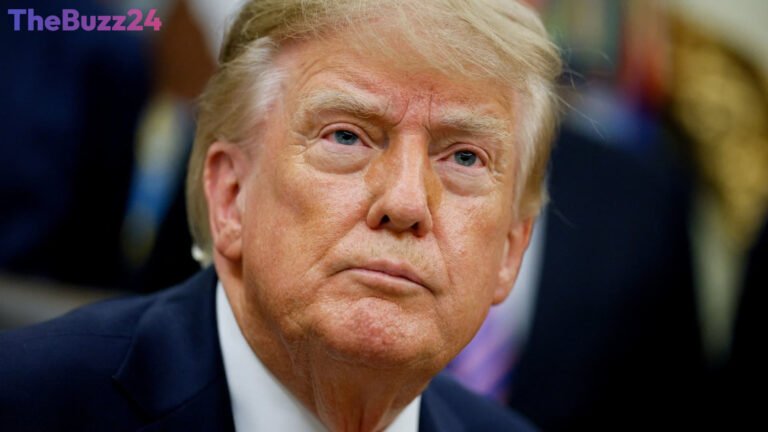
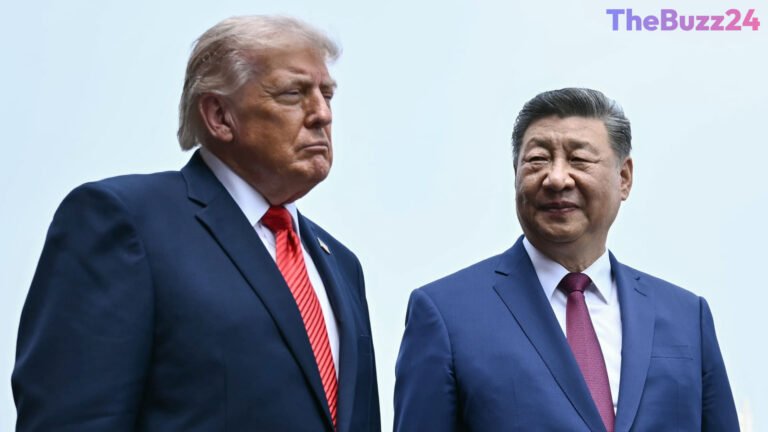
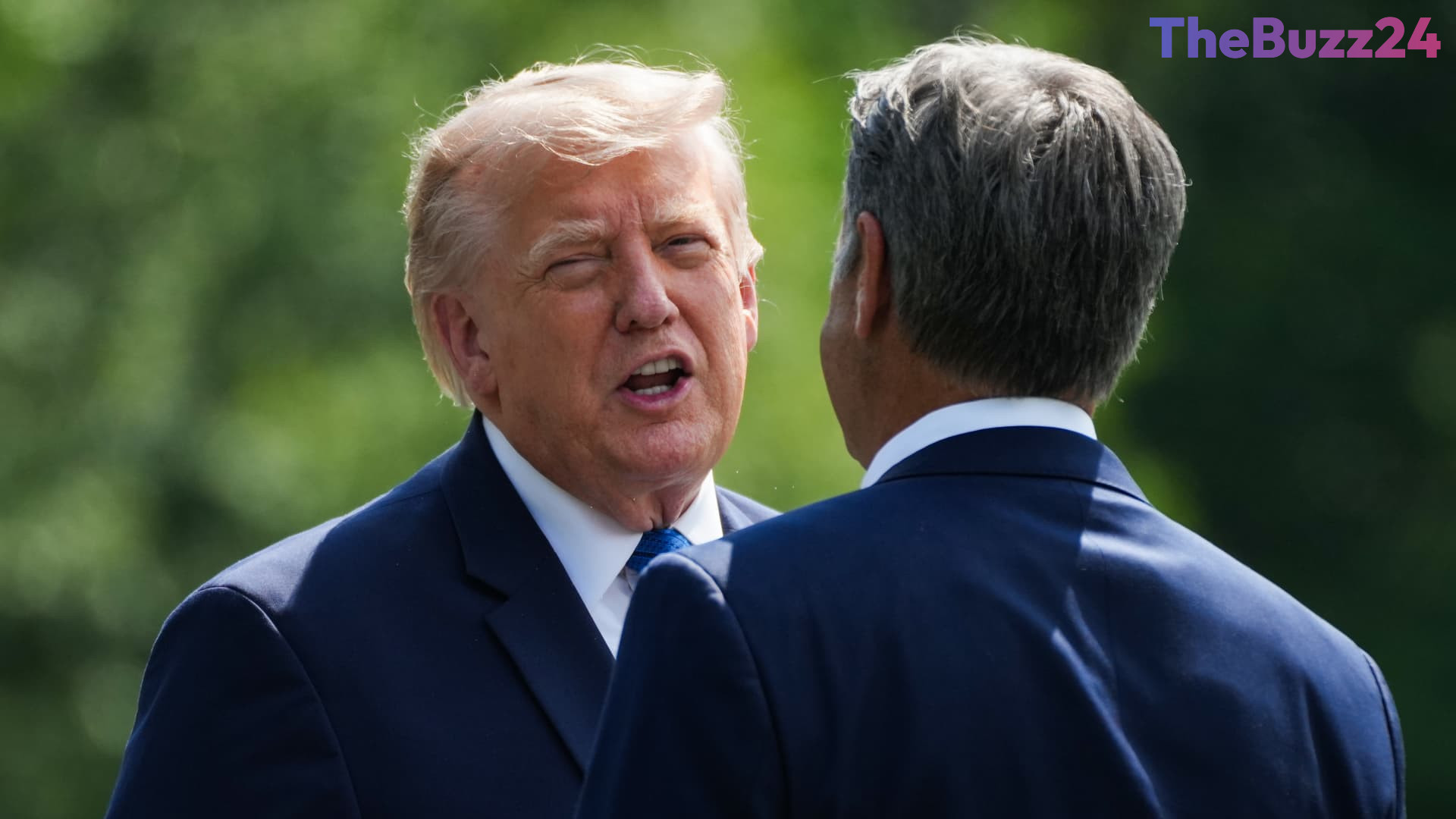
U.S. President Donald Trump has announced the suspension of a scheduled military strike against Iran, citing a direct request from Tehran and neighboring Middle Eastern nations. According to Trump, the pause comes after the involved parties established the preliminary boundaries of a potential diplomatic agreement. The proposed framework reportedly demands the immediate and complete reopening of the strategic Strait of Hormuz alongside a definitive end to Iran’s nuclear weapons program.
Despite the diplomatic opening, Iranian state media has characterized Trump’s terms as merely a “wish list,” signaling deep-seated skepticism. The diplomatic breakthrough follows a week of intense military posturing, during which the U.S. military executed heavy airstrikes against Islamic Revolutionary Guard Corps targets, prompting Iranian retaliatory strikes on U.S. bases in Kuwait and Bahrain. Meanwhile, regional tensions have escalated with recent drone strikes on commercial shipping near Oman and Egypt, prompting several U.S. embassies in the Middle East—including those in Iraq, Jordan, and the United Arab Emirates—to advise American citizens to prepare for immediate departure or flight disruptions.
The fragile security situation has also severely impacted global energy markets, with Brent crude and West Texas Intermediate both rising over one percent as fears of a prolonged blockade of the Strait of Hormuz persist. The strategic waterway, which previously handled approximately a fifth of the world’s oil supply, remains a central point of contention after a June ceasefire agreement collapsed. While Trump emphasized that the U.S. military remains “locked and loaded” to strike if negotiations fail, the temporary halt offers a brief window for diplomatic intervention to prevent a wider regional war.
Key Takeaways
- President Trump halted a planned military strike on Iran, claiming both Tehran and regional neighbors requested a pause to pursue a diplomatic framework.
- The proposed deal outlines the complete reopening of the Strait of Hormuz and the termination of Iran's nuclear threat, though Iranian officials have dismissed these terms as a 'wish list.'
- Security warnings remain high across the Middle East, with U.S. embassies advising citizens to prepare for evacuations amid ongoing maritime tensions and volatile oil prices.
Editor’s Analysis & Impact
The sudden halt of U.S. airstrikes highlights the high-stakes brinkmanship defining current U.S.-Iran relations. While President Trump’s announcement offers a temporary diplomatic reprieve, the fundamental issues—specifically control over the Strait of Hormuz and Iran’s nuclear ambitions—remain unresolved. The breakdown of the June 17 ceasefire and subsequent maritime blockades have already disrupted global energy corridors, driving up Brent and WTI crude prices. Iran’s dismissal of U.S. demands as a ‘wish list’ suggests that a rapid, comprehensive agreement is unlikely. Investors and global markets should brace for continued volatility; any failure in these last-minute negotiations will almost certainly trigger a severe military escalation, further choking critical shipping lanes like the Strait of Hormuz and the Bab el-Mandeb strait, with catastrophic implications for global trade and energy security.
Frequently Asked Questions
Q: Why did President Trump cancel the planned military strikes on Iran?
A: President Trump stated he paused the strikes at the request of Iran and other Middle Eastern nations after establishing the preliminary 'perimeters of a deal' aimed at resolving the conflict.
Q: What are the primary terms of the proposed agreement?
A: The proposed framework includes the immediate and complete reopening of the Strait of Hormuz to international shipping and a total end to Iran's nuclear threat.
Q: How has Iran responded to the proposed terms?
A: Iranian state media has dismissed the U.S. demands as a 'wish list,' and Iranian officials have warned that they remain prepared to respond decisively to any foreign aggression or continued naval blockades.
AI Disclosure: This article is based on verified data and official reports. Our Team and AI have cross-referenced every financial detail with primary sources to ensure total accuracy.
More from this Category