Trump Issues Stark Warning Over Iran Deal Amid G7 Summit Negotiations
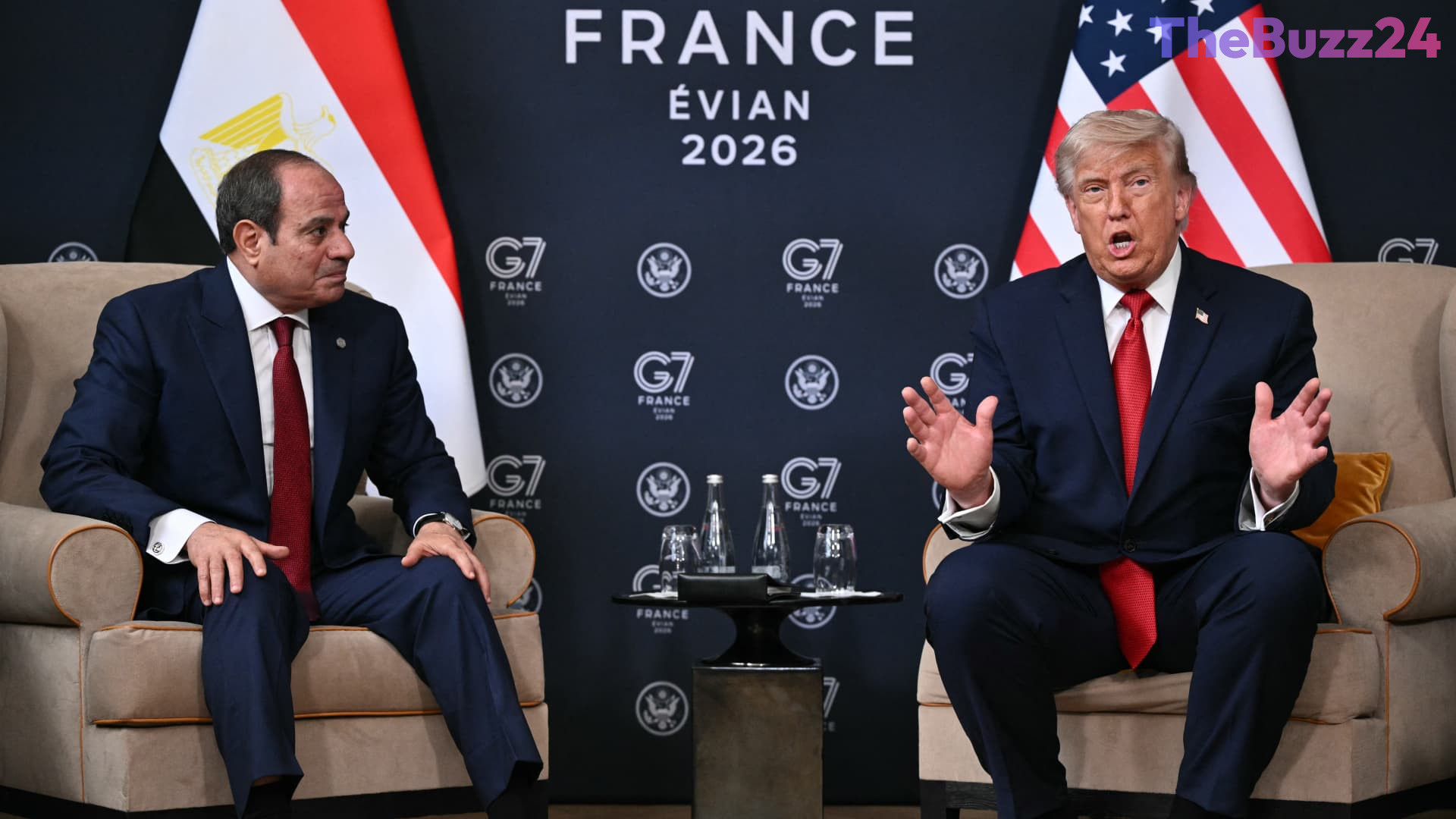
During the G7 summit held in Évian-les-Bains, France, President Donald Trump signaled that the proposed memorandum of understanding (MoU) aimed at de-escalating the Middle East conflict remains subject to change. While the agreement is scheduled for a formal signing in Geneva, the President emphasized that the U.S. maintains a hardline stance, warning that military action remains an option if the terms are not met or if behavior does not align with U.S. expectations.
The proposed framework is intended to extend a ceasefire between the U.S. and Iran for 60 days, providing a foundation for future discussions regarding Tehran’s nuclear program and regional stability. Despite the diplomatic progress, the President’s rhetoric underscored the fragility of the negotiations, framing the potential deal as a conditional arrangement rather than a finalized peace treaty.
Signs of a potential breakthrough emerged on the same day as three Iranian oil tankers successfully navigated through the U.S. Navy blockade in the Strait of Hormuz. This movement marks the first outbound shipment in two months, suggesting a shift in regional tensions. Meanwhile, the G7 summit continues to focus on major geopolitical crises, including the ongoing war in Ukraine, where the President has urged both Russia and Ukraine to seek a negotiated settlement to end the significant loss of life.
Key Takeaways
- President Trump described the upcoming Iran agreement as a non-final memorandum of understanding, leaving room for potential military intervention.
- The proposed deal aims to extend the U.S.-Iran ceasefire by 60 days and establish a framework for nuclear negotiations.
- Iranian oil tankers have begun passing through the Strait of Hormuz, signaling a possible easing of the U.S. naval blockade.
Editor’s Analysis & Impact
The President’s comments at the G7 summit highlight a ‘peace through strength’ approach that prioritizes leverage over traditional diplomatic finality. By explicitly linking the memorandum of understanding to the threat of military force, the administration is attempting to maintain maximum pressure on Tehran while simultaneously engaging in formal talks. This strategy creates significant market uncertainty, particularly regarding energy prices and regional shipping lanes. If the deal holds, it could stabilize oil markets; however, the volatility of the rhetoric suggests that any perceived breach by Iran could lead to a rapid escalation. The broader implication is a shift toward transactional diplomacy, where agreements are treated as fluid instruments of policy rather than static international commitments, forcing global markets to price in higher geopolitical risk premiums.
Frequently Asked Questions
Q: What is the purpose of the memorandum of understanding with Iran?
A: The memorandum is intended to extend the current ceasefire between the U.S. and Iran for 60 days and create a framework for future negotiations regarding Iran's nuclear program.
Q: Why is the U.S. President threatening military action despite the upcoming signing?
A: The President has characterized the agreement as non-final, using the threat of force as leverage to ensure that Iran adheres to the conditions set forth in the negotiations.
AI Disclosure: This article is based on verified data and official reports. Our Team and AI have cross-referenced every financial detail with primary sources to ensure total accuracy.
More from this Category