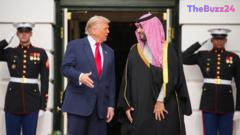
Trump Links US-Saudi Nuclear Deal to Riyadh Recognizing Israel
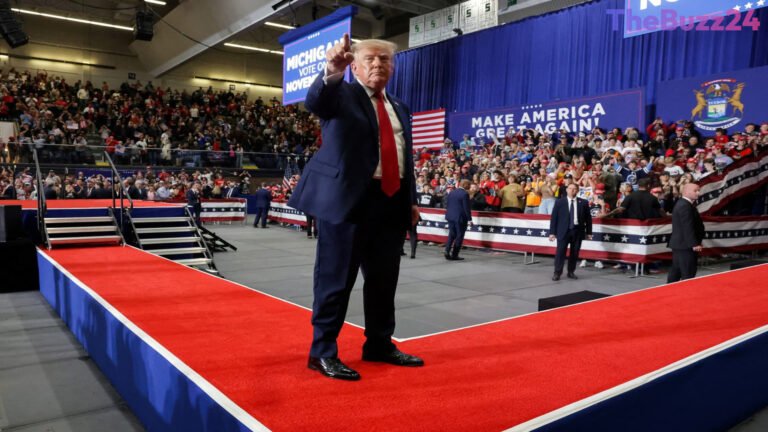
President Donald Trump has stated that a major proposed civil nuclear agreement between the United States and Saudi Arabia is strictly conditional upon Riyadh joining the Abraham Accords and recognizing Israel. Clarifying the parameters of the pact on social media, Trump emphasized that the arrangement excludes any uranium enrichment and is limited exclusively to peaceful, non-military energy applications.
The announcement comes amid mounting scrutiny from regional experts and lawmakers from both major American political parties regarding the potential proliferation risks associated with introducing nuclear technology to the volatile Middle East. While the White House maintains that the prerequisite has been repeatedly communicated to Saudi leadership, Riyadh has historically insisted that formal diplomatic normalization with Israel must be contingent upon the establishment of a Palestinian state.
The Department of Energy outlined that the multi-billion-dollar framework includes both peaceful nuclear cooperation and bilateral safeguards agreements, which will be submitted to the US Congress for review. Meanwhile, the International Atomic Energy Agency confirmed it is prepared to implement verification measures once formally requested. The development has drawn mixed reactions internationally, with the Israeli government praising the potential for regional peace, while critics and defense analysts continue to voice apprehension over the long-term geopolitical and security implications of expanding nuclear capabilities in the region.
Key Takeaways
- US President Donald Trump stated that a civil nuclear agreement with Saudi Arabia requires Riyadh to join the Abraham Accords and recognize Israel.
- The proposed nuclear deal explicitly prohibits uranium enrichment and is restricted to non-military, peaceful energy use.
- The agreement will face a review in the US Congress, with the IAEA standing by to implement necessary verification measures.
Editor’s Analysis & Impact
The conditional linking of a multi-billion-dollar civil nuclear agreement to Saudi-Israeli normalization represents a high-stakes diplomatic gambit by the Trump administration. By leveraging advanced energy cooperation, Washington aims to permanently reshape the geopolitical landscape of the Middle East, though this strategy carries profound risks. The introduction of nuclear technology to Saudi Arabia—even under strict non-enrichment terms and IAEA safeguards—triggers deep proliferation anxieties among security analysts and regional stakeholders, particularly given the backdrop of ongoing tensions with Iran. Furthermore, holding the nuclear deal hostage to the Abraham Accords directly challenges Riyadh’s longstanding official stance that normalization is impossible without a clear pathway to Palestinian statehood. Whether Saudi leadership will recalibrate its foreign policy stance to secure vital American nuclear and economic partnership remains one of the most critical questions for regional stability and global energy markets.
Frequently Asked Questions
Q: What is the main requirement for the US-Saudi nuclear deal to proceed?
A: President Donald Trump has stated that Saudi Arabia must join the Abraham Accords and recognize Israel for the civil nuclear agreement to be approved.
Q: Does the agreement allow Saudi Arabia to enrich uranium?
A: No, Trump explicitly stated that the civil nuclear deal will not permit any enrichment of material and is restricted solely to non-military, peaceful use.
Q: How has Israel responded to the announcement?
A: The Israeli government welcomed the statement, with Prime Minister Benjamin Netanyahu's office describing Saudi participation in the accords as a historic leap forward for regional peace, though some domestic critics expressed ongoing concerns about civilian nuclear programs.
AI Disclosure: This article is based on verified data and official reports. Our Team and AI have cross-referenced every financial detail with primary sources to ensure total accuracy.
More from this Category