Trump Proposes Ambitious Expansion of Abraham Accords to Include Iran
Former President Donald Trump has introduced a strategic vision to significantly broaden the Abraham Accords, the landmark diplomatic framework that normalized relations between Israel and several Arab nations during his 2020 term. The proposed initiative aims to weave a more comprehensive coalition of regional powers into the existing structure, fostering a new era of cooperation across the Middle East.
In recent high-level discussions, the former president has engaged with leadership from key nations, including Saudi Arabia, Qatar, Egypt, Jordan, Turkey, and Pakistan. The centerpiece of this ambitious plan is the potential for a diplomatic settlement with Iran, which would see the country integrated into this regional alliance. Trump has characterized these ongoing talks as a complex but essential endeavor to secure long-term stability in a historically volatile region.
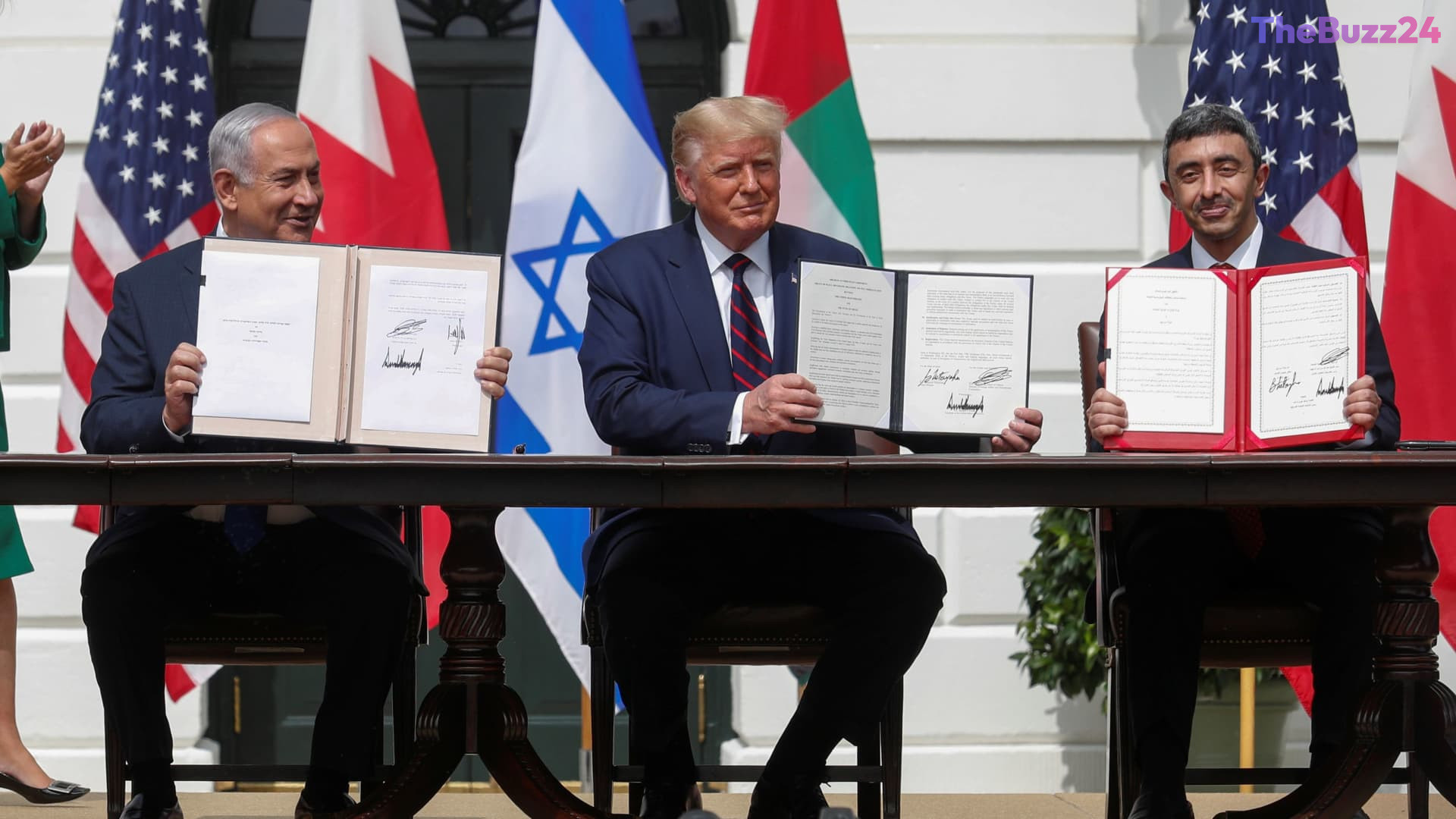
While the original Accords successfully established formal ties between Israel and countries such as the United Arab Emirates, Bahrain, Morocco, and Sudan, expanding the scope to include Iran presents a formidable geopolitical challenge. Although Trump has signaled optimism regarding the trajectory of these negotiations, he noted that a final agreement with Tehran remains a work in progress. As regional powers evaluate the strategic consequences of this potential realignment, the international community continues to watch closely to see if this vision can reshape the Middle Eastern diplomatic landscape.
Key Takeaways
- Donald Trump is advocating for an expansion of the Abraham Accords to incorporate major regional powers like Saudi Arabia, Turkey, and Pakistan.
- The proposal includes a high-stakes effort to reach a diplomatic settlement with Iran to bring the nation into a broader regional coalition.
- The initiative builds upon the 2020 foundation that normalized relations between Israel and several Arab states.
Editor’s Analysis & Impact
The proposal to integrate Iran into the Abraham Accords marks a significant shift from traditional containment-based foreign policy. By attempting to align regional economic and security interests, the initiative seeks to transition from a history of proxy conflicts toward a model of normalization. However, the strategy faces substantial obstacles, including deep-rooted ideological tensions, existing security pacts, and the inherent skepticism of regional stakeholders. Should this realignment succeed, it would fundamentally transform the global energy market and the security architecture of the Middle East. Nevertheless, the diplomatic friction involved suggests this is a long-term, high-risk aspiration, as any miscalculation in the regional balance of power could lead to further instability rather than the intended peace.
Frequently Asked Questions
Q: What are the Abraham Accords?
A: The Abraham Accords are a series of diplomatic agreements, first signed in 2020, that established formal relations and economic cooperation between Israel and several Arab nations, most notably the UAE and Bahrain.
Q: Which nations are being targeted for this expanded coalition?
A: The proposed expansion includes discussions with leaders from Saudi Arabia, Qatar, Egypt, Jordan, Turkey, and Pakistan, with the ultimate goal of potentially including Iran in the diplomatic framework.
AI Disclosure: This article is based on verified data and official reports. Our Team and AI have cross-referenced every financial detail with primary sources to ensure total accuracy.
More from this Category