Precious Metals Rally as Geopolitical Tensions Ease and Inflation Outlook Shifts
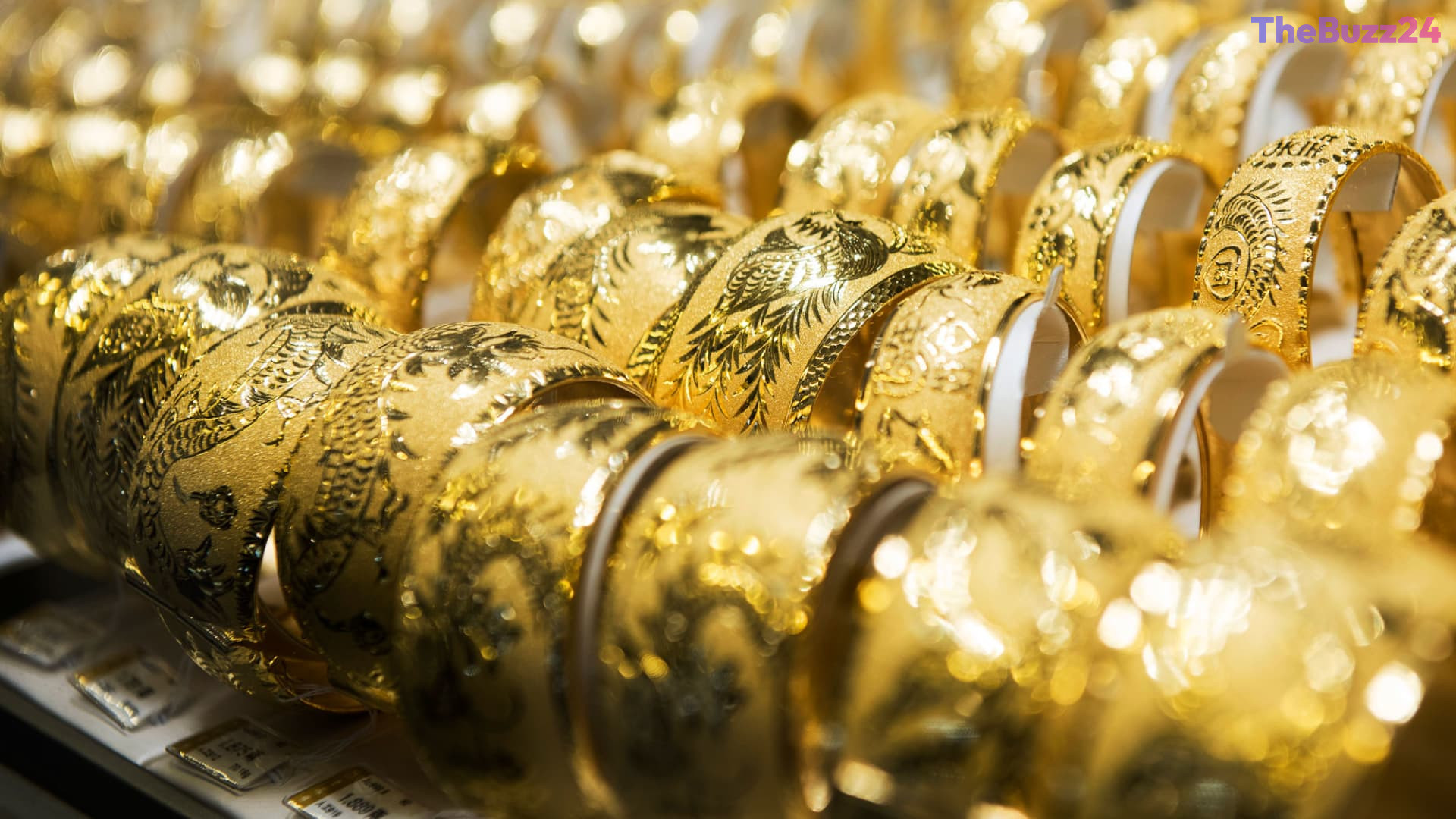
Gold prices experienced a significant climb on Monday, surging more than 1% as international markets responded to emerging signs of a diplomatic breakthrough between the United States and Iran. The potential for de-escalation in the region, particularly regarding the stability of the Strait of Hormuz, has sparked optimism that global energy costs could soon stabilize. As oil prices retreat and the U.S. dollar softens, investors are increasingly pivoting toward gold as a preferred asset to navigate the evolving economic landscape.
Spot gold reached $4,559.07 per ounce, while U.S. gold futures for June delivery saw a 0.8% increase to $4,559.80. This market confidence is largely tied to reports of a memorandum of understanding between Washington and Tehran. Although U.S. officials, including Secretary of State Marco Rubio, have emphasized that the administration remains prepared to pursue all avenues for a favorable agreement, the market is already factoring in a more stable geopolitical environment.
The current rally is heavily supported by the inverse relationship between energy prices and bullion. Because gold is a non-yielding asset, it typically faces pressure during periods of high interest rates. However, the cooling of inflation expectations—fueled by lower oil costs—has enhanced the appeal of precious metals. Furthermore, the weakening of the U.S. dollar has increased the purchasing power of international buyers, providing additional momentum to the sector.
This market shift occurs at a critical juncture for the U.S. economy under the leadership of Federal Reserve Chair Kevin Warsh. As the central bank assesses the impact of energy-linked inflation on consumer behavior, the broader precious metals market has followed gold’s lead. Silver saw a notable 3.1% increase to $77.79 per ounce, while platinum and palladium also posted gains of 2.3% and 2.7%, respectively, reflecting a widespread positive sentiment across the commodities sector.
Key Takeaways
- Gold prices rose over 1% following positive diplomatic signals between the U.S. and Iran, which could stabilize oil supplies.
- The decline in oil prices and a weaker U.S. dollar have reduced inflation expectations, making non-yielding assets like gold more appealing to investors.
- The broader precious metals market, including silver, platinum, and palladium, also experienced significant gains as the Federal Reserve under Chair Kevin Warsh monitors the economic landscape.
Editor’s Analysis & Impact
The recent rally in precious metals highlights the market’s extreme sensitivity to geopolitical stability and energy prices. By easing the threat of supply chain disruptions in the Strait of Hormuz, the potential U.S.-Iran agreement acts as a deflationary catalyst, directly benefiting gold. From an industry perspective, this suggests that investors are shifting away from defensive, high-interest-rate hedging and toward assets that thrive when inflation expectations moderate. The transition under Federal Reserve Chair Kevin Warsh will be critical; if the Fed interprets these lower energy costs as a sign to pause or pivot on interest rate hikes, we could see a sustained bull run for commodities. However, investors should remain cautious, as diplomatic progress is often volatile and subject to sudden reversals that could quickly reignite inflation fears.
Frequently Asked Questions
Q: Why does a drop in oil prices help gold prices?
A: Oil is a major driver of inflation. When oil prices fall, overall inflation expectations decrease, which often leads to lower interest rates. Since gold does not pay interest, it becomes more attractive to investors when interest rates are low or falling.
Q: How does the value of the U.S. dollar affect gold?
A: Gold is priced in U.S. dollars globally. When the dollar weakens, gold becomes cheaper for international investors holding other currencies, which typically increases demand and pushes the price of gold higher.
AI Disclosure: This article is based on verified data and official reports. Our Team and AI have cross-referenced every financial detail with primary sources to ensure total accuracy.
More from this Category