Trump Slams Federal Reserve’s Rate Policy, Advocates for Deeper Cuts Amid Economic Concerns
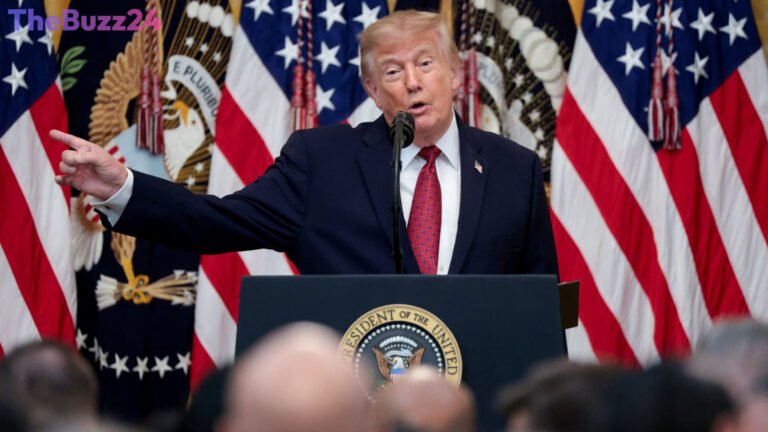
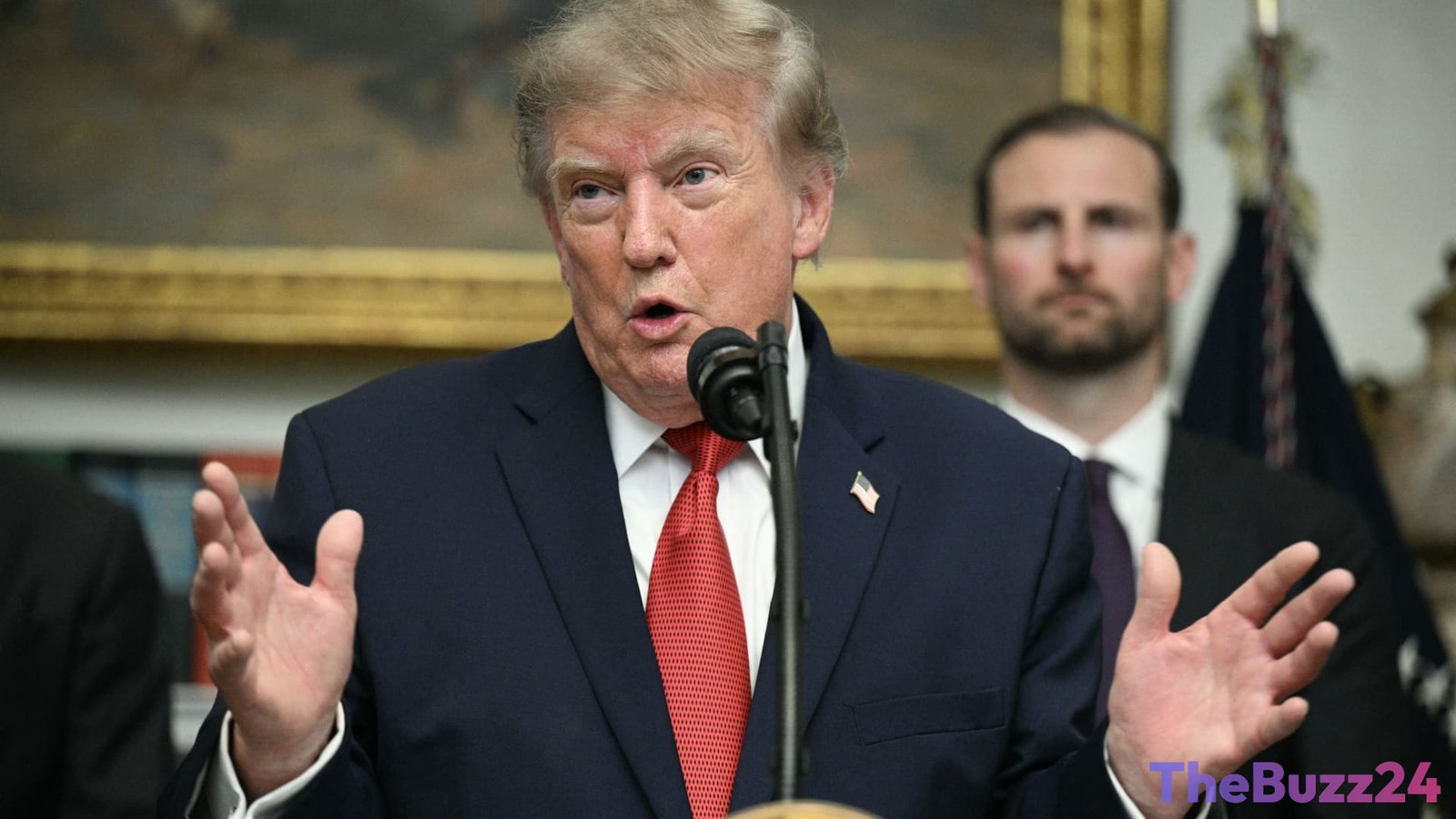
President Donald Trump has once again voiced strong criticism of the Federal Reserve’s interest rate policy, asserting that the central bank should not allow positive economic news to deter it from implementing deeper rate cuts. While commending Chairman Kevin Warsh for his performance, Trump expressed frustration with the broader Federal Open Market Committee (FOMC), which he characterized as a “political board” with members appointed by previous administrations and his own.
Trump’s argument centers on the belief that lower interest rates are crucial for sustaining economic growth and alleviating the burden of the nation’s substantial debt, which approaches $40 trillion. He has consistently argued that the pace of recent rate reductions has been insufficient. Although the Fed has not voted to raise its benchmark interest rate in over three years and has implemented several cuts in recent periods, these actions have not met the president’s expectations for a more accommodative monetary stance. He suggested that historically, strong economic indicators would lead to lower interest rates, a dynamic he believes is no longer at play.
Further fueling his discontent, Trump drew comparisons between the U.S. and other global economies, specifically citing Switzerland, where benchmark rates hover near zero. He highlighted the significant disparity, noting the U.S. pays considerably higher rates. This comparison underscores his view that the U.S. is at a disadvantage. These comments coincided with the release of the FOMC’s July meeting minutes, which indicated that many officials anticipate the need for higher rates unless inflation shows more significant progress towards the Fed’s 2% target, despite recent positive inflation data. The U.S. economy’s annualized growth rate in the second quarter stood at 1.5%, falling short of expectations.
In a related development, the Treasury Department announced an expansion of its bond buyback program, specifically targeting longer-maturity debt of at least 10 years. This move follows a surge in longer-term debt, though Trump maintained that despite what he considers unfairly high rates, the U.S. does not face a bond market problem. The ongoing tension between the executive branch’s desire for lower rates and the central bank’s mandate for price stability and maximum employment continues to be a focal point in economic policy discussions.
Key Takeaways
- President Trump renewed his criticism of the Federal Reserve, urging deeper interest rate cuts despite positive economic indicators.
- He argued that lower rates are essential for economic growth and reducing the national debt, expressing frustration with the Fed's current pace of reductions.
- Trump highlighted the disparity between U.S. interest rates and those of other nations like Switzerland, suggesting the U.S. is at a disadvantage.
Editor’s Analysis & Impact
President Trump’s persistent criticism of the Federal Reserve’s interest rate policy underscores the ongoing tension between political objectives and central bank independence. Such public pressure can introduce uncertainty into financial markets, particularly regarding future monetary policy decisions. While lower rates could theoretically stimulate borrowing and investment, the Fed’s mandate prioritizes price stability and maximum employment, often requiring a more cautious approach to inflation. The comparison to other nations like Switzerland, which faces different economic challenges, highlights the complexity of global monetary policy. Moving forward, the market will closely watch how the Fed navigates these political headwinds while adhering to its economic data-driven strategy, potentially influencing bond yields, currency valuations, and investor confidence in the U.S. economy.
Frequently Asked Questions
Q: Why is President Trump advocating for lower interest rates?
A: President Trump believes lower interest rates are crucial for stimulating economic growth, reducing the national debt burden, and making the U.S. more competitive globally compared to countries with near-zero rates.
Q: What is the Federal Reserve's current stance on interest rates?
A: The Federal Reserve has not raised its benchmark interest rate in over three years and has implemented several cuts in recent periods. However, the Federal Open Market Committee's July minutes indicated that many officials expect higher rates might be necessary unless inflation shows more significant progress towards its 2% target.
Q: How do U.S. interest rates compare to other major economies?
A: President Trump specifically cited Switzerland, which has benchmark rates anchored around zero. He expressed frustration that the U.S. pays considerably higher rates, suggesting a disadvantage in the global economic landscape.
AI Disclosure: This article is based on verified data and official reports. Our Team and AI have cross-referenced every financial detail with primary sources to ensure total accuracy.
More from this Category