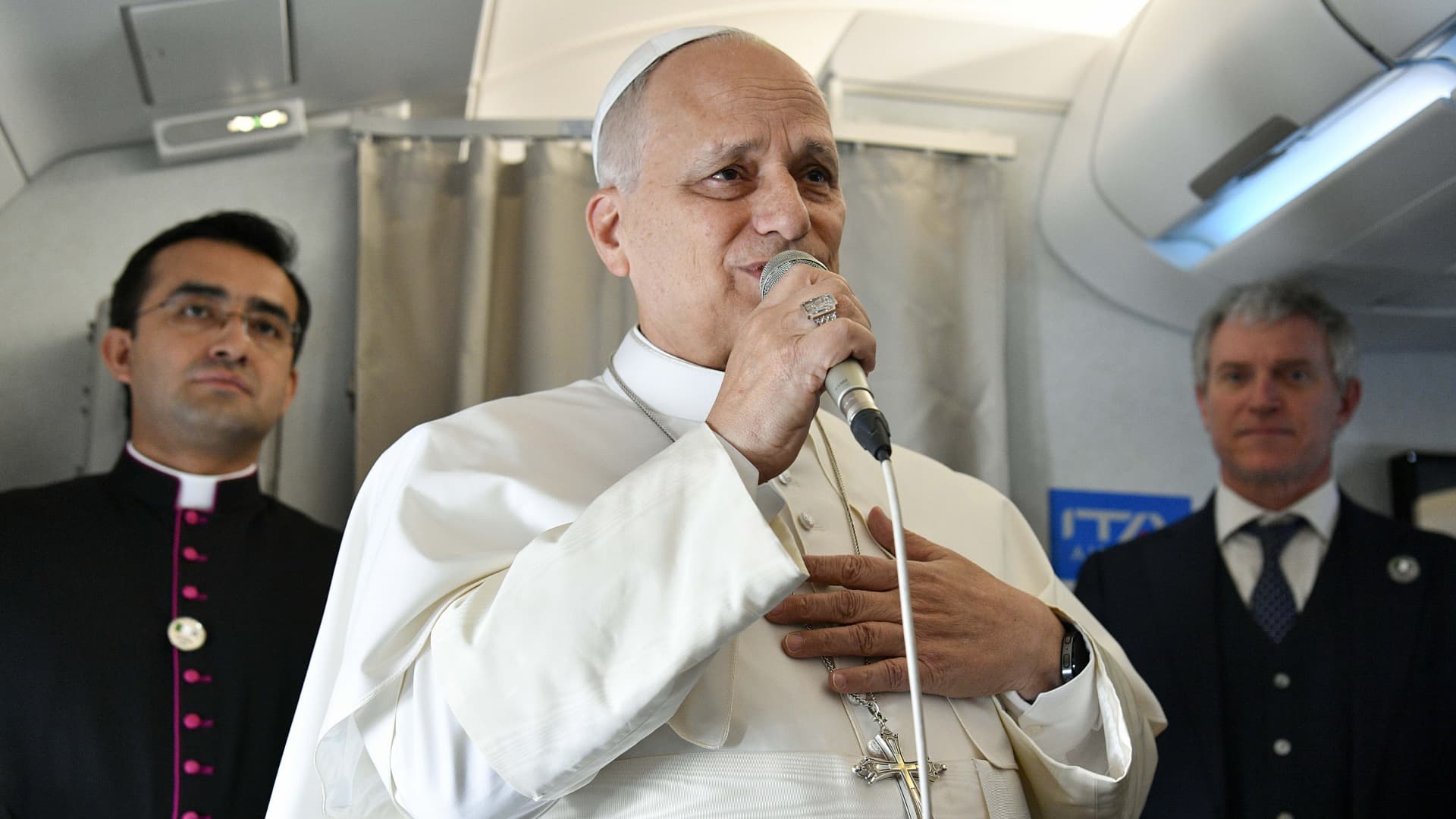
Diplomatic Clash: Donald Trump and Pope Leo XIV at Odds Over Middle East Strategy
A significant diplomatic divide has emerged between Donald Trump and Pope Leo XIV, centered on conflicting approaches to the ongoing instability in the Middle East. The former president has publicly challenged the pontiff’s recent advocacy for ceasefires and diplomatic engagement, arguing that such measures fail to account for the complexities of the Iranian government’s internal and external policies.
In a series of public statements, Trump criticized the Vatican’s stance, specifically questioning the Pope’s understanding of the Iranian regime’s domestic crackdowns and its nuclear ambitions. Trump labeled the potential for Iran to secure nuclear capabilities as an intolerable threat, suggesting that the Vatican’s focus on multilateralism undermines broader security interests. This friction highlights a fundamental disagreement between the two figures regarding the efficacy of soft power versus hardline geopolitical pressure.
Despite the mounting pressure, Pope Leo XIV has maintained his commitment to promoting global dialogue and opposing military escalation. The Vatican has signaled that it will not alter its diplomatic course in response to political criticism from the United States. This ideological rift has been further exacerbated by recent controversies, including the circulation of AI-generated imagery that drew accusations of blasphemy. While Trump defended the imagery as a misinterpretation of his intent to portray himself in a humanitarian light, the incident has deepened the tension between the two institutions, leaving little room for immediate reconciliation.
Key Takeaways
- Donald Trump and Pope Leo XIV are engaged in a public dispute over the best approach to managing Iranian nuclear ambitions and Middle East conflicts.
- The Pope continues to advocate for peaceful resolution and multilateralism, while Trump favors a more aggressive stance against the Iranian government.
- Recent controversies involving AI-generated imagery have further strained the relationship between the former president and the Vatican.
Editor’s Analysis & Impact
The public spat between Donald Trump and Pope Leo XIV underscores a growing polarization in global discourse, where traditional diplomatic norms are increasingly challenged by populist rhetoric. This conflict is not merely a personality clash; it represents a fundamental divergence in geopolitical philosophy—the ‘peace-through-strength’ doctrine versus the Vatican’s long-standing commitment to humanitarian-led diplomacy. The market and political implications are significant, as this friction could influence voter sentiment among religious demographics and complicate future U.S.-Vatican relations. As AI-generated content continues to blur the lines between political messaging and cultural sensitivity, we can expect further volatility in how public figures communicate. The long-term outlook suggests that unless a middle ground is found, this ideological divide will continue to serve as a flashpoint for broader debates on the role of religious institutions in international security policy.
Frequently Asked Questions
Q: What is the primary cause of the disagreement between Donald Trump and Pope Leo XIV?
A: The disagreement stems from conflicting views on how to handle Middle East tensions, specifically regarding Iran's nuclear program and the effectiveness of diplomatic dialogue versus military pressure.
Q: How did the controversy over AI-generated imagery affect the situation?
A: The imagery, which drew accusations of blasphemy, intensified the existing friction between the two parties, with the Vatican and religious leaders expressing significant disapproval of the content.
AI Disclosure: This article is based on verified data and official reports. Our Team and AI have cross-referenced every financial detail with primary sources to ensure total accuracy.
More from this Category