Geopolitical Tensions Rise as U.S. Naval Strategy in Strait of Hormuz Impacts Asian Energy Markets
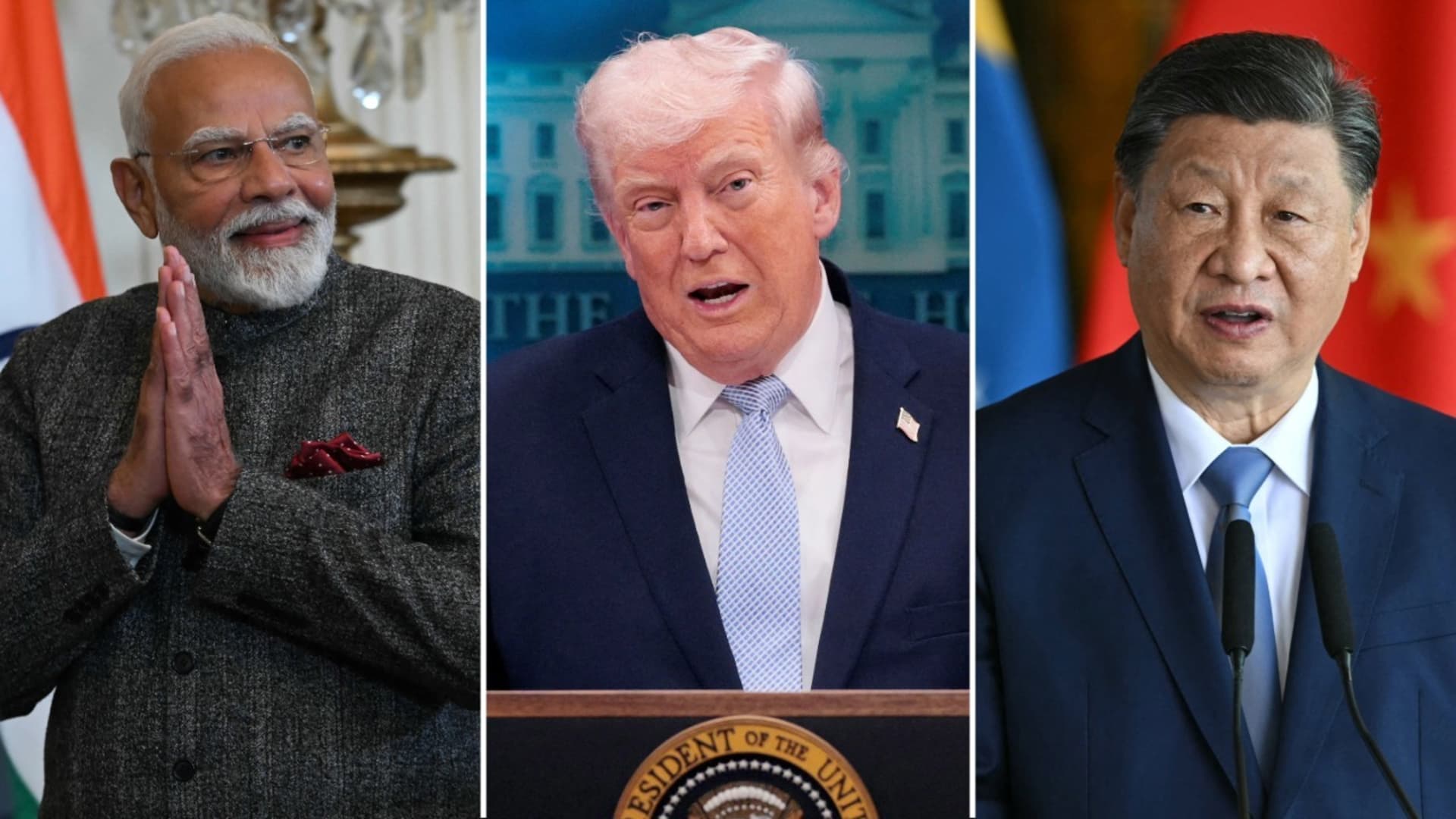
The United States’ ongoing maximum pressure campaign against Iran, characterized by a naval blockade of the Strait of Hormuz, is causing significant geopolitical friction for China and India. As Washington intensifies efforts to restrict Iranian oil exports, the resulting volatility in energy markets is testing the diplomatic ties between the U.S. and these two major Asian economies. With a vast majority of Iranian oil exports currently flowing to Chinese ports, the blockade threatens to destabilize recent efforts to improve U.S.-China relations ahead of critical diplomatic summits.
Beijing has publicly criticized the blockade, describing the strategy as a dangerous escalation that risks regional instability. While China maintains substantial oil reserves and a diversified energy portfolio that could mitigate immediate supply shocks, the prospect of a direct maritime encounter between U.S. and Chinese naval vessels remains a primary concern for global security. Threats of retaliatory tariffs against nations continuing trade with Tehran have further complicated the diplomatic landscape, forcing Beijing to weigh its economic interests against the risk of direct confrontation.
India, meanwhile, faces a more immediate crisis due to its heavy reliance on energy imports and limited strategic reserves. As one of the world’s largest oil importers, India is particularly susceptible to disruptions in liquefied petroleum gas (LPG) supplies, which are vital for domestic infrastructure. While Prime Minister Narendra Modi has sought diplomatic de-escalation through high-level talks with President Donald Trump, analysts suggest that India may eventually be compelled to pivot away from Iranian energy to preserve its strategic partnership with the United States.
The long-term success of the U.S. blockade remains uncertain, as the strategy risks triggering a broader economic or military crisis. While both Beijing and New Delhi are currently motivated to avoid actions that would cause a total breakdown in relations with Washington, the risk of a miscalculation at sea is significant. Any direct interception of a tanker could escalate current diplomatic posturing into a major international incident, potentially altering the regional balance of power.
Key Takeaways
- The U.S. naval blockade of the Strait of Hormuz is creating significant diplomatic strain with China and India due to their reliance on Iranian energy.
- China has criticized the blockade as a destabilizing move, while India faces domestic energy supply risks due to its limited strategic reserves.
- The risk of a maritime miscalculation remains high, which could escalate diplomatic tensions into a broader international conflict.
Editor’s Analysis & Impact
The current situation in the Strait of Hormuz represents a high-stakes gamble in U.S. foreign policy. By leveraging naval power to enforce economic sanctions, the U.S. is effectively forcing its strategic partners to choose between energy security and geopolitical alignment. The market impact is twofold: immediate price volatility in global oil markets and a long-term shift in energy trade routes. If the blockade persists, we can expect a accelerated push by both China and India to diversify their energy suppliers, potentially weakening the efficacy of U.S. sanctions over time. Furthermore, the risk of a kinetic incident at sea creates a ‘black swan’ potential that could send shockwaves through global stock markets and shipping insurance sectors. The future outlook remains precarious, as the balance between containment and economic necessity becomes increasingly difficult to maintain.
Frequently Asked Questions
Q: Why is the Strait of Hormuz significant to global energy markets?
A: The Strait of Hormuz is a critical maritime chokepoint through which a significant portion of the world's oil and liquefied natural gas (LNG) passes, making it essential for global energy security.
Q: How does the U.S. blockade affect India's domestic economy?
A: India relies heavily on imported energy, particularly LPG for cooking and heating. Disruptions in supply chains caused by the blockade threaten to increase domestic energy costs and create shortages.
AI Disclosure: This article is based on verified data and official reports. Our Team and AI have cross-referenced every financial detail with primary sources to ensure total accuracy.
More from this Category