Trump Sets July 4 Deadline for EU Trade Deal, Threatens Steep Tariffs
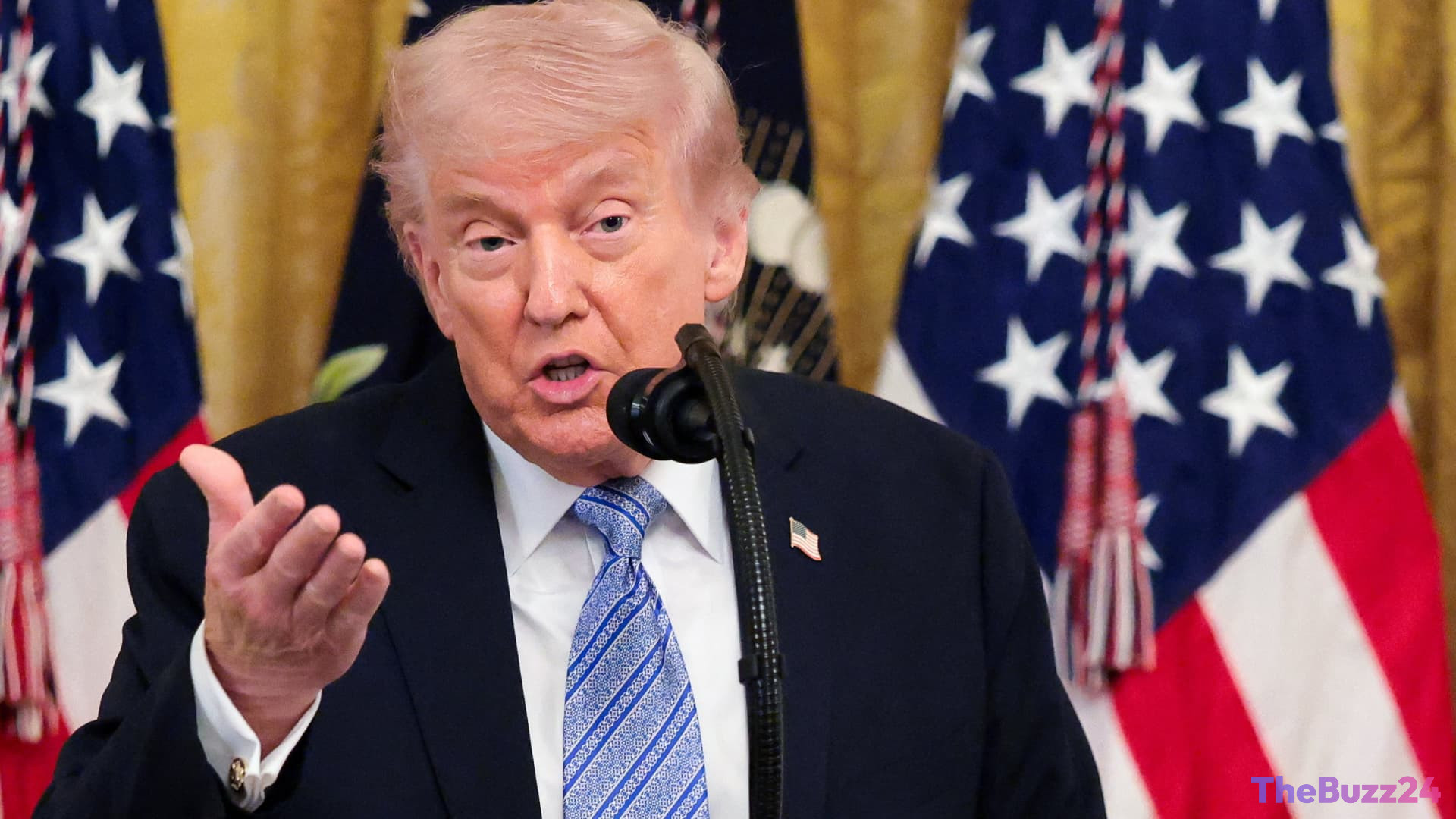
President Donald Trump has issued a firm ultimatum to the European Union, setting a July 4 deadline to ratify a trade agreement and warning of significantly higher tariffs should the bloc fail to comply. The announcement came via a social media post following a call with European Commission President Ursula von der Leyen.
Trump expressed his expectation that the EU would fulfill its commitment to reduce tariffs to zero, as agreed upon in a previous trade deal. He indicated that if the 27-nation bloc does not meet this deadline, tariffs would “immediately jump to much higher levels.” While the specifics of which goods would be affected remain unclear, the threat appears to signal a potential shift from previous pronouncements regarding auto tariffs.
European Commission President Ursula von der Leyen acknowledged the ongoing discussions, stating that “good progress is being made towards tariff reduction by early July.” However, trade negotiators are scheduled to reconvene on May 10 for further discussions, suggesting that while progress is noted, the finalization of the deal is not yet assured. The EU’s chief trade negotiator, Bernd Lange, also indicated that “there is still some way to go” in reaching a complete agreement.
This development occurs amidst ongoing scrutiny of U.S. trade policies. A recent ruling by a U.S. trade court found that previous global tariffs imposed by the Trump administration were not legally justified, adding another layer of complexity to the international trade landscape.
Key Takeaways
- President Trump has set a July 4 deadline for the European Union to ratify a trade agreement.
- Failure to meet the deadline could result in significantly higher tariffs imposed by the U.S. on EU goods.
- Both sides acknowledge progress is being made, but finalization of the deal is still pending further negotiations.
Editor’s Analysis & Impact
The ultimatum issued by President Trump injects considerable urgency into ongoing U.S.-EU trade negotiations. The threat of substantially increased tariffs, particularly if applied broadly, could disrupt established supply chains and negatively impact key economic sectors in both regions. While the EU expresses optimism about tariff reductions, the tight deadline and the history of contentious trade discussions suggest that significant hurdles remain. This situation highlights the volatile nature of international trade relations under the current administration and could have ripple effects across global markets, influencing investment decisions and economic outlooks.
Frequently Asked Questions
Q: What is the specific trade agreement President Trump is referring to?
A: President Trump is referring to a trade agreement previously discussed and partially agreed upon with the European Union, which he expects to result in the EU reducing its tariffs on U.S. goods to zero.
Q: What are the potential consequences if the EU does not meet the July 4 deadline?
A: If the EU fails to ratify the agreement by July 4, President Trump has threatened to impose significantly higher tariffs on goods imported from the bloc. The exact scope and level of these tariffs are not yet fully specified.
Q: When are the next trade talks scheduled?
A: Trade negotiators from the U.S. and the EU are scheduled to meet again on May 10 for the next round of talks.
AI Disclosure: This article is based on verified data and official reports. Our Team and AI have cross-referenced every financial detail with primary sources to ensure total accuracy.
More from this Category