Trump Threatens Tariffs on Canada Amidst Severe Wildfire Smoke Crisis
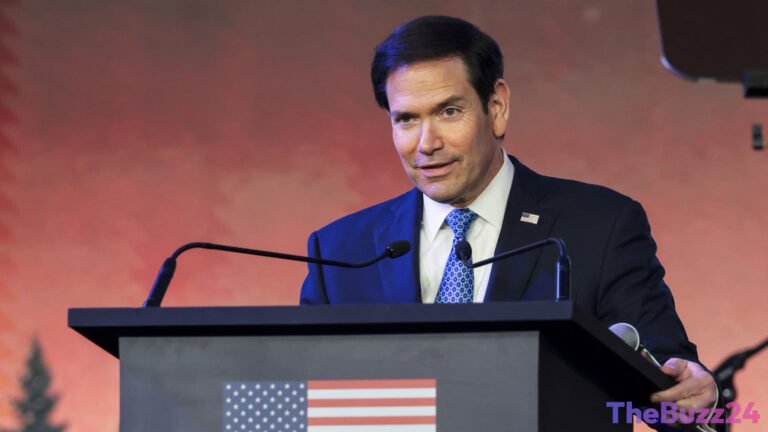
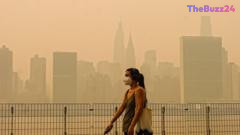
Former President Donald Trump has threatened to impose new tariffs on Canada, citing the country’s alleged negligence in managing forests as a primary cause for the thick, hazardous wildfire smoke currently blanketing large swaths of the northern United States. The smoke, which has triggered air quality alerts from the Midwest to the East Coast, has led to the cancellation of numerous outdoor events and prompted significant public health concerns in major cities including Detroit, Chicago, and New York.
In response to the escalating situation, a group of U.S. lawmakers issued a stern letter to Canadian officials, expressing frustration over what they characterize as a lack of urgency in addressing the blazes. The lawmakers suggested that if Canada fails to improve its forest management and fire suppression efforts, the United States might consider direct intervention in cross-border wildfire protection. Ontario Premier Doug Ford pushed back against these criticisms, highlighting that Canada has historically provided significant support for U.S. disaster relief efforts and is currently deploying extensive resources, including over 150 fire crews and 80 water bombers, to combat the fires.
Scientific experts have cautioned against oversimplifying the crisis, noting that wildfire behavior is driven by complex atmospheric patterns and climate change rather than national borders alone. While forest management is a factor, researchers emphasize that the scale of the current fires in remote regions makes containment exceptionally difficult. As the smoke continues to impact daily life, including potential disruptions to major sporting events like the upcoming World Cup final, the diplomatic tension between the two nations underscores the growing challenge of managing climate-related disasters that transcend international boundaries.
Key Takeaways
- Donald Trump has threatened to impose tariffs on Canada, blaming the country for the wildfire smoke affecting U.S. air quality.
- Canadian officials and experts argue that the fires are a result of climate change and complex environmental factors, not just forest management.
- The smoke has caused widespread health alerts and event cancellations across the northern U.S., with officials monitoring the situation ahead of major public gatherings.
Editor’s Analysis & Impact
The intersection of environmental crisis and trade policy marks a significant escalation in North American diplomatic relations. By framing a natural disaster as a matter of ‘willful negligence’ punishable by tariffs, the rhetoric shifts the focus from collaborative climate adaptation to protectionist economic pressure. This approach risks destabilizing long-standing cross-border emergency management protocols, which have historically relied on mutual aid. Economically, the threat of tariffs introduces uncertainty into the U.S.-Canada trade relationship, potentially complicating supply chains already strained by regional instability. Looking forward, as climate change increases the frequency and intensity of wildfires, the inability to decouple environmental disasters from political posturing may lead to a breakdown in international cooperation, forcing both nations to reconsider their reliance on shared resources and integrated disaster response strategies.
Frequently Asked Questions
Q: Why is the wildfire smoke in Canada affecting the United States?
A: Wildfire smoke is carried across international borders by prevailing wind patterns. Once the smoke enters the upper atmosphere, it can travel thousands of miles, impacting air quality in regions far removed from the actual fire sites.
Q: What is the current status of the firefighting efforts in Canada?
A: Canadian authorities have deployed over 150 fire crews and more than 80 water bombers and helicopters to combat the blazes. Despite these efforts, the vast and remote nature of the affected forests makes containment extremely challenging.
AI Disclosure: This article is based on verified data and official reports. Our Team and AI have cross-referenced every financial detail with primary sources to ensure total accuracy.
More from this Category