Trump’s $1 Trillion ‘Dividend’ Plan Sparks Bipartisan Outcry and Legal Concerns
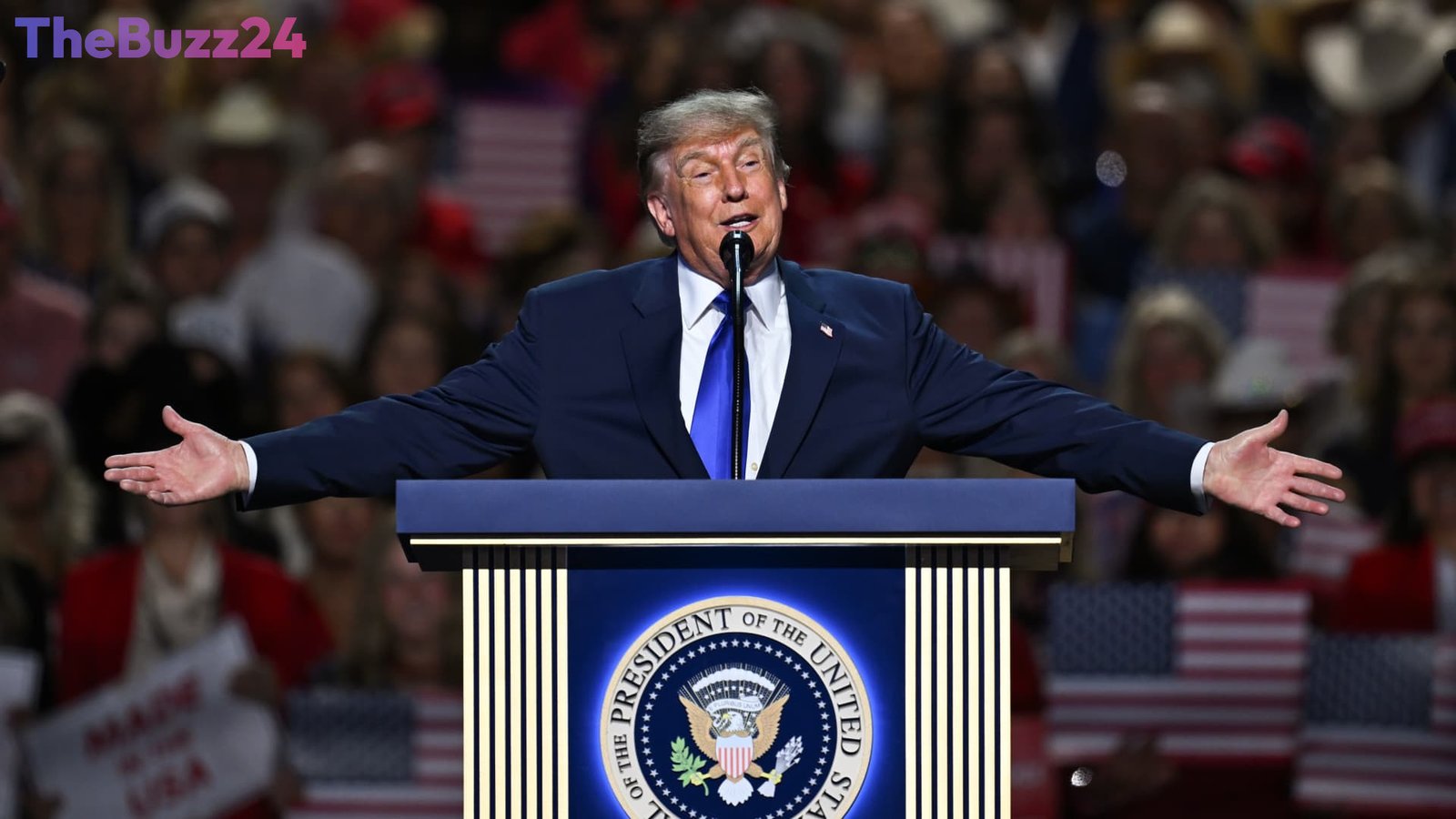
President Donald Trump has unveiled a sweeping proposal to distribute a $5,000 “dividend” to every adult U.S. citizen, contingent on Republicans securing control of both the House of Representatives and the Senate in the upcoming midterm elections. The ambitious pledge, made at a GOP convention in Dallas, suggests a potential payout exceeding $1 trillion, raising immediate alarms about its fiscal feasibility and legality.
This significant financial commitment comes at a time when the U.S. national deficit is already approaching $1.8 trillion for the fiscal year to date, with government spending surpassing revenues. The proposed dividend alone could dwarf current expenditures on national debt interest and defense. With government borrowing costs on the rise due to persistent inflation and a high national debt, the economic implications of such a massive, unfunded expenditure are a major point of concern for fiscal watchdogs.
Beyond the economic strain, the proposal faces substantial legal hurdles. U.S. federal law strictly prohibits offering payments or inducements to influence voting, classifying such actions as criminal offenses punishable by fines and imprisonment. This legal precedent was highlighted by a recent bipartisan panel’s finding that tech billionaire Elon Musk may have violated state law by distributing $1 million checks to voters during a Wisconsin Supreme Court election. Musk’s actions, intended to sway the election outcome, were referred for potential prosecution, underscoring the serious legal ramifications of such direct financial appeals to the electorate.
This is not the first time Trump has floated significant financial distributions to the public. Previous proposals, such as a “DOGE dividend” funded by government efficiency cuts and a “tariff rebate” program, have either failed to materialize or were deemed illegal by the Supreme Court. The memory of trillions spent on pandemic relief checks, which some economists argue contributed to inflation, also looms large as the nation grapples with the potential impact of this latest pledge.
Key Takeaways
- Donald Trump has promised a $5,000 dividend to every adult U.S. citizen if Republicans win control of both houses of Congress.
- The proposed payout could exceed $1 trillion and faces significant criticism regarding its fiscal impact and funding sources.
- The plan may also violate federal law prohibiting payments intended to influence elections, drawing parallels to past legal challenges involving financial inducements to voters.
Editor’s Analysis & Impact
President Trump’s ‘dividend’ proposal represents a high-stakes gamble, attempting to leverage economic promises for electoral gain. The sheer scale of the potential payout, exceeding $1 trillion, immediately raises red flags for fiscal conservatives and economists concerned about the already strained national budget and rising debt levels. The timing, amidst concerns about inflation and increasing borrowing costs, makes such a proposal particularly contentious. Furthermore, the explicit link between the payout and election outcomes places the plan in a legal gray area, potentially inviting challenges based on existing anti-bribery and election influence laws. This could set a precedent for future campaign finance debates and the intersection of populist economic promises with established legal frameworks.
Frequently Asked Questions
Q: What is Donald Trump's 'dividend' plan?
A: The plan proposes that if Republicans win control of both the U.S. House of Representatives and the Senate in the upcoming midterm elections, every adult U.S. citizen would receive a $5,000 payment, referred to as a 'dividend'.
Q: What are the main concerns surrounding this proposal?
A: The primary concerns revolve around the immense cost, estimated to be over $1 trillion, and how such an expenditure would be funded without exacerbating the national deficit and debt. Additionally, there are significant legal questions about whether the proposal violates federal laws against offering payments to influence elections.
Q: Has Trump proposed similar financial plans before?
A: Yes, Trump has previously floated ideas like a 'DOGE dividend' and a 'tariff rebate,' neither of which materialized. The administration also oversaw large stimulus checks during the COVID-19 pandemic, which some economists believe contributed to inflation.
AI Disclosure: This article is based on verified data and official reports. Our Team and AI have cross-referenced every financial detail with primary sources to ensure total accuracy.
More from this Category