Trump’s Friendly Dynamic With Fed Chair Kevin Warsh Raises Questions Over Central Bank Independence
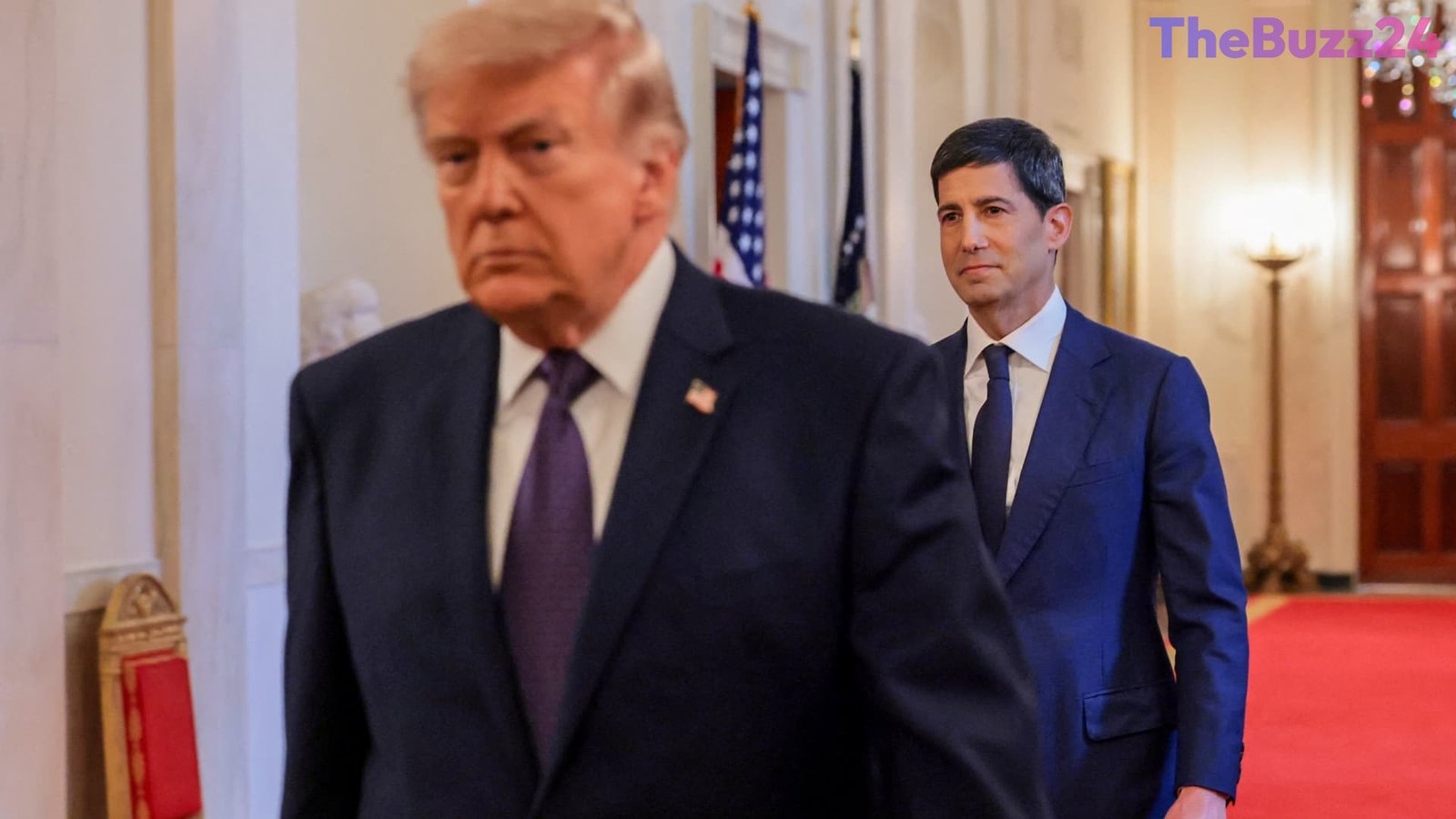
President Donald Trump has adopted a strikingly cooperative approach toward Federal Reserve Chairman Kevin Warsh, marking a dramatic shift from his previously contentious relationship with former central bank leadership. Rather than publicly pressuring the Fed chief through hostile rhetoric, the administration has engaged in frequent direct dialogue with Warsh, treating him as a trusted economic advisor. While White House officials insist that the president fully respects the institutional autonomy of the central bank, this unusually harmonious relationship has sparked debate among financial analysts and economic policymakers regarding the potential risks to monetary credibility.
Historically, central bank independence serves as a vital safeguard designed to prevent political leaders from influencing interest rate policy for short-term gain. Under previous leadership, tensions between the White House and the Federal Reserve were frequent, marked by public disputes and legal friction over interest rate decisions. In contrast, Warsh has expressed confidence in maintaining his autonomy, stating that receiving input from executive branch leaders is a routine aspect of economic governance. Nevertheless, critics caution that frequent communication between the executive branch and the central bank chief could erode market confidence if investors begin to suspect political motives behind policy choices.
The broader economic hazard lies in how financial markets perceive the central bank’s commitment to controlling inflation. Recent market fluctuations reflect investor anxiety over whether the central bank will remain steadfast if price pressures reaccelerate. Economic experts warn that if public perception links monetary policy too closely to presidential influence, the Federal Reserve may feel compelled to enact sharper, more aggressive interest rate hikes than necessary simply to demonstrate its independence to global markets. Such drastic policy moves could inadvertently slow economic growth.
For now, interest rate policy remains steady as inflation continues to be monitored closely. However, the unique rapport between the White House and the central bank leadership presents a delicate balancing act. As economic conditions evolve, maintaining an unmistakable boundary between political priorities and monetary policy will be crucial to preserving long-term financial stability and investor trust.
Key Takeaways
- President Donald Trump has maintained a collaborative communication channel with Federal Reserve Chairman Kevin Warsh, contrasting with past White House conflicts with central bank leadership.
- While the administration asserts it respects monetary independence, market observers worry the close relationship could compromise institutional credibility.
- Economists warn that if political influence is perceived, the Fed might be forced to raise interest rates more aggressively to prove its independence, potentially slowing economic growth.
Editor’s Analysis & Impact
The relationship between the executive branch and the Federal Reserve is one of the most sensitive dynamics in global finance. President Trump’s friendly disposition toward Kevin Warsh creates an unconventional precedent for central bank communications. While open dialogue can foster better alignment between fiscal and monetary goals, the perception of political alignment carries significant market risks. Central bank credibility relies heavily on the belief that interest rate decisions are driven solely by macroeconomic data rather than political expediency. If inflation pressures emerge and the Fed hesitates or shifts stance, financial markets may penalize government debt and push yields higher. Warsh faces a challenging path where he must deliver price stability while convincingly demonstrating that central bank policy remains entirely insulated from White House preferences.
Frequently Asked Questions
Q: Why is Federal Reserve independence considered so important?
A: Independence prevents political leaders from pressuring the central bank to keep interest rates low for short-term economic boosts, which can lead to severe long-term inflation.
Q: How has Kevin Warsh responded to concerns about White House influence?
A: Warsh has stated that he is comfortable receiving calls from executive officials and lawmakers, but maintains that all central bank decisions on interest rates will be made independently based on economic data.
Q: What are the potential economic risks of close ties between the President and the Fed Chair?
A: If investors suspect monetary policy is politically influenced, confidence in inflation control decreases. To rebuild trust, the Fed might have to implement steeper interest rate hikes, which could overly restrict economic growth.
AI Disclosure: This article is based on verified data and official reports. Our Team and AI have cross-referenced every financial detail with primary sources to ensure total accuracy.
More from this Category