Trump’s Housing Bill Standoff: Legislation to Become Law Despite President’s Refusal to Sign
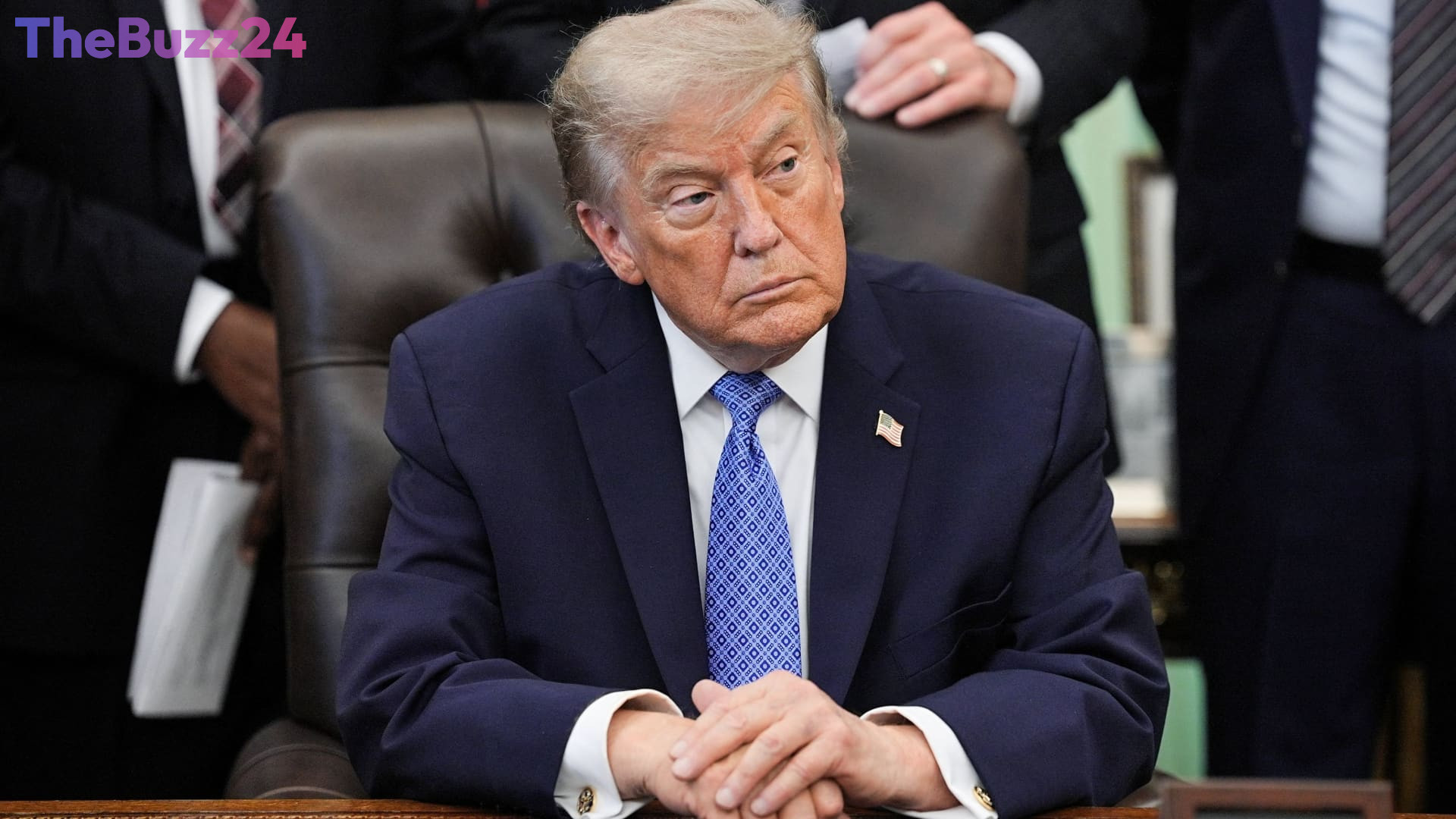
President Donald Trump has announced he will not sign a bipartisan housing bill passed by Congress last month. This decision comes as a protest against the Republican party’s inability to pass a controversial election integrity measure, the SAVE America Act. Despite the President’s refusal to affix his signature, the housing affordability legislation, known as the 21st Century ROAD to Housing Act, is slated to automatically become law this Saturday due to a constitutional provision.
Under U.S. law, if a president receives a bill and does not return it with a veto within 10 days, it automatically becomes law. The White House has indicated that the President’s statement on social media platform Truth Social serves as his official stance on the bill. Trump has been vocal about prioritizing the SAVE America Act, which aims to address concerns about non-citizen voting, a practice already illegal at the federal level and reportedly rare. He has previously suggested a willingness to block other legislation until this election bill is enacted.
Trump’s stance has drawn criticism from Democrats, who argue it demonstrates a lack of concern for rising housing costs impacting Americans. House Minority Leader Hakeem Jeffries and Representative Jason Crow have both publicly stated that the President’s actions prioritize election measures over the pressing issue of housing affordability. This development occurs just as the National Association of Realtors reported a record high in home prices, with the median price of an existing home reaching $440,600 in June, an increase from the previous year.
Key Takeaways
- President Trump will not sign a bipartisan housing bill, opting to let it become law automatically.
- The President's refusal is a protest against the failure to pass the SAVE America Act, an election integrity bill.
- The housing bill's automatic enactment highlights a political standoff over legislative priorities, occurring amidst record-high home prices.
Editor’s Analysis & Impact
This situation underscores a significant political maneuver by President Trump, leveraging a key piece of legislation to pressure his party on a separate, contentious issue. The automatic enactment of the housing bill, despite the President’s disapproval, highlights the constitutional mechanisms that can override executive objections when Congress acts decisively. The timing, coinciding with record housing prices, amplifies the political messaging from both sides, with Democrats seizing on the President’s actions to criticize his focus on election reform over immediate economic concerns. This event could influence voter sentiment heading into the midterms, particularly among those struggling with housing affordability.
Frequently Asked Questions
Q: Why will the housing bill become law without the President's signature?
A: The U.S. Constitution states that if the President receives a bill passed by Congress and does not veto it within 10 days, it automatically becomes law. President Trump has stated he will not sign it, but has not issued a formal veto, allowing this provision to take effect.
Q: What is the SAVE America Act?
A: The SAVE America Act is a proposed election integrity measure that President Trump is pushing for. Its stated aim is to prevent non-citizens from voting in U.S. elections, though such activity is already federally illegal and occurs infrequently. Trump is using the housing bill's passage as leverage to demand action on this election bill.
Q: How does this situation relate to current housing market conditions?
A: The President's refusal to sign the housing bill comes at a time when the National Association of Realtors has reported record-high home prices. Democrats have criticized Trump's actions, suggesting he is ignoring the pressing issue of housing affordability for Americans.
AI Disclosure: This article is based on verified data and official reports. Our Team and AI have cross-referenced every financial detail with primary sources to ensure total accuracy.
More from this Category