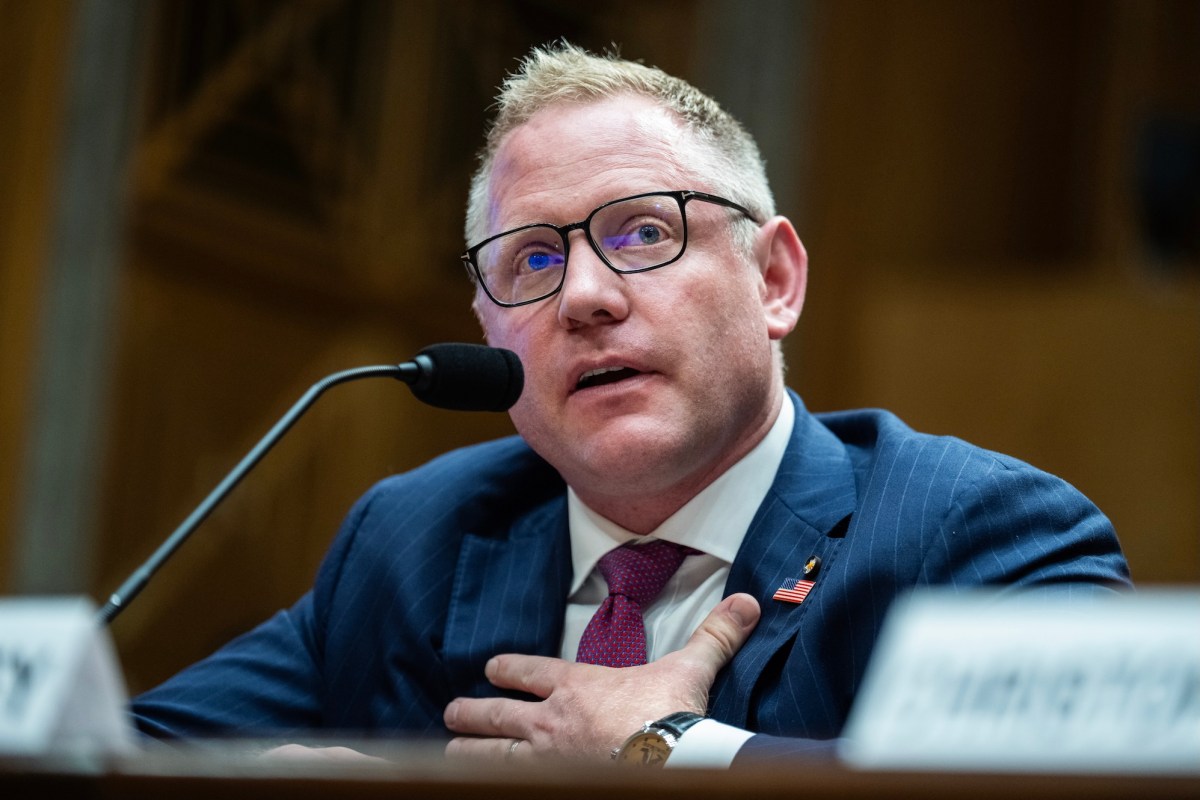
CISA Leadership Crisis Intensifies Following Nominee Withdrawal
The Cybersecurity and Infrastructure Security Agency (CISA) is grappling with renewed leadership instability after Sean Plankey, the administration’s pick for director, officially requested to withdraw his nomination. In a formal communication to the White House, Plankey cited the prolonged stagnation of his confirmation process in the Senate as the primary reason for his decision, noting that he lacked the requisite support to move forward. This development marks the end of a year-long effort to install a permanent leader at the helm of the agency.
Plankey’s path to confirmation faced significant legislative hurdles, most notably from Senator Rick Scott. The opposition stemmed from concerns regarding a specific Coast Guard contract associated with Plankey’s previous role as a senior adviser. With his departure from the nomination process, the agency continues to operate under temporary leadership, currently held by acting director Nick Andersen. This ongoing vacancy follows the earlier exit of former acting director Madhu Gottumukkala, further extending a period of administrative uncertainty.
The timing of this leadership void is particularly concerning given CISA’s critical mandate to protect national civilian infrastructure from sophisticated cyber threats. The agency is already contending with a challenging operational environment characterized by budget constraints, workforce reductions, and the looming threat of government shutdowns. Additionally, the agency faces political pressure, with proposed funding cuts exceeding $700 million linked to debates over its role in addressing election-related misinformation. The White House has not yet signaled a path forward or identified a replacement candidate.
Key Takeaways
- Sean Plankey has withdrawn his nomination for CISA director due to a lack of Senate support.
- The agency remains in a state of leadership limbo, currently managed by acting director Nick Andersen.
- CISA faces significant operational challenges, including proposed $700 million budget cuts and ongoing political scrutiny.
Editor’s Analysis & Impact
The withdrawal of Sean Plankey highlights a deepening systemic issue within the U.S. cybersecurity apparatus: the intersection of partisan politics and critical infrastructure security. By leaving the CISA director position vacant, the government risks a loss of strategic continuity at a time when digital threats from state and non-state actors are at an all-time high. The proposed $700 million budget cut, fueled by controversies over the agency’s role in election integrity, suggests that CISA is becoming a focal point in broader cultural and political debates. This instability not only hampers the agency’s ability to execute long-term defensive strategies but also risks demoralizing a workforce already strained by budget cuts. Moving forward, the administration must prioritize a non-controversial, highly qualified candidate to restore institutional confidence and ensure the agency can effectively pivot toward emerging cyber threats.
Frequently Asked Questions
Q: Why did Sean Plankey withdraw his nomination for CISA director?
A: Plankey withdrew because his confirmation process had stalled in the Senate, and he determined he lacked the necessary support to be successfully confirmed.
Q: Who is currently leading CISA?
A: Nick Andersen is currently serving as the acting director of CISA following the departure of the previous acting director, Madhu Gottumukkala.
AI Disclosure: This article is based on verified data and official reports. Our Team and AI have cross-referenced every financial detail with primary sources to ensure total accuracy.
More from this Category