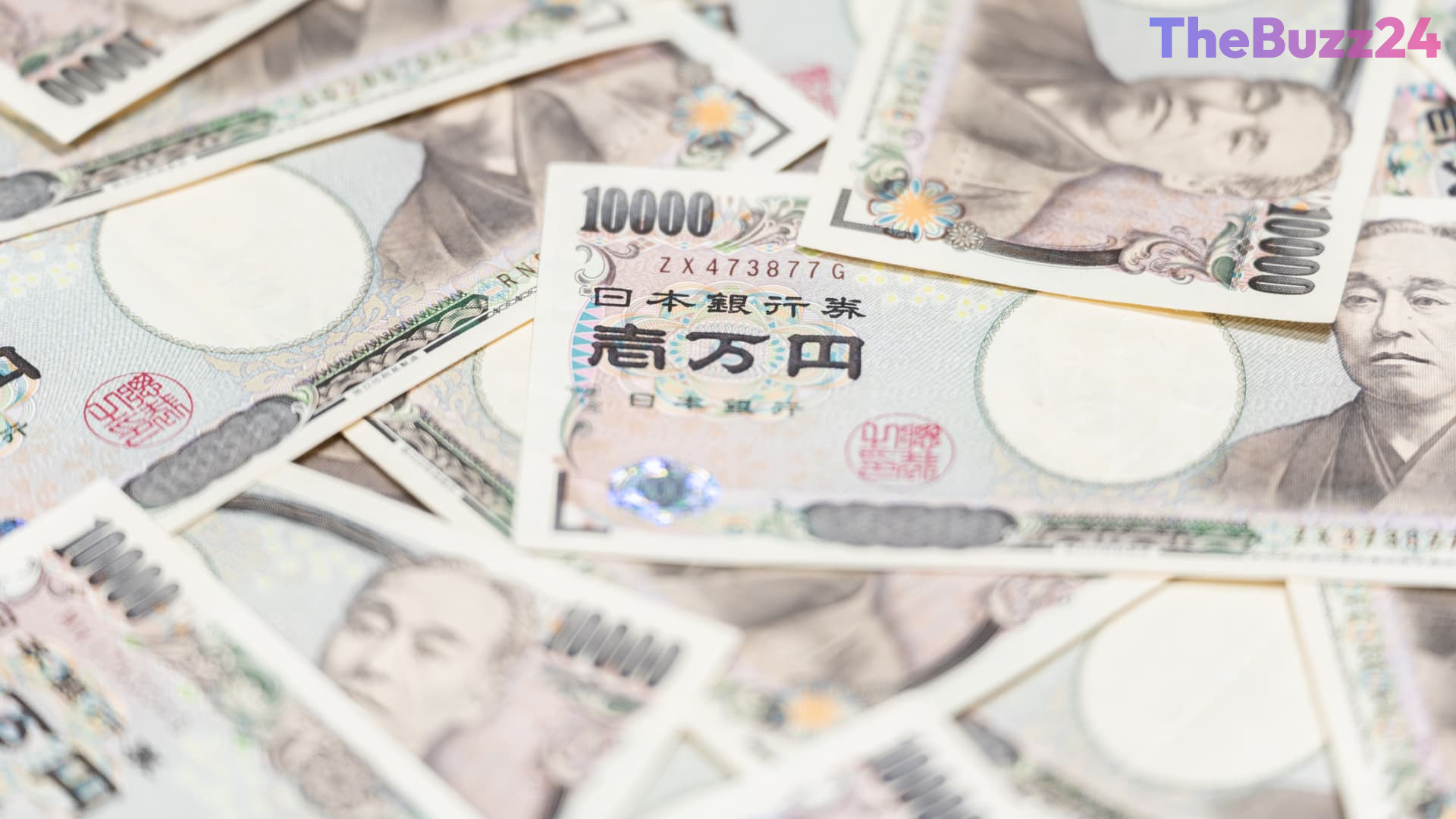
U.S. and Japan Join Forces in Rare Currency Intervention to Stabilize the Yen
In a rare joint effort to combat extreme currency volatility, financial authorities from the United States and Japan executed a coordinated yen-buying operation. The decisive action came on the heels of the Japanese yen plunging to a four-decade low against the dollar, reaching 163.73 before recovering slightly following the market intervention. Representatives from both nations emphasized their ongoing collaboration and expressed readiness to take further action if disorderly market conditions persist.
The intervention was executed under previously established frameworks between the Japanese Finance Ministry and the U.S. Treasury, aimed specifically at curbing excessive speculation and smoothing out sharp currency swings. Following the operation, the yen strengthened significantly, trading around the 157.70 range against the greenback. Leadership from both countries reiterated that maintaining currency stability is vital for broader economic health, while also signaling that future collaborative measures remain firmly on the table.
While the joint effort provided immediate relief to the Japanese currency, market analysts continue to debate the long-term implications of the tactical approach used. Observers noted specific operational details—such as the mechanics of the foreign exchange execution—sparking discussions among economists regarding the future efficacy of global central bank interventions. Nonetheless, the unified front demonstrated by Washington and Tokyo underscores a strong diplomatic and economic commitment to addressing systemic currency imbalances.
Key Takeaways
- The U.S. Treasury and Japan's Finance Ministry conducted a rare coordinated yen-buying intervention to combat extreme currency volatility.
- The yen had recently touched its weakest level against the dollar in approximately four decades before recovering following the joint action.
- Both nations have signaled that they remain in close communication and will not hesitate to execute further interventions if necessary.
Editor’s Analysis & Impact
The recent joint currency intervention by the U.S. Treasury and Japan’s Finance Ministry marks a significant pivot in bilateral monetary cooperation, highlighting a shared intolerance for disorderly market conditions and multi-decade currency extremes. By stepping in to bolster the yen, Washington and Tokyo have not only provided immediate psychological and liquidity relief to Japanese markets but have also sent a powerful signal to speculators. However, the operational nuances of the intervention—particularly discussions surrounding the funding mechanisms utilized—have sparked intense debate among macroeconomic analysts. While the near-term effect successfully curbed rapid depreciation, the long-term success of such joint interventions hinges on sustained fundamental economic shifts and clear communication from central banks. As global markets navigate persistent inflationary pressures and shifting interest rate expectations, this coordinated move sets a precedent for future cross-border monetary diplomacy and underscores the delicate balance required to manage sovereign currency valuations in an interconnected global economy.
Frequently Asked Questions
Q: Why did the U.S. and Japan intervene in the foreign exchange market?
A: The authorities intervened to combat excessive volatility and disorderly movements after the Japanese yen fell to its weakest level against the dollar in roughly four decades.
Q: What was the immediate impact of the intervention on the yen?
A: Following the coordinated yen-buying operation, the Japanese currency strengthened from a low of 163.73 per dollar to stabilize around the 157.57 to 157.70 range.
Q: Will there be future joint interventions by the U.S. and Japan?
A: Both nations have explicitly stated that they remain in close communication and will not hesitate to conduct further coordinated actions if market conditions warrant them.
AI Disclosure: This article is based on verified data and official reports. Our Team and AI have cross-referenced every financial detail with primary sources to ensure total accuracy.
More from this Category