U.S. and Japan Unveil Joint Intervention to Halt Yen’s Historic Slide
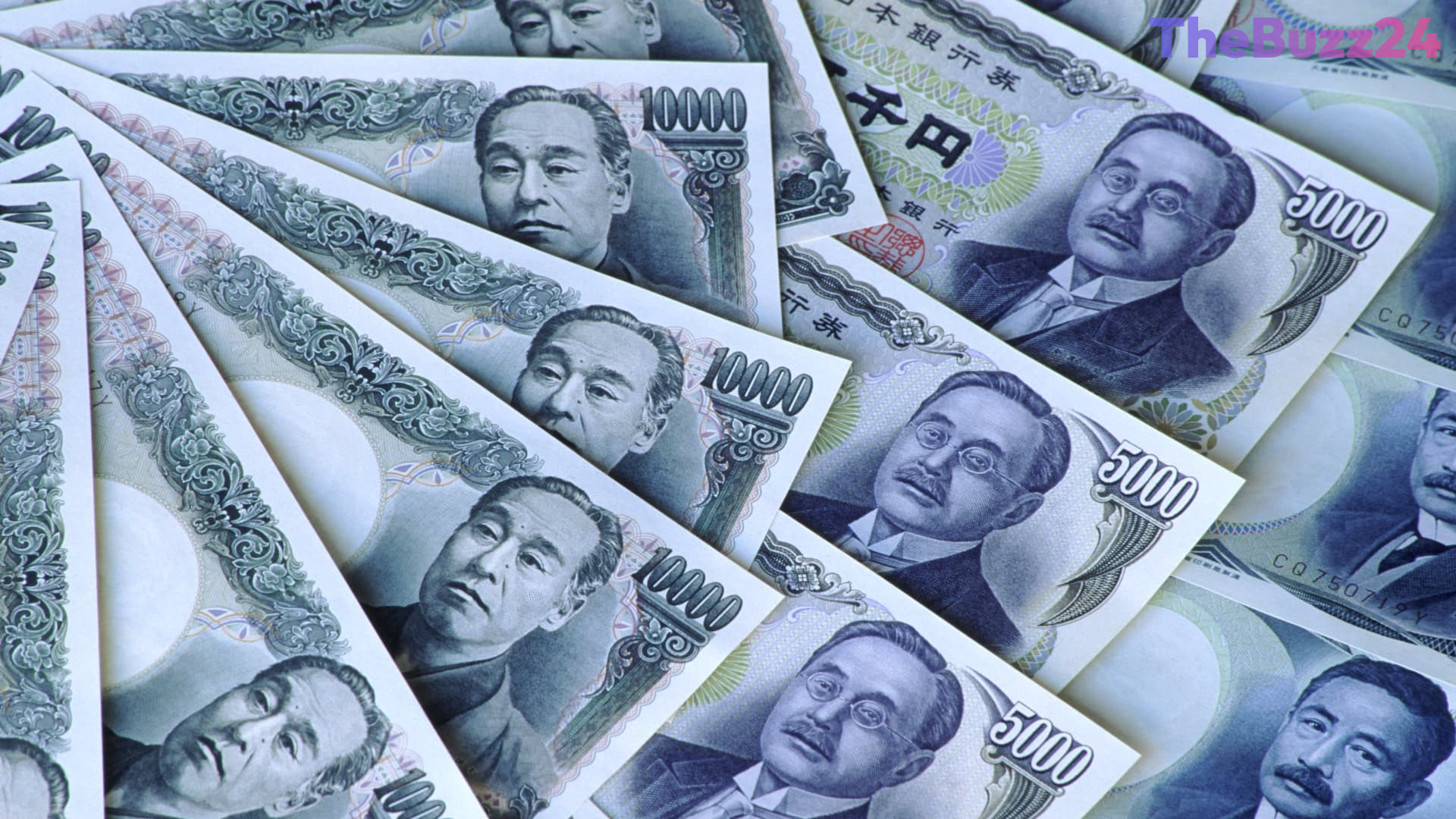
Tokyo and Washington have initiated a coordinated effort to counter the Japanese yen’s significant depreciation, which has seen the currency reach its lowest levels in four decades. Japanese Finance Minister Satsuki Katayama is expected to formally announce this joint action, underscoring a shared determination by both nations to address what they perceive as excessive declines in the yen’s value.
This anticipated announcement follows what appears to be a series of yen-buying interventions by both Japanese and U.S. authorities in the currency market. This marks the first joint intervention of its kind since 2011, aimed at strengthening the Japanese currency against the dollar. Reports indicate that the Japanese government recently engaged in substantial yen purchases, with Bank of Japan data suggesting sales of nearly $59 billion to support the currency. The U.S. Treasury also reportedly advised banks to prepare for potential market actions, with Treasury Secretary Scott Bessent having noted the yen as “very undervalued.”
The yen’s prolonged weakness has largely been attributed to the widening interest rate differential between Japan and the United States. While the Bank of Japan has maintained an accommodative monetary policy, the U.S. Federal Reserve has adopted a more hawkish stance, leading to a stronger dollar. The coordinated intervention also reflects Washington’s concern over potential instability in U.S. bond markets, which could arise if Japan were forced to sell its vast holdings of U.S. Treasuries to fund unilateral yen support, thereby driving up U.S. yields.
Further signs of bilateral cooperation include the Japanese Ministry of Finance’s public statement on X, highlighting its access to a broad range of tools, including the Fed’s repurchase facility for temporary dollar liquidity. This mechanism allows Japan to secure dollar funding without directly selling U.S. Treasuries. Both nations are reportedly motivated by a shared interest in managing inflation risks and maintaining market stability, as articulated by officials like Atsushi Mimura, Japan’s top currency diplomat, and Economy Minister Minoru Kiuchi, who emphasized the importance of market trust in Japan’s fiscal health.
Key Takeaways
- Japan and the U.S. have launched their first joint currency intervention since 2011 to counter the yen's slide to 40-year lows.
- The intervention aims to stabilize the yen, which has weakened significantly due to the widening interest rate differential between the Bank of Japan and the U.S. Federal Reserve.
- U.S. involvement is partly driven by concerns that unilateral Japanese intervention could destabilize U.S. bond markets if Japan sold its Treasury holdings.
Editor’s Analysis & Impact
This joint currency intervention by Japan and the U.S. signals a significant escalation in efforts to stabilize the yen, which has been under considerable pressure. In the short term, this coordinated action is likely to provide a temporary boost to the yen, demonstrating a strong commitment from two major global economies. However, the long-term effectiveness will largely depend on the evolution of interest rate differentials and the Bank of Japan’s future monetary policy decisions. The U.S.’s involvement highlights the interconnectedness of global financial markets, particularly its concern over potential disruptions to its own bond market. This move could set a precedent for future international cooperation in managing currency volatility, especially as central banks navigate divergent monetary policies, and may influence investor sentiment towards other currencies facing similar pressures.
Frequently Asked Questions
Q: Why is the yen weakening?
A: The yen's depreciation is primarily due to the significant interest rate differential between Japan and the U.S., where the Bank of Japan has maintained low rates while the Federal Reserve has adopted a more hawkish monetary policy, making the dollar more attractive.
Q: What is 'joint currency intervention'?
A: Joint currency intervention occurs when two or more central banks or finance ministries coordinate to buy or sell a currency in the open market to influence its exchange rate. In this instance, Japan and the U.S. are jointly buying yen to strengthen its value against other currencies, particularly the dollar.
Q: Why is the U.S. involved in supporting the yen?
A: The U.S. is involved partly due to concerns that if Japan were to unilaterally sell a large portion of its U.S. Treasury holdings to fund yen intervention, it could destabilize the U.S. bond market and potentially drive up U.S. interest rates, impacting its own economy.
AI Disclosure: This article is based on verified data and official reports. Our Team and AI have cross-referenced every financial detail with primary sources to ensure total accuracy.
More from this Category