U.S. and Venezuela Forge Historic Energy Pact Following Leadership Transition
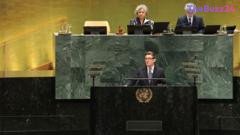
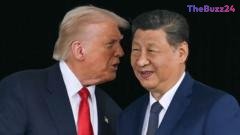
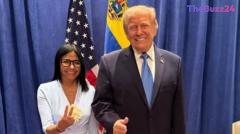
In a significant diplomatic development at the United Nations General Assembly, President Donald Trump held his first face-to-face meeting with Venezuela’s interim President, Delcy Rodríguez. The encounter marks a pivotal shift in bilateral relations following the recent U.S.-led intervention in Caracas, which resulted in the detention of former leader Nicolás Maduro. Maduro is currently being held in a New York facility, awaiting trial on charges including drug trafficking.
The meeting, which included U.S. Secretary of State Marco Rubio and White House Chief of Staff Susie Wiles, focused on establishing a new framework for cooperation. Central to these discussions is a landmark agreement that grants U.S.-led entities 100-year concessions over 17 major oilfields. This deal effectively places over 65 billion barrels of Venezuelan crude—representing more than 20% of the nation’s total reserves—under U.S. operational control.
President Trump has characterized the arrangement as the most significant oil agreement in history, emphasizing the strategic consolidation of energy resources. During his UN address, he noted that the combined influence of the two nations now accounts for over 60% of global oil control. While the interim government under Rodríguez moves forward with this agenda, the domestic political landscape remains complex, with prominent opposition figures like Maria Corina Machado currently barred from re-entering the country.
Key Takeaways
- President Trump and interim Venezuelan President Delcy Rodríguez met to solidify a massive new energy cooperation agreement.
- The deal grants U.S.-led companies 100-year concessions over 17 Venezuelan oilfields, involving 65 billion barrels of reserves.
- Former leader Nicolás Maduro remains in U.S. custody in New York, awaiting trial on drug trafficking and other criminal charges.
Editor’s Analysis & Impact
The meeting between President Trump and Delcy Rodríguez signals a radical realignment of Western Hemisphere energy geopolitics. By securing long-term concessions over a significant portion of Venezuela’s vast oil reserves, the U.S. has effectively neutralized a long-standing geopolitical adversary while simultaneously bolstering its own energy security and global market influence. This ‘spoils of war’ approach to international relations marks a departure from traditional diplomatic norms, prioritizing resource control and strategic alignment. Moving forward, the stability of this arrangement will depend on the interim government’s ability to maintain domestic order and the international community’s reaction to the consolidation of such a massive percentage of global oil reserves under a single sphere of influence. The long-term implications for global energy pricing and the future of Venezuelan sovereignty remain significant points of concern for international observers.
Frequently Asked Questions
Q: What is the nature of the new oil agreement between the U.S. and Venezuela?
A: The agreement grants U.S.-led companies 100-year concessions over 17 oilfields in Venezuela, covering more than 65 billion barrels of oil.
Q: What is the current status of former Venezuelan President Nicolás Maduro?
A: Nicolás Maduro is currently detained in a New York jail, where he is awaiting trial on charges related to drug trafficking.
AI Disclosure: This article is based on verified data and official reports. Our Team and AI have cross-referenced every financial detail with primary sources to ensure total accuracy.
More from this Category