U.S. Naval Blockade Initiated in Strait of Hormuz Following Failed Nuclear Negotiations
The United States has officially commenced a naval blockade of the Strait of Hormuz, a critical global oil chokepoint, in a major escalation of geopolitical tensions with Iran. The operation, which began at 10 a.m. ET, is intended to pressure Tehran into abandoning its nuclear weapons program and to secure international maritime shipping lanes. This move follows the breakdown of high-level peace negotiations in Pakistan, where diplomatic efforts led by Vice President JD Vance failed to produce a breakthrough regarding Iran’s nuclear ambitions.
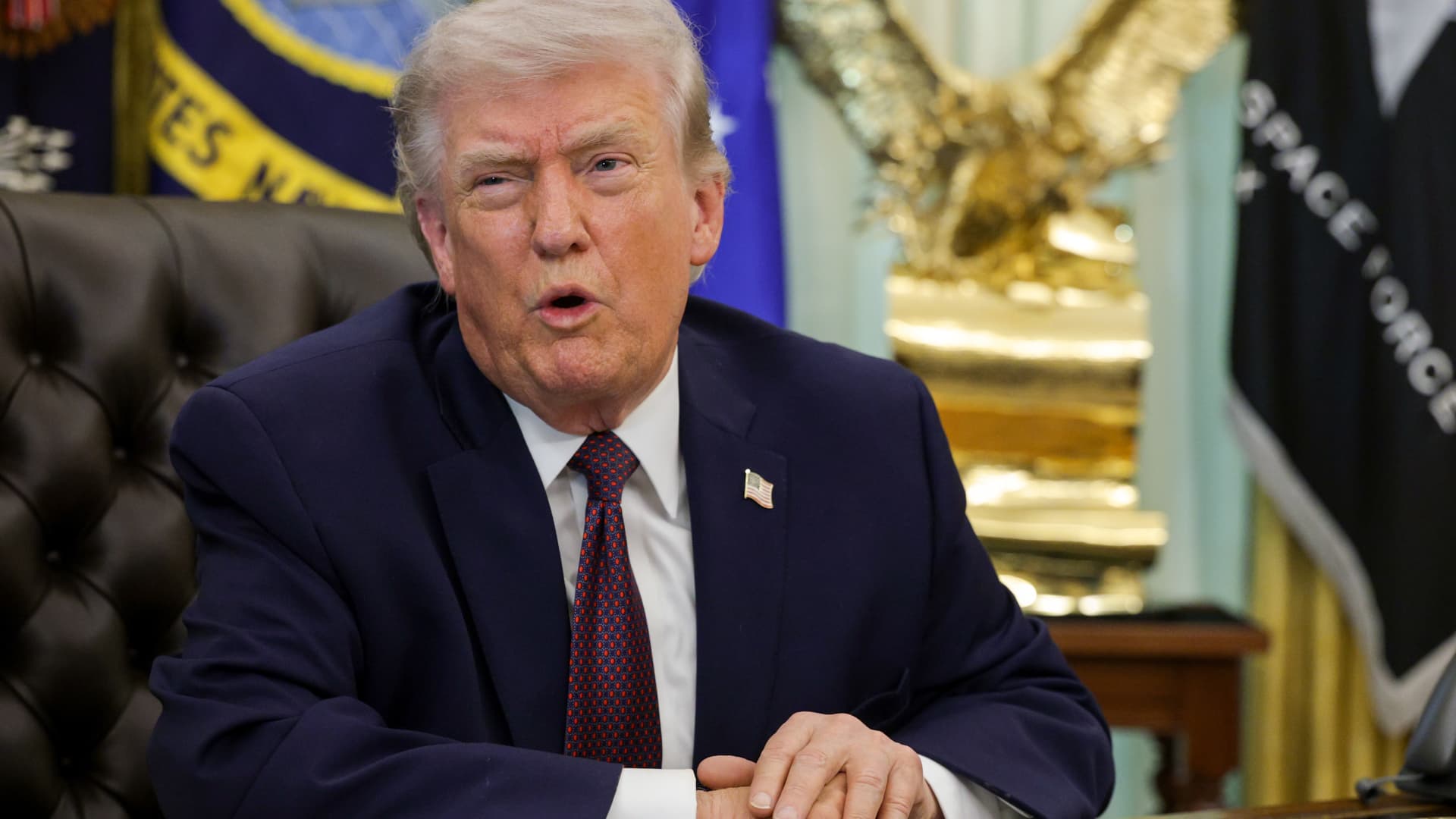
President Donald Trump has framed the blockade as a necessary measure to prevent what he describes as Iranian attempts to extort the global community. While the administration maintains that the blockade is designed to restrict traffic to and from Iranian ports, it has explicitly stated that freedom of navigation will be preserved for vessels transiting to non-Iranian destinations. However, the President issued a stern warning to Iranian naval forces, stating that any fast-attack vessels approaching the blockade zone would be met with immediate force.
Despite the U.S. push for a coalition, several key international allies, including Britain and France, have opted not to participate in the enforcement of the blockade. Iranian officials have responded with defiance, warning that the disruption of maritime traffic will inevitably lead to a sharp increase in global energy costs. Parliamentary speaker Mohammad Bagher Ghalibaf suggested that the current standoff will likely result in significantly higher fuel prices for consumers worldwide, highlighting the potential for severe economic repercussions as the situation in the Middle East remains volatile.
Key Takeaways
- The U.S. has initiated a targeted naval blockade of the Strait of Hormuz following the collapse of nuclear talks in Pakistan.
- The blockade aims to restrict Iranian maritime traffic while allowing non-Iranian commercial shipping to continue through the region.
- Iranian officials have warned that the blockade will trigger a significant surge in global oil and gas prices.
Editor’s Analysis & Impact
The implementation of a naval blockade in the Strait of Hormuz represents a significant shift in U.S. foreign policy, moving from diplomatic engagement to direct maritime interdiction. By targeting the primary artery for global oil transit, the U.S. is leveraging economic pressure to force a change in Iran’s nuclear posture. The market impact is likely to be immediate and severe, as the Strait of Hormuz is responsible for a substantial percentage of the world’s daily oil supply. Investors should anticipate heightened volatility in energy markets and potential supply chain disruptions. Furthermore, the lack of support from key NATO allies suggests a growing rift in Western diplomatic unity, which could complicate long-term efforts to contain regional instability and may embolden Iran to seek alternative alliances or retaliatory measures in the energy sector.
Frequently Asked Questions
Q: Does the U.S. blockade prevent all ships from passing through the Strait of Hormuz?
A: No. The U.S. Central Command has clarified that the blockade is specifically targeted at vessels entering or departing from Iranian ports and coastal areas; international shipping to non-Iranian ports is intended to remain unaffected.
Q: Why did the U.S. decide to implement this blockade now?
A: The action follows the recent collapse of peace negotiations in Pakistan, where discussions stalled over Iran's refusal to commit to halting its nuclear weapons development.
AI Disclosure: This article is based on verified data and official reports. Our Team and AI have cross-referenced every financial detail with primary sources to ensure total accuracy.
More from this Category