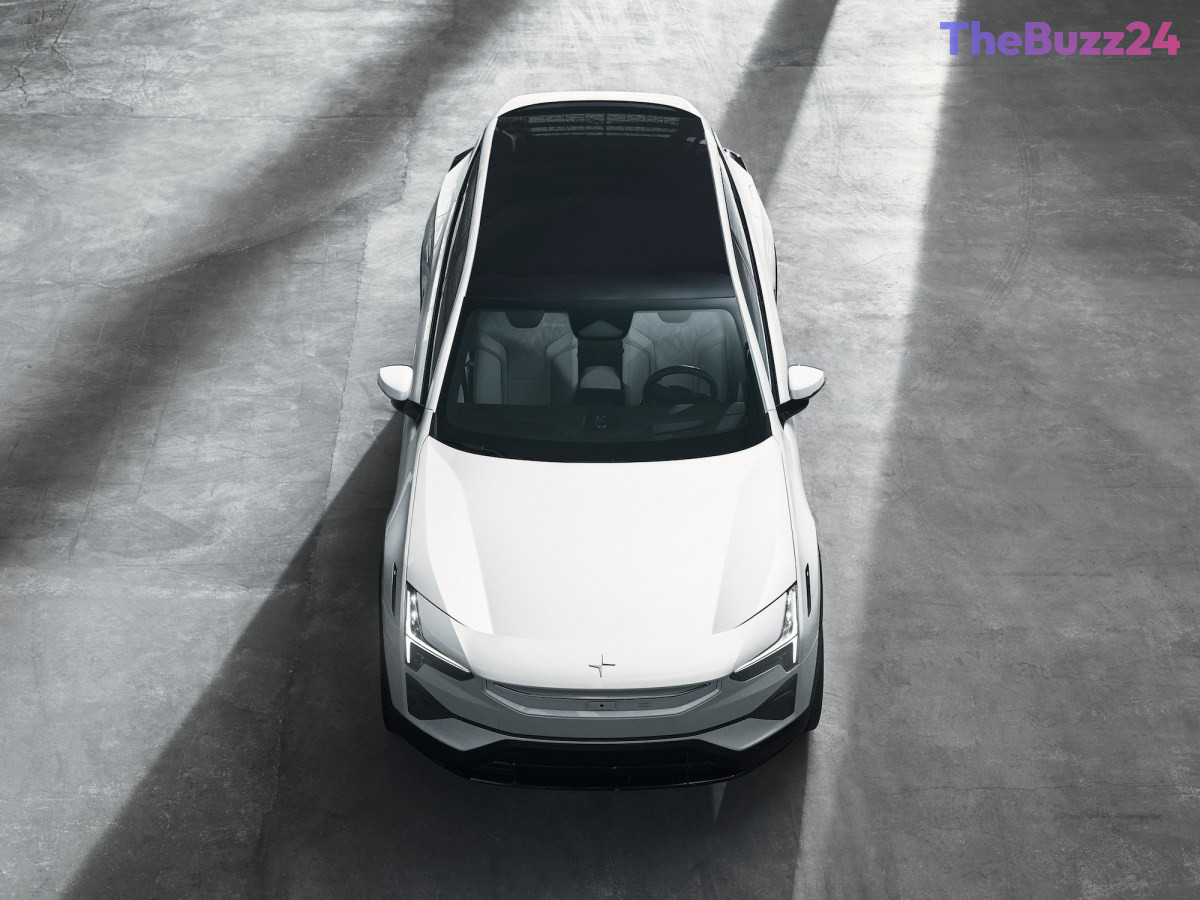
U.S. Commerce Department Blocks New Polestar EV Sales Over Connected Vehicle Restrictions
The U.S. Department of Commerce has officially denied authorization for Swedish electric vehicle manufacturer Polestar to sell its new models within the United States. The decision stems from the administration’s “Connected Vehicle Rule,” which imposes strict limitations on the sale of vehicles integrated with Chinese software or hardware components. As a brand under the umbrella of the Chinese automotive conglomerate Geely, Polestar had sought a special exemption to continue its expansion in the American market.
Despite the regulatory setback, Polestar confirmed that it will maintain sales of its current inventory, specifically the Polestar 3 and Polestar 4 models already present in the country. The company has pledged to uphold its commitment to existing U.S. customers, ensuring that its service network remains fully operational for maintenance and support. However, the ruling marks a significant shift in the company’s regional strategy.
In response to the ban, Polestar highlighted that the vast majority of its retail volume—approximately 94% during the first quarter of 2026—is generated outside of the United States. Consequently, the automaker is pivoting its long-term growth strategy to prioritize European markets. This development is particularly notable given that Volvo, a sibling company also owned by Geely, was granted authorization to continue its U.S. operations just months prior, highlighting the complex and case-specific nature of the current administration’s trade and technology policies.
Key Takeaways
- The U.S. Department of Commerce has denied Polestar authorization to sell new electric vehicles due to the 'Connected Vehicle Rule' regarding Chinese technology.
- Polestar will continue to support existing U.S. customers and sell current inventory, but will shift its strategic focus toward European markets.
- The ruling creates a divergence in treatment between Polestar and its sibling company, Volvo, which previously received authorization to continue U.S. sales.
Editor’s Analysis & Impact
The exclusion of Polestar from the U.S. market underscores the escalating tension between national security concerns and the globalized automotive supply chain. By targeting ‘connected’ software and hardware, the U.S. government is effectively setting a new precedent for how foreign-owned automakers must decouple their digital ecosystems from Chinese infrastructure to participate in the American market. This move forces a strategic pivot for Polestar, which must now rely heavily on European demand to offset the loss of U.S. growth potential. The disparity in treatment between Polestar and Volvo suggests that the administration is conducting rigorous, granular audits of corporate structures and supply chains, rather than applying blanket bans. Moving forward, other international manufacturers with deep ties to Chinese technology will likely face similar regulatory hurdles, potentially leading to a fragmented global EV market where software compliance becomes as critical as vehicle performance.
Frequently Asked Questions
Q: Can Polestar still service its existing vehicles in the U.S.?
A: Yes, Polestar has confirmed that it will continue to support its U.S. customers and maintain its service network for existing vehicles.
Q: Why was Polestar barred from selling new vehicles in the U.S.?
A: The U.S. Department of Commerce denied the authorization based on the 'Connected Vehicle Rule,' which restricts the sale of vehicles containing specific Chinese software or hardware components.
AI Disclosure: This article is based on verified data and official reports. Our Team and AI have cross-referenced every financial detail with primary sources to ensure total accuracy.
More from this Category