U.S. Escalates Economic Pressure on Iran with New Banking Sanctions
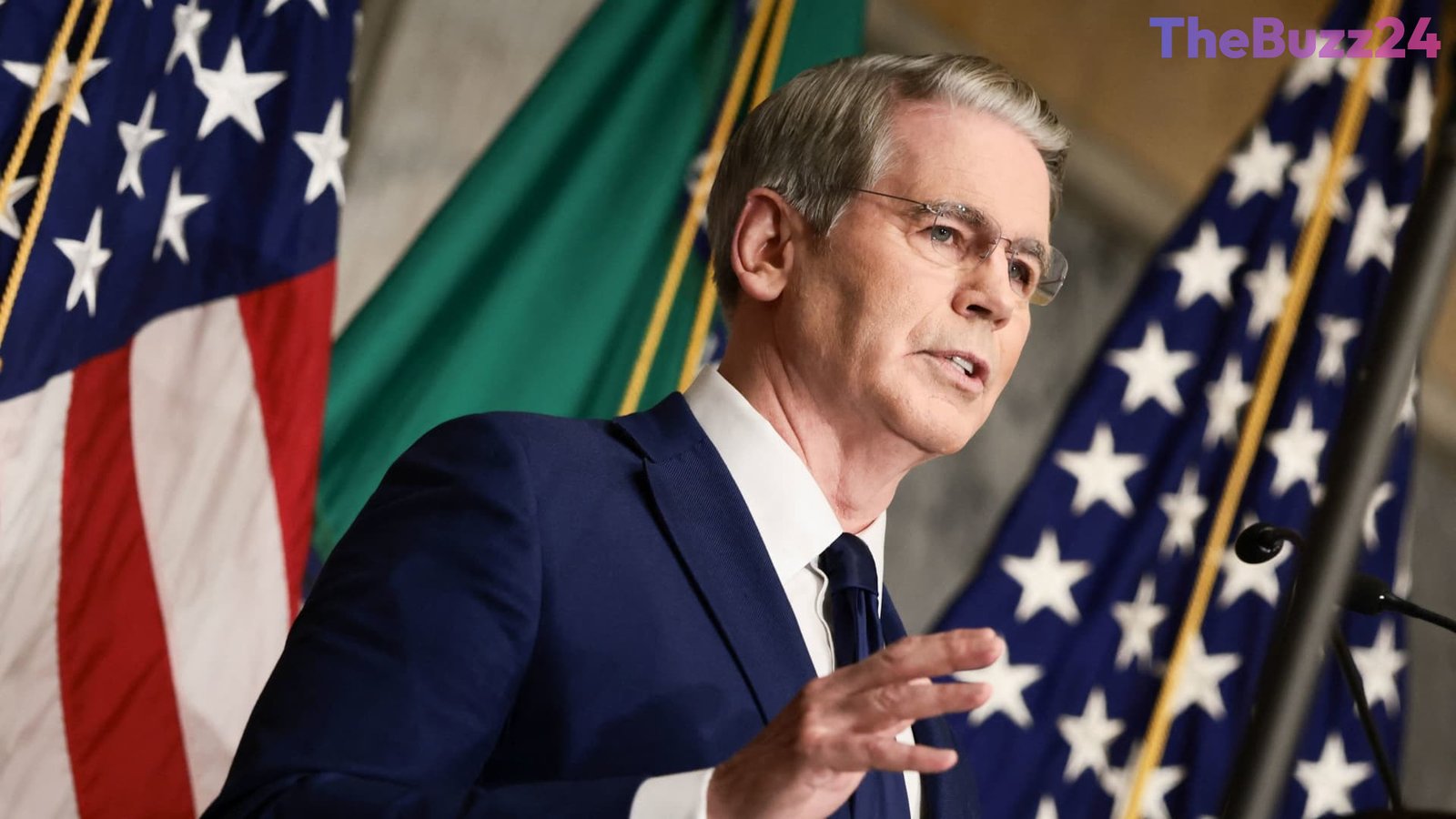
The U.S. Treasury Department is preparing to impose fresh sanctions on an additional bank this week as part of a broader strategy to economically isolate Iran. Treasury Secretary Scott Bessent emphasized that the administration is prepared to utilize aggressive financial measures to curb Iranian activities, stating that the government is actively identifying and targeting entities facilitating transactions with the nation.
This move comes as the administration shifts its focus from direct military engagement to a campaign of intense economic pressure. While the U.S. recently conducted military strikes against Iranian rocket launchers near the Strait of Hormuz, officials are increasingly prioritizing financial isolation to achieve their geopolitical objectives. The Treasury has already initiated a rulemaking process aimed at restricting the Emirati branches of Banque Misr from accessing the U.S. financial system, signaling a tightening of oversight on international banking channels.
Diplomatic efforts are also underway at the G20 summit in Asheville, North Carolina, where Secretary Bessent is engaging with global counterparts to build a coalition against Iranian influence. A significant point of contention remains the role of China, Iran’s primary trading partner and oil buyer. While the administration has signaled that all options, including potential sanctions, remain on the table regarding Beijing’s continued trade with Tehran, officials maintain that both nations share common interests in regional stability and nuclear non-proliferation.
Key Takeaways
- The U.S. Treasury is set to sanction another bank as part of a campaign to economically isolate Iran.
- The administration is pivoting toward 'financial violence' and economic pressure over direct military strikes.
- Diplomatic discussions at the G20 are focusing on curbing Iranian trade, with potential sanctions on major partners like China still under consideration.
Editor’s Analysis & Impact
The U.S. administration’s pivot toward ‘financial warfare’ represents a calculated attempt to achieve regime-level pressure without the political and human costs of sustained military conflict. By targeting the banking infrastructure that facilitates Iranian trade, the Treasury is attempting to create a ‘chilling effect’ on global financial institutions that might otherwise engage with Tehran. However, the strategy faces significant hurdles, particularly regarding China. Sanctioning Beijing would risk a massive escalation in global trade tensions and could destabilize the very markets the U.S. seeks to protect. The future outlook suggests a high-stakes game of brinkmanship where the U.S. must balance the efficacy of financial isolation against the risk of alienating key global economic partners, potentially leading to a fragmented global financial system if secondary sanctions become the new standard.
Frequently Asked Questions
Q: Why is the U.S. targeting banks in its campaign against Iran?
A: The U.S. aims to cut off Iran's access to the global financial system, making it difficult for the country to conduct international trade and fund its operations.
Q: How does the U.S. plan to address China's role in trading with Iran?
A: Treasury officials have stated that all options are on the table, including potential sanctions, though they are currently prioritizing diplomatic engagement at the G20 to align interests.
AI Disclosure: This article is based on verified data and official reports. Our Team and AI have cross-referenced every financial detail with primary sources to ensure total accuracy.
More from this Category