U.S. Prosecutors Indict Former Cuban Leader Raúl Castro for 1996 Plane Downing
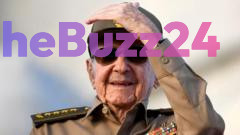
The United States government has formally filed criminal charges against former Cuban leader Raúl Castro, accusing him of murder and the destruction of aircraft in connection with a deadly 1996 incident. The charges relate to the downing of two civilian planes operated by the activist group Brothers to the Rescue, an event that occurred over international waters and resulted in the deaths of four individuals. At the time of the attack, Castro was the head of the Cuban armed forces.
The indictment, which was unsealed in a Miami federal court, lists multiple counts of murder against the 94-year-old former official. While the charges carry the possibility of life imprisonment or the death penalty, U.S. officials have acknowledged that significant legal and diplomatic barriers make the extradition of the former leader highly improbable. Nevertheless, the filing is being presented as a symbolic and definitive commitment to seeking justice for the victims, regardless of the decades that have passed since the tragedy.
In response to the legal action, the Cuban government has dismissed the indictment as a politically motivated maneuver. President Miguel Díaz-Canel and other officials in Havana maintain that the 1996 military action was a legitimate exercise of self-defense within their territorial jurisdiction. This development adds a new layer of complexity to the already strained relationship between Washington and Havana, potentially complicating future diplomatic efforts and existing economic sanctions.
Political analysts and legal experts are split on the long-term consequences of this move. For the Cuban-American community, the indictment represents a long-awaited step toward accountability. However, some observers suggest that the move may harden the Cuban government’s stance against future diplomatic engagement. With an active arrest warrant now in place, the incident remains a permanent and contentious fixture in the bilateral history of the two nations.
Key Takeaways
- Raúl Castro has been indicted in the U.S. on murder and aircraft destruction charges related to a 1996 incident.
- The incident involved the downing of two civilian aircraft belonging to the activist group Brothers to the Rescue, killing four people.
- While an arrest warrant has been issued, extradition remains unlikely due to the absence of an extradition treaty and ongoing diplomatic tensions.
Editor’s Analysis & Impact
The indictment of Raúl Castro marks a strategic shift in how the U.S. addresses historical grievances with the Cuban leadership. By utilizing the federal court system, the U.S. is signaling that state-sponsored actions against its citizens will not be forgotten, even decades later. From a geopolitical perspective, this move likely freezes any potential for near-term diplomatic thawing, as it forces the Cuban regime into a defensive posture. The broader implication is a hardening of the status quo, where legal warfare becomes a primary tool in the absence of traditional diplomatic progress. Future relations will likely remain strained, with this indictment serving as a permanent barrier to normalization, while simultaneously setting a precedent for how the U.S. may pursue foreign officials for past human rights violations.
Frequently Asked Questions
Q: What are the primary charges brought against Raúl Castro?
A: Raúl Castro has been charged with multiple counts of murder and the destruction of aircraft in connection with the 1996 downing of two civilian planes.
Q: Why is the extradition of Raúl Castro considered unlikely?
A: Extradition is considered highly improbable due to the lack of an extradition treaty between the U.S. and Cuba, as well as the significant political and diplomatic barriers between the two nations.
AI Disclosure: This article is based on verified data and official reports. Our Team and AI have cross-referenced every financial detail with primary sources to ensure total accuracy.
More from this Category