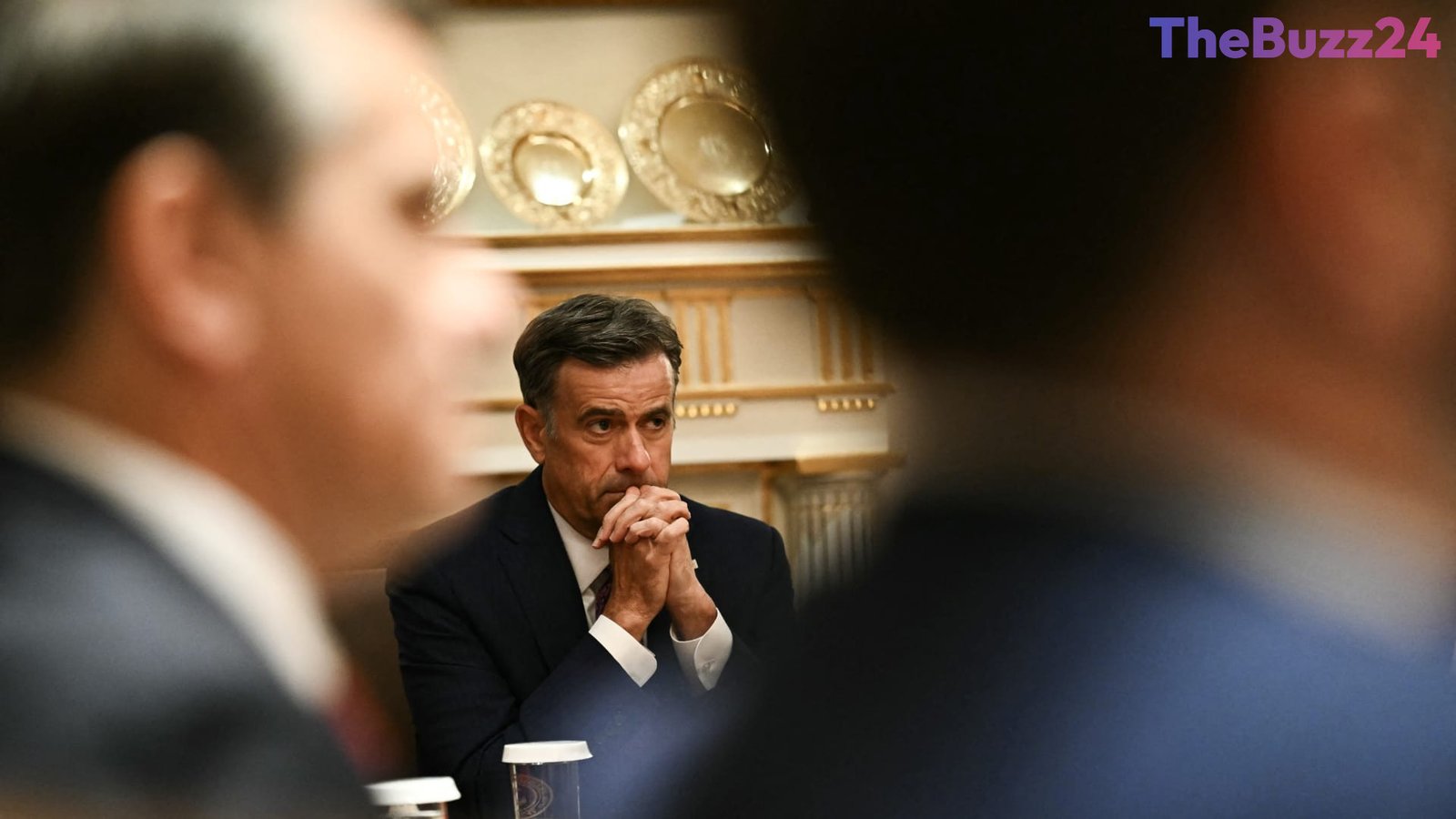
U.S. Intelligence Chief’s Covert Moscow Trip: A Warning on NATO and Iran Amid Escalating Tensions
The Director of the U.S. Central Intelligence Agency, John Ratcliffe, reportedly undertook an unannounced visit to Moscow this week, delivering a stern warning to Russia against any potential aggression towards NATO. This high-stakes diplomatic maneuver unfolded amidst growing international concerns over the intensifying conflict in Ukraine and fears of broader regional escalation.
The purpose of Ratcliffe’s secretive journey to the Russian capital became apparent after a U.S. Air Force jet was observed landing in Moscow, followed by social media footage of a diplomatic motorcade. Beyond the primary message concerning NATO, the intelligence chief also reportedly addressed the situation with Iran, cautioning Moscow about potential additional sanctions if the strategically vital Strait of Hormuz remains closed to shipping. This comes as the U.S. administration has threatened secondary sanctions against Iran’s trading partners, including China, the United Arab Emirates, and Turkey, as part of a broader economic pressure campaign.
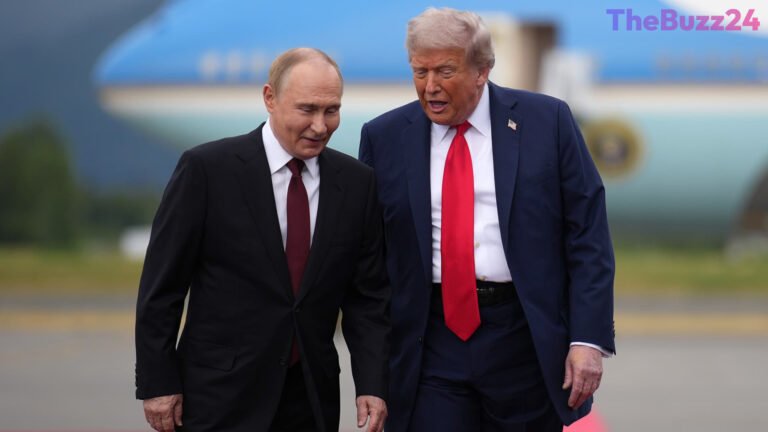
U.S. President Donald Trump characterized Ratcliffe’s meeting with Russian intelligence officials as “semi-routine,” expressing hope that the visit might contribute to ending the Russia-Ukraine conflict. Conversely, Kremlin spokesperson Dmitry Peskov confirmed that contacts between intelligence services took place but stated that Ratcliffe did not meet with Russian President Vladimir Putin, declining to elaborate on the specific topics discussed.
The visit underscores the escalating geopolitical landscape, particularly as Russia and Ukraine have intensified long-range drone and missile strikes. Ukrainian President Volodymyr Zelenskyy has voiced concerns that Russian President Vladimir Putin is preparing to escalate the war further, urging international partners to increase sanctions pressure on Moscow and provide Kyiv with enhanced air defense capabilities. Analysts view Ratcliffe’s trip as a significant, albeit unusual, channel of communication, highlighting the urgent need for dialogue amid rising hybrid attacks against Europe and the potential for the conflict to enter a more dangerous phase.
Key Takeaways
- CIA Director John Ratcliffe made an unannounced trip to Moscow to warn Russia against attacking NATO.
- The visit also included discussions on Iran, with a warning of potential sanctions if the Strait of Hormuz remains closed.
- The high-level communication occurred amid escalating drone and missile strikes in the Russia-Ukraine conflict and fears of broader regional escalation.
Editor’s Analysis & Impact
The unannounced visit by the U.S. intelligence chief to Moscow represents a critical, albeit covert, diplomatic channel in a period of heightened global tension. This direct communication signals the gravity with which the U.S. views potential Russian actions against NATO and the ongoing situation in the Middle East. While such visits are rare, they indicate a desire to de-escalate or at least clarify red lines outside of traditional diplomatic forums. The dual focus on Ukraine/NATO and Iran highlights the interconnectedness of these geopolitical flashpoints. The market and industry implications are primarily in the energy sector, given the Strait of Hormuz’s importance, and in defense, as the specter of NATO conflict could spur increased spending and re-evaluation of supply chains. The future outlook remains uncertain, but the visit suggests a continued, albeit tense, engagement between major powers to manage complex global crises.
Frequently Asked Questions
Q: What was the primary purpose of CIA Director John Ratcliffe's trip to Moscow?
A: The primary purpose of John Ratcliffe's unannounced visit to Moscow was to deliver a warning to Russia against any potential attacks on NATO member states.
Q: Did the visit address any other significant international issues?
A: Yes, in addition to the NATO warning, the U.S. intelligence chief also reportedly discussed Iran, cautioning Russia about the possibility of further sanctions if the Strait of Hormuz remains closed to shipping traffic.
Q: How did U.S. and Russian officials react to the news of the visit?
A: U.S. President Donald Trump described the meeting as 'semi-routine' and expressed hope for an end to the Russia-Ukraine war. Kremlin spokesperson Dmitry Peskov confirmed that contacts between intelligence services took place but stated that Ratcliffe did not meet with President Vladimir Putin.
AI Disclosure: This article is based on verified data and official reports. Our Team and AI have cross-referenced every financial detail with primary sources to ensure total accuracy.
More from this Category