U.S. Mobilizes Emergency Aid as Devastating Earthquakes Strike Venezuela
The United States has pledged a rapid deployment of humanitarian resources to Venezuela following a pair of catastrophic earthquakes that struck near the nation’s northern coast. The tremors, measuring magnitudes 7.2 and 7.5, caused widespread destruction in Caracas, leveling infrastructure and prompting acting President Delcy Rodriguez to declare a national state of emergency. Current reports indicate at least 164 fatalities and nearly 1,000 injuries, with international experts warning that the death toll could rise significantly given the scale of the structural collapse.
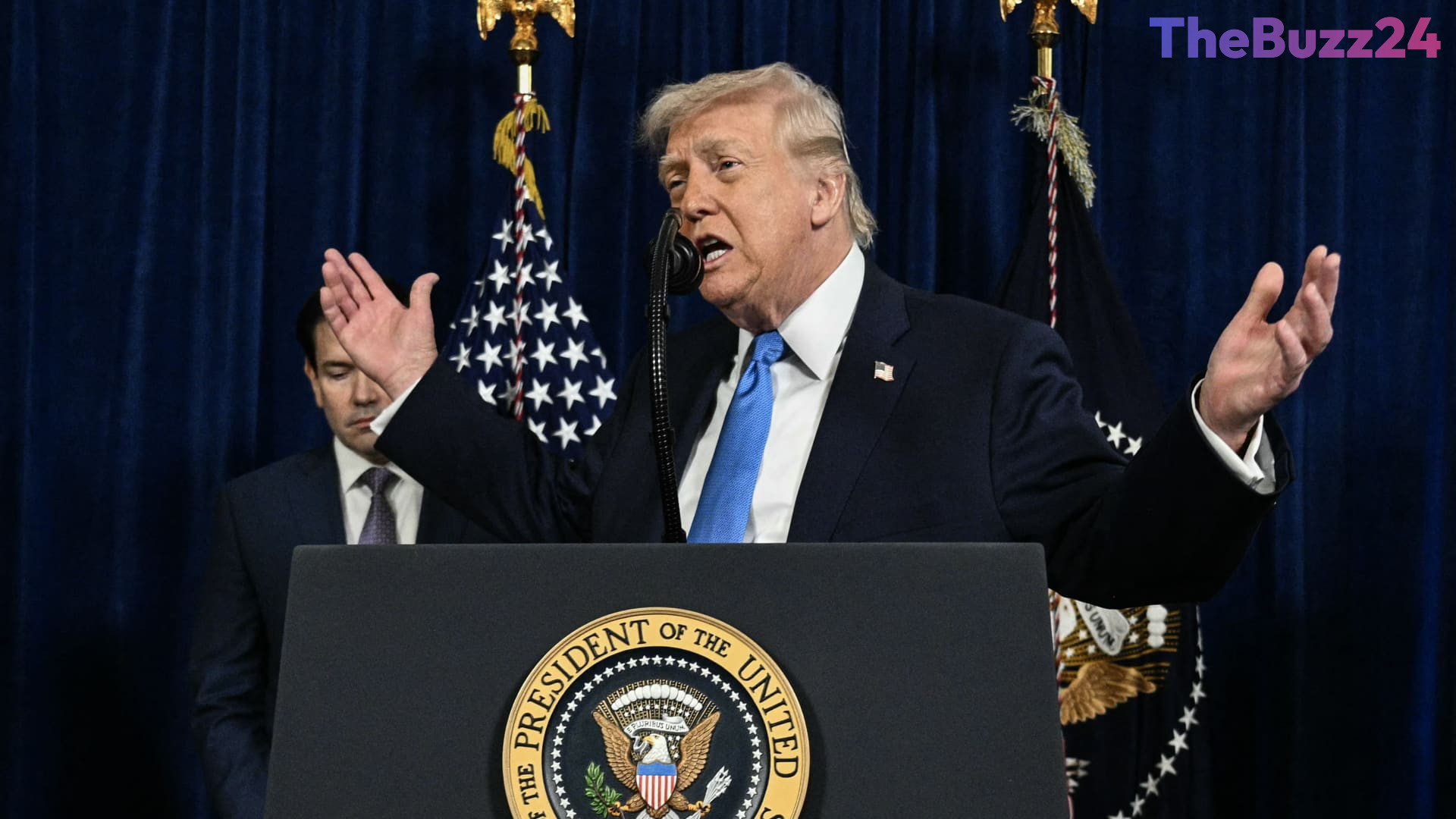
President Donald Trump confirmed the U.S. commitment to the relief effort, stating that federal agencies have been instructed to prepare for immediate intervention. The mobilization includes the dispatch of specialized search and rescue teams, medical supplies, and essential humanitarian aid. Secretary of State Marco Rubio noted that the Department of Defense is coordinating logistical support, particularly as damage to the Caracas airport has complicated the arrival of international relief efforts.
This disaster response marks a notable shift in diplomatic relations between Washington and the interim Venezuelan government. While the U.S. has maintained significant control over Venezuelan oil exports since the political transition earlier this year, this humanitarian crisis has necessitated a new level of cooperation. In addition to U.S. support, nations including China, Brazil, and Qatar have initiated aid shipments to assist in the recovery process.
Geological authorities have issued severe warnings regarding the long-term impact of the seismic event, noting that Venezuela sits on a highly active fault line where the Caribbean and South American plates converge. Beyond the immediate human cost, economic projections suggest the disaster could severely impact the nation’s GDP, potentially hindering ongoing stabilization efforts and the management of the country’s critical oil export infrastructure.
Key Takeaways
- A pair of powerful earthquakes measuring 7.2 and 7.5 magnitudes have caused significant casualties and infrastructure damage in Venezuela.
- The U.S. government is deploying search and rescue teams, medical supplies, and logistical support to assist in the disaster response.
- The disaster is expected to have a major economic impact, with projections suggesting a potential 7% decline in Venezuela's GDP.
Editor’s Analysis & Impact
The earthquake in Venezuela presents a complex intersection of humanitarian crisis and geopolitical maneuvering. From a market perspective, the potential 7% hit to Venezuela’s GDP, combined with the disruption of oil export infrastructure, creates significant volatility for regional energy markets. The U.S. decision to provide rapid aid serves as a strategic pivot, potentially strengthening the legitimacy of the interim government while simultaneously securing U.S. interests in the region’s oil supply chain. Looking forward, the success of this relief operation will likely dictate the future of diplomatic relations between Washington and Caracas. If the U.S. can effectively manage the logistics of this disaster, it may solidify its influence in the country; however, failure to provide adequate support could lead to further instability in a nation already struggling with political and economic transition.
Frequently Asked Questions
Q: What is the current death toll from the earthquakes in Venezuela?
A: As of the latest reports, at least 164 people have been confirmed dead, with 971 others injured.
Q: How is the U.S. government assisting in the relief efforts?
A: The U.S. is deploying search and rescue teams, medical supplies, and humanitarian resources, with the Department of Defense providing logistical support to overcome damage to local infrastructure.
AI Disclosure: This article is based on verified data and official reports. Our Team and AI have cross-referenced every financial detail with primary sources to ensure total accuracy.
More from this Category