Tech Titans Join Statecraft as US-China Summit Commences in Beijing
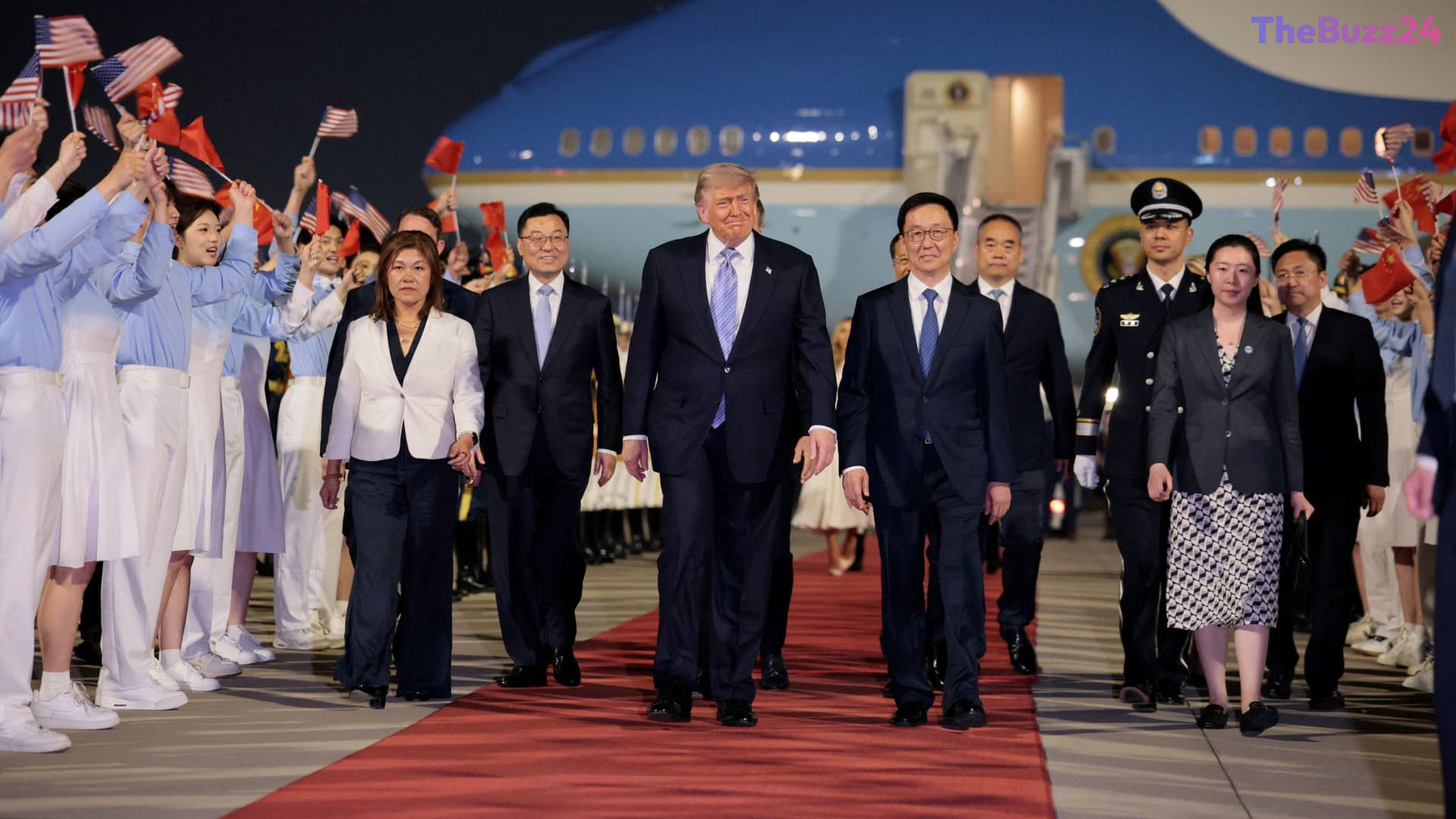
A pivotal diplomatic summit has officially commenced in Beijing, bringing together the leaders of the United States and China in an effort to navigate and potentially ease the mounting economic and security tensions between the world’s two largest economies. Following formal welcoming ceremonies, the high-level discussions between the U.S. President and Chinese President Xi Jinping are expected to chart a new course for bilateral relations, which have been strained by persistent geopolitical friction.
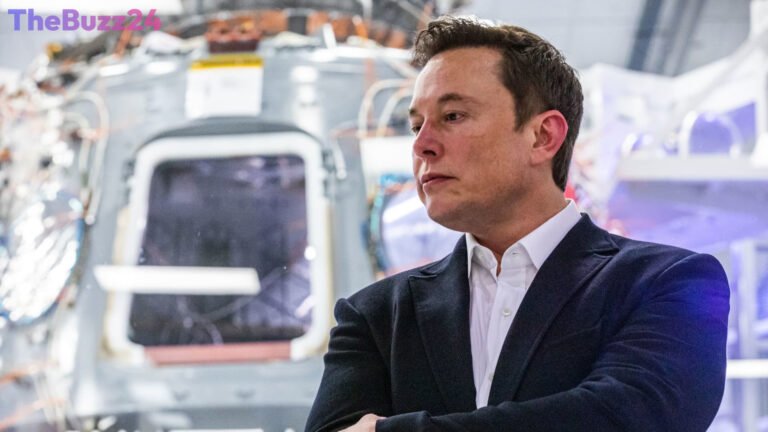
In a historic departure from traditional diplomacy, the official delegation features prominent figures from the private sector, most notably Tesla CEO Elon Musk and Nvidia CEO Jensen Huang. The inclusion of these high-profile technology executives signals a strategic shift in international relations, where industrial capabilities and technological innovation are directly integrated into statecraft. Their participation underscores how deeply intertwined national security and corporate technology have become in the modern era.
The summit’s extensive agenda addresses some of the most critical challenges facing the global economy. Key topics of discussion include establishing regulatory frameworks for artificial intelligence, managing ongoing trade tariffs, and securing critical supply chains, particularly for rare earth minerals essential to high-tech manufacturing. Additionally, the leaders are slated to address complex regional security concerns and broader global stability.
Global markets are keeping a close eye on the negotiations, looking for any signs of stabilization that could benefit industries ranging from aerospace to agriculture. While the primary goal of the meeting is to foster a more predictable trading environment, the ultimate success of the summit will depend on whether the two nations can find common ground on highly sensitive technological and territorial issues.
Key Takeaways
- The U.S. and China have launched high-stakes diplomatic talks in Beijing aimed at de-escalating economic and security tensions.
- Prominent tech executives, including Tesla's Elon Musk and Nvidia's Jensen Huang, are participating in the delegation, highlighting the rise of tech-focused diplomacy.
- The summit's agenda focuses on critical issues such as AI regulation, trade tariffs, rare earth mineral supply chains, and regional security.
Editor’s Analysis & Impact
The integration of tech leaders like Elon Musk and Jensen Huang into a major diplomatic summit represents a paradigm shift in global statecraft. It acknowledges that technological supremacy—particularly in artificial intelligence and semiconductor manufacturing—is now the primary battleground for geopolitical influence. By bringing corporate giants directly to the negotiating table, both nations are attempting to establish guardrails that prevent economic competition from devolving into outright conflict. If successful, this summit could stabilize critical supply chains and create standardized rules for AI development, offering relief to volatile global markets. However, deep-seated ideological differences and territorial disputes mean that while short-term stabilization is possible, the long-term relationship between the U.S. and China will likely remain a highly competitive, strategic rivalry.
Frequently Asked Questions
Q: What is the main objective of the Beijing summit?
A: The summit is designed to de-escalate growing economic and security tensions between the United States and China, aiming to establish a more stable and predictable framework for future bilateral relations.
Q: Why are technology executives like Elon Musk and Jensen Huang involved in these diplomatic talks?
A: Their involvement reflects the growing intersection of technology, national security, and global economics. By including leaders from Tesla and Nvidia, the delegation is leveraging private-sector expertise to address critical issues like AI development and supply chain security.
Q: What key economic issues are being discussed?
A: The discussions are heavily focused on the regulation of artificial intelligence, the management of trade tariffs, and securing supply chains for critical resources, specifically rare earth minerals.
AI Disclosure: This article is based on verified data and official reports. Our Team and AI have cross-referenced every financial detail with primary sources to ensure total accuracy.
More from this Category