U.S. Regulators Pivot to Agency-Led Crypto Oversight After Senate Stalls Clarity Act
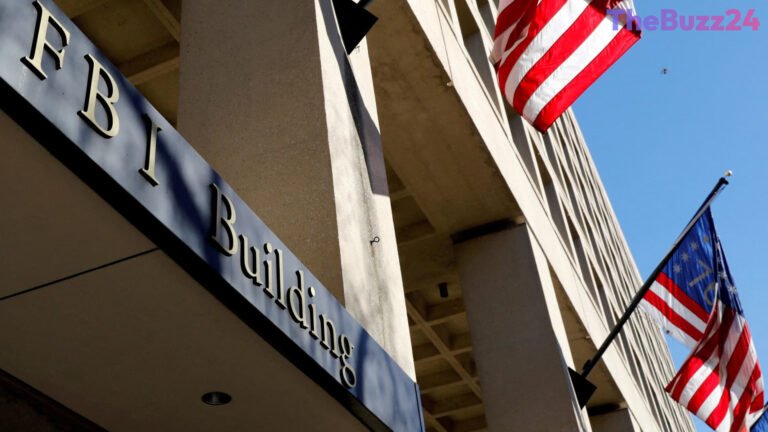
In the wake of a stalled legislative effort regarding the Clarity Act, federal and state financial regulators have quickly mobilized to establish digital asset oversight using their existing legal authorities. The legislative setback in the Senate prompted agencies like the Securities and Exchange Commission and the Commodity Futures Trading Commission to fast-track administrative frameworks, aiming to eliminate the regulatory ambiguity that has historically hindered traditional financial institutions from fully engaging with blockchain technology.
Following the failed Senate vote, the SEC advanced its agenda by introducing a temporary pathway for trading specific tokenized assets, signaling a potential shift toward continuous 24/7 financial markets. Simultaneously, the CFTC submitted a comprehensive crypto rulemaking proposal for executive review. These administrative maneuvers align with broader agency initiatives designed to modernize custody rules and align federal oversight of digital commodities and securities.
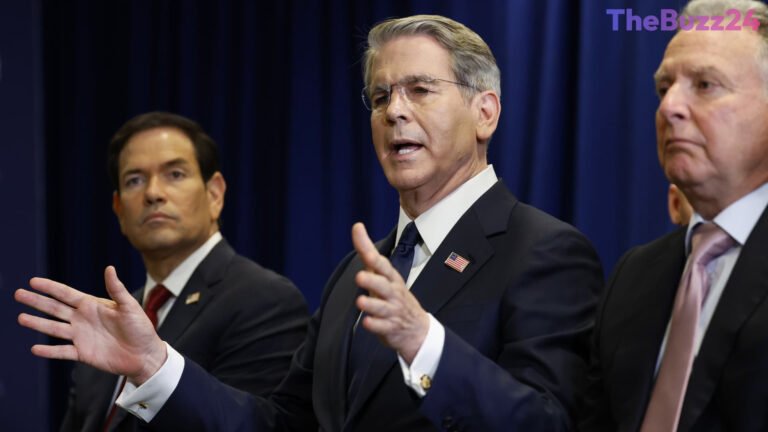
Meanwhile, state authorities are also asserting their presence in the evolving regulatory landscape. A bipartisan coalition of state attorneys general recently voiced strong opposition to the federal Clarity Act framework, arguing that sweeping federal legislation could undermine local police powers and diminish the ability of states to prosecute predatory scams and fraudulent actors. While some policy experts argue that capital markets require uniform federal governance, state officials continue to leverage their authority to protect local investors from illicit activities.
Industry leaders have generally welcomed the shift toward clearer agency-level guidance, emphasizing that regulatory certainty is essential for long-term sector growth and institutional investment. However, despite the proactive measures taken by financial watchdogs, developing comprehensive federal rules through administrative channels remains a complex and time-consuming process. As federal agencies build out their respective rulebooks, lawmakers maintain that legislative options remain open for future consideration.
Key Takeaways
- Federal agencies like the SEC and CFTC are actively building crypto rulebooks using existing statutory authority after the Clarity Act stalled in the Senate.
- A coalition of state attorneys general opposed the federal bill, arguing it would hinder states' abilities to protect consumers from financial scams.
- Industry leaders and market participants advocate for regulatory clarity to encourage traditional financial institutions to enter the digital asset space.
Editor’s Analysis & Impact
The stalling of the Clarity Act and the subsequent pivot to agency-led regulation mark a critical turning point for the U.S. cryptocurrency sector. Without a unified legislative framework from Congress, the market faces a patchwork of rules driven by the SEC, CFTC, and individual state regulators. While this executive-level action provides much-needed interim certainty, it also introduces potential friction between federal mandates and state-level enforcement. For institutional investors, clarity on custody rules and tokenized trading pathways will lower barriers to entry, accelerating the convergence of traditional finance and decentralized technology. However, reliance on agency rulemaking rather than statutory legislation leaves the regulatory landscape vulnerable to future political shifts, making a comprehensive bipartisan law eventually necessary for long-term market stability.
Frequently Asked Questions
Q: Why did federal regulators begin drafting new crypto rules?
A: Regulators stepped in to create administrative frameworks using their existing authority after the Clarity Act, a major crypto market structure bill, stalled in the Senate.
Q: What is the role of state attorneys general in crypto regulation?
A: A bipartisan coalition of state attorneys general has pushed to preserve state police powers to regulate securities and combat fraud, arguing that federal legislation should not strip states of their ability to protect consumers from scams.
Q: How are agencies like the SEC and CFTC implementing new guidelines?
A: The SEC has introduced temporary pathways for trading tokenized stocks and modernized asset custody rules, while the CFTC has submitted new rulemaking proposals for executive review under existing statutory powers.
AI Disclosure: This article is based on verified data and official reports. Our Team and AI have cross-referenced every financial detail with primary sources to ensure total accuracy.
More from this Category