UAW Secures Tentative Agreement with Dauch Corp Following 10-Day Strike
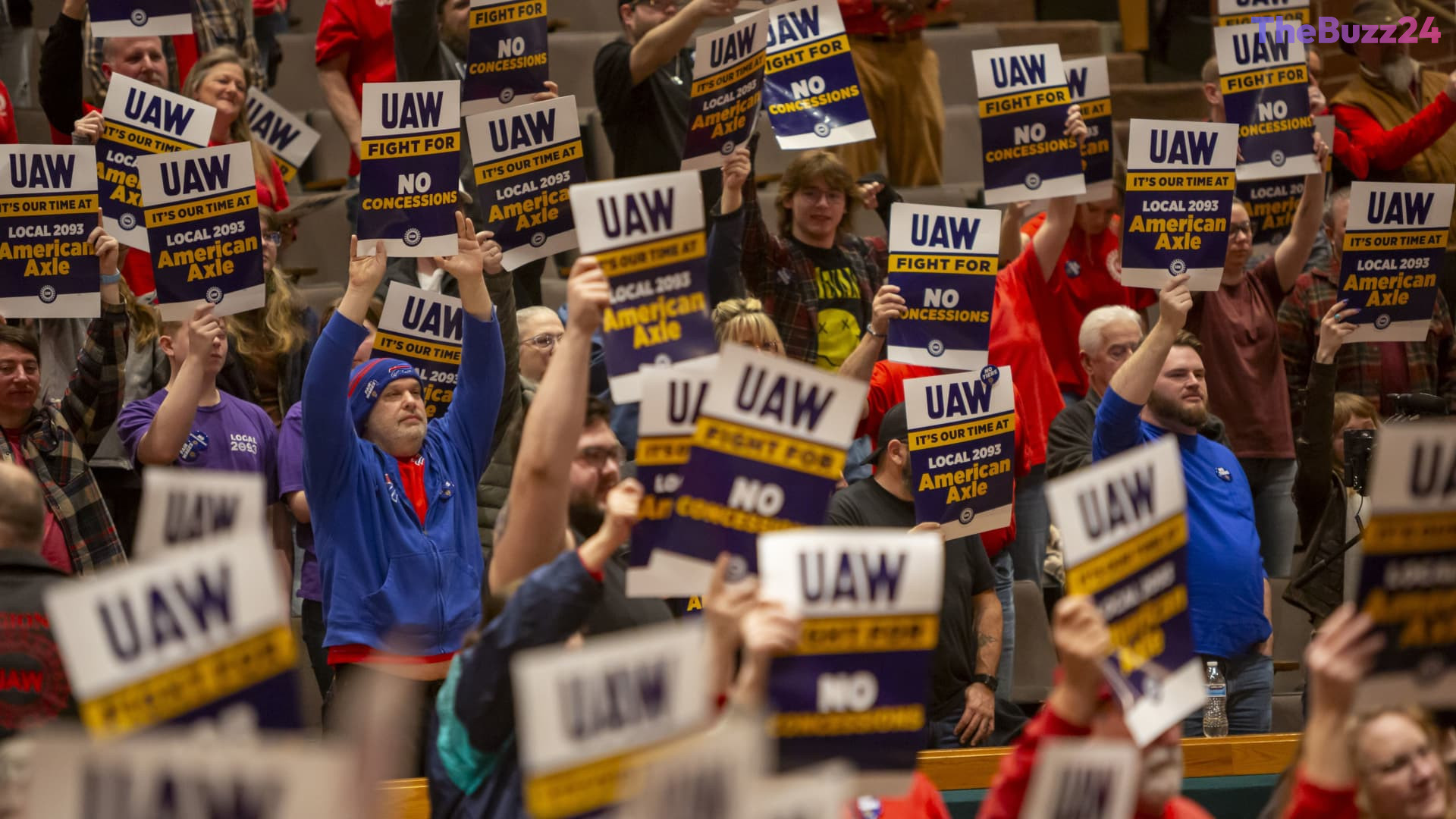
The United Auto Workers (UAW) union has successfully reached a tentative agreement with Dauch Corp, bringing an end to a 10-day work stoppage at the company’s manufacturing facility in Three Rivers, Michigan. The strike, which involved members of UAW Local 2093, had temporarily disrupted operations at a plant critical to the supply chain for General Motors’ full-size and midsize truck production.
Under the terms of the proposed contract, workers are set to see significant wage improvements. According to bargaining chairman Josh Jager, the agreement includes a path to a top wage rate of $30 per hour by 2030. This represents a substantial increase of more than 36% over the next four years, marking a major shift for employees who have seen relatively stagnant wage growth since accepting concessions in 2008. Currently, the top wage at the facility stands at $22 per hour.
While the deal has been reached, the UAW has clarified that the strike will officially continue until the membership completes the ratification process. Both the union leadership and Dauch Corp representatives have expressed optimism regarding the resolution, with the company acknowledging the collaborative efforts required to reach common ground during the negotiation process.
Key Takeaways
- The 10-day strike at the Dauch Corp plant in Three Rivers, Michigan, has concluded with a tentative labor agreement.
- The new contract proposes a wage increase to $30 per hour by 2030, a 36% raise over four years.
- Production of components for General Motors' truck lines will resume once the contract is formally ratified by union members.
Editor’s Analysis & Impact
The resolution of the Dauch Corp strike highlights the ongoing trend of aggressive labor negotiations within the automotive supply chain. By securing a 36% wage increase, the UAW continues to leverage its bargaining power to reverse the wage stagnation that has persisted since the 2008 financial crisis. For the broader automotive industry, this settlement serves as a bellwether for how suppliers—who often operate on thinner margins than major OEMs—will manage rising labor costs. As the industry transitions toward electric vehicles and faces inflationary pressures, the ability to balance worker demands with operational sustainability will be critical. This deal likely sets a new benchmark for smaller manufacturing facilities, potentially leading to increased labor costs across the automotive parts sector in the coming years.
Frequently Asked Questions
Q: When will the workers return to their posts?
A: The strike is set to continue until the union membership formally votes to ratify the new contract agreement.
Q: What is the primary change in the new contract for Dauch Corp employees?
A: The primary change is a significant wage increase, moving the top pay rate from $22 per hour to $30 per hour by 2030.
AI Disclosure: This article is based on verified data and official reports. Our Team and AI have cross-referenced every financial detail with primary sources to ensure total accuracy.
More from this Category