Gen Z Slang Storms Indian Parliament as Youth Protest Language Reshapes Debate
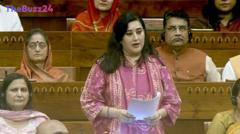
In a striking display of evolving political discourse, India’s parliament recently echoed with the slang terms typically found in online youth communities. This linguistic shift occurred during a debate on a new anti-exam leak bill, introduced following significant youth-led protests. Terms like “Delulu,” “FOMO,” and “Clock it,” once confined to social media, were openly used by Members of Parliament (MPs) from various parties.
The “Cockroach Janta Party” (CJP), a youth movement that gained traction through online platforms and successfully pressured the government, appears to have influenced the parliamentary conversation. MPs reportedly used slang to describe political opponents, with one accusing the opposition of being “MIA” (missing in action) and suffering from “FOMO” (fear of missing out), ultimately becoming “delulu” (detached from reality). Conversely, government lawmakers employed terms like “clocked it” to praise the Prime Minister’s legislative actions and also used “delulu” to criticize opposition stances.
This phenomenon highlights the growing impact of digital-native activism on traditional political arenas. The CJP, which began as a satirical online collective, rapidly mobilized young people frustrated with issues like unemployment and institutional failures. Its organization and communication strategies, heavily reliant on platforms like WhatsApp, Telegram, and Instagram, utilized memes, viral videos, and a distinct online vernacular. The government, recognizing the power of these platforms, also engaged directly with young voters through social media.
While some observers see this as a genuine embrace of youth culture by politicians, experts caution against overinterpretation. Political scientists note that politicians have historically adopted popular culture’s language to connect with constituents. The use of internet slang, however, presents a unique challenge due to its rapid evolution and decentralized origin. Digital anthropologists suggest that while adopting a generation’s vocabulary signals cultural awareness, it doesn’t automatically equate to addressing the underlying grievances that fueled the movement. The true test will be whether this linguistic adaptation translates into substantive policy changes or remains a superficial attempt to resonate with younger voters.
Key Takeaways
- Gen Z slang terms like 'Delulu' and 'FOMO' were used in India's parliament during a debate on an anti-exam leak bill.
- The youth-led 'Cockroach Janta Party' (CJP) protest movement influenced the parliamentary language, demonstrating the impact of online activism.
- While politicians adopting youth slang signals cultural awareness, experts suggest it may not necessarily indicate a deeper political transformation or a direct response to youth concerns.
Editor’s Analysis & Impact
The integration of Gen Z slang into parliamentary debates in India signifies a fascinating intersection of digital culture and traditional politics. This trend underscores the increasing influence of online movements and the necessity for political figures to engage with the language and platforms of younger demographics. While it can be seen as a strategic move to connect with a key voter base, it also raises questions about authenticity. The rapid, organic nature of internet slang contrasts sharply with the more curated communication typically seen in politics. This linguistic borrowing might be a superficial attempt to appear relevant, rather than a genuine understanding of the socio-economic anxieties driving youth movements. The long-term impact will depend on whether this newfound linguistic fluency translates into tangible policy responses that address the root causes of youth frustration.
Frequently Asked Questions
Q: What is 'Delulu' slang?
A: 'Delulu' is Gen Z slang, short for 'delusional,' used to describe someone who is detached from reality or holding onto unrealistic beliefs.
Q: What was the 'Cockroach Janta Party' (CJP) protest about?
A: The CJP was a youth-led protest movement in India that initially focused on alleged exam irregularities. It evolved into a broader platform for young people's frustrations regarding unemployment, institutional failures, and political indifference.
Q: Why is it significant that politicians are using Gen Z slang?
A: It's significant because it shows how online youth culture and activism are influencing traditional political discourse. Politicians are adapting their language to connect with a younger generation, but critics question whether this linguistic shift reflects genuine engagement with youth issues or just a superficial attempt at relevance.
AI Disclosure: This article is based on verified data and official reports. Our Team and AI have cross-referenced every financial detail with primary sources to ensure total accuracy.
More from this Category