UK Energy Bills Set to Climb as Global Market Volatility Tightens Supply
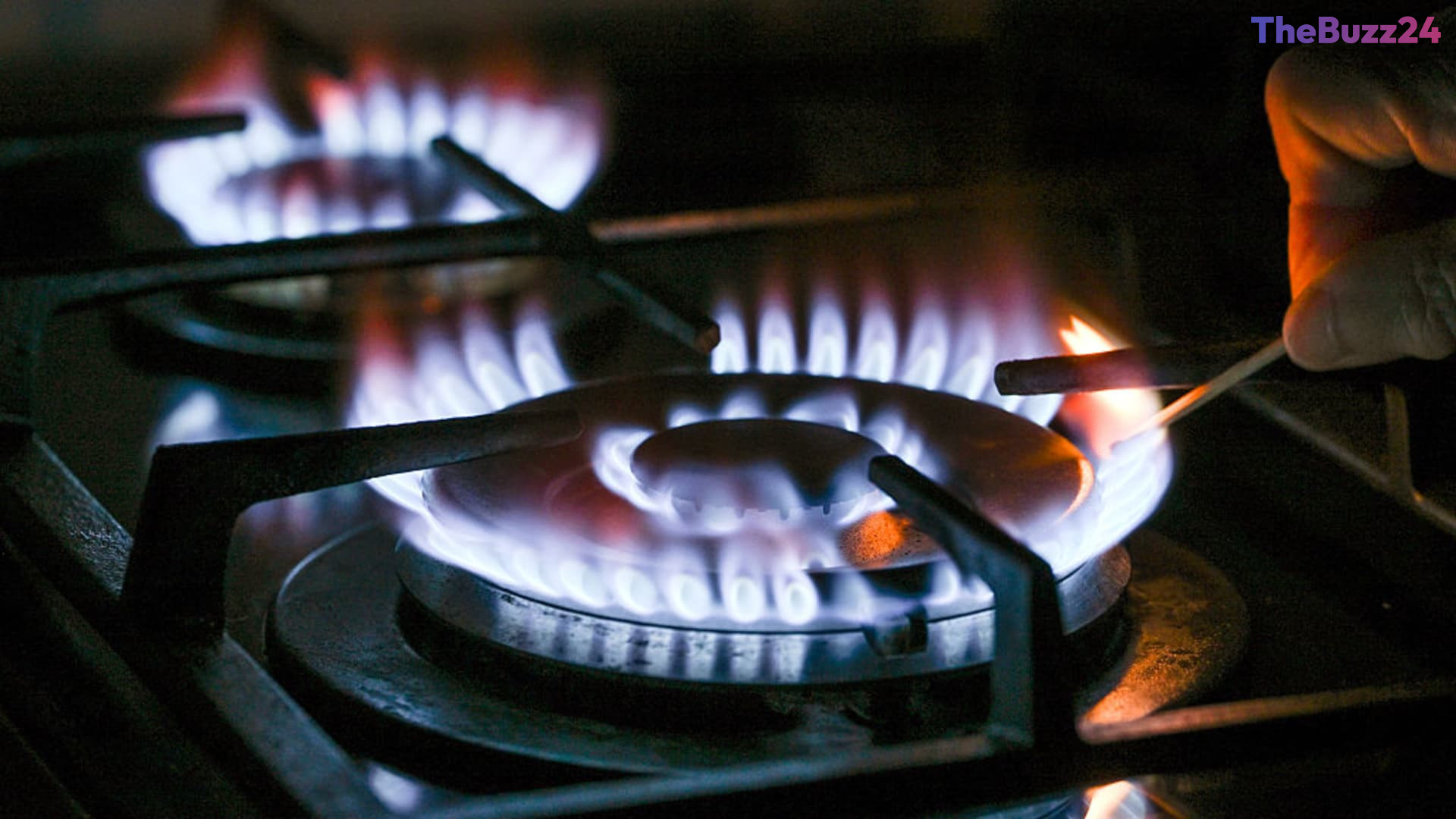
British households are preparing for a sharp increase in utility expenses this summer following an announcement by the national energy regulator, Ofgem, regarding a 13% hike in the energy price cap. Starting in July, the adjustment will see electricity costs rise by 5% and gas bills surge by 24%, marking the most significant increase in energy expenses seen in two years. The regulator has pointed to ongoing geopolitical instability in the Middle East as the primary driver, noting that these tensions have severely constrained global energy supplies and pushed wholesale prices to new heights.
Under the revised cap, the average annual household bill for gas and electricity is expected to rise to £1,862, a notable increase from the current £1,641. This comes despite a concerted effort by consumers to lower their usage, with recent data showing electricity consumption down by 7% and gas usage down by 17% since the previous review. However, the market remains fragile, with the closure of vital shipping routes like the Strait of Hormuz continuing to fuel volatility in Brent crude oil and Dutch TTF gas futures.
While current rates remain below the extreme peaks recorded during the 2022 energy crisis, the financial burden on families is expected to remain significant. Analysts are already warning that further upward adjustments to the price cap could be necessary as early as October. Energy Security Secretary Ed Miliband has acknowledged the mounting pressure on the public, stating that the government is actively monitoring the situation and exploring strategies to shield domestic energy security from the impact of international conflicts.
The broader European landscape is also feeling the strain, as nations across the continent struggle with supply bottlenecks and the resulting inflationary pressure. As countries navigate the complexities of energy dependency, the situation highlights the ongoing vulnerability of the domestic market to global geopolitical shifts.
Key Takeaways
- Ofgem has announced a 13% increase in the energy price cap, effective this July.
- The average annual household energy bill is projected to rise to £1,862.
- Geopolitical instability in the Middle East and disrupted shipping routes are the primary drivers of the current wholesale price surge.
Editor’s Analysis & Impact
The latest hike in the UK energy price cap underscores the persistent vulnerability of national utility markets to global geopolitical friction. By relying on volatile international supply chains, the UK remains susceptible to price shocks triggered by events in the Middle East and beyond. The fact that this increase occurs despite a notable reduction in consumer demand suggests that structural supply issues are currently outweighing conservation efforts. Looking ahead, the energy sector faces a precarious outlook; if geopolitical tensions in key shipping corridors persist, we should expect continued upward pressure on price caps through the autumn. This creates a challenging environment for policymakers, who must balance the need for energy security with the rising cost-of-living crisis, potentially forcing a shift toward more aggressive domestic energy independence strategies to insulate consumers from future global market fluctuations.
Frequently Asked Questions
Q: Why are energy prices rising in the UK?
A: Energy prices are rising primarily due to geopolitical instability in the Middle East, which has disrupted global supply chains and caused wholesale energy costs to spike.
Q: How much will the average household bill increase?
A: The typical annual bill for gas and electricity is projected to reach £1,862, up from the current level of £1,641.
AI Disclosure: This article is based on verified data and official reports. Our Team and AI have cross-referenced every financial detail with primary sources to ensure total accuracy.
More from this Category