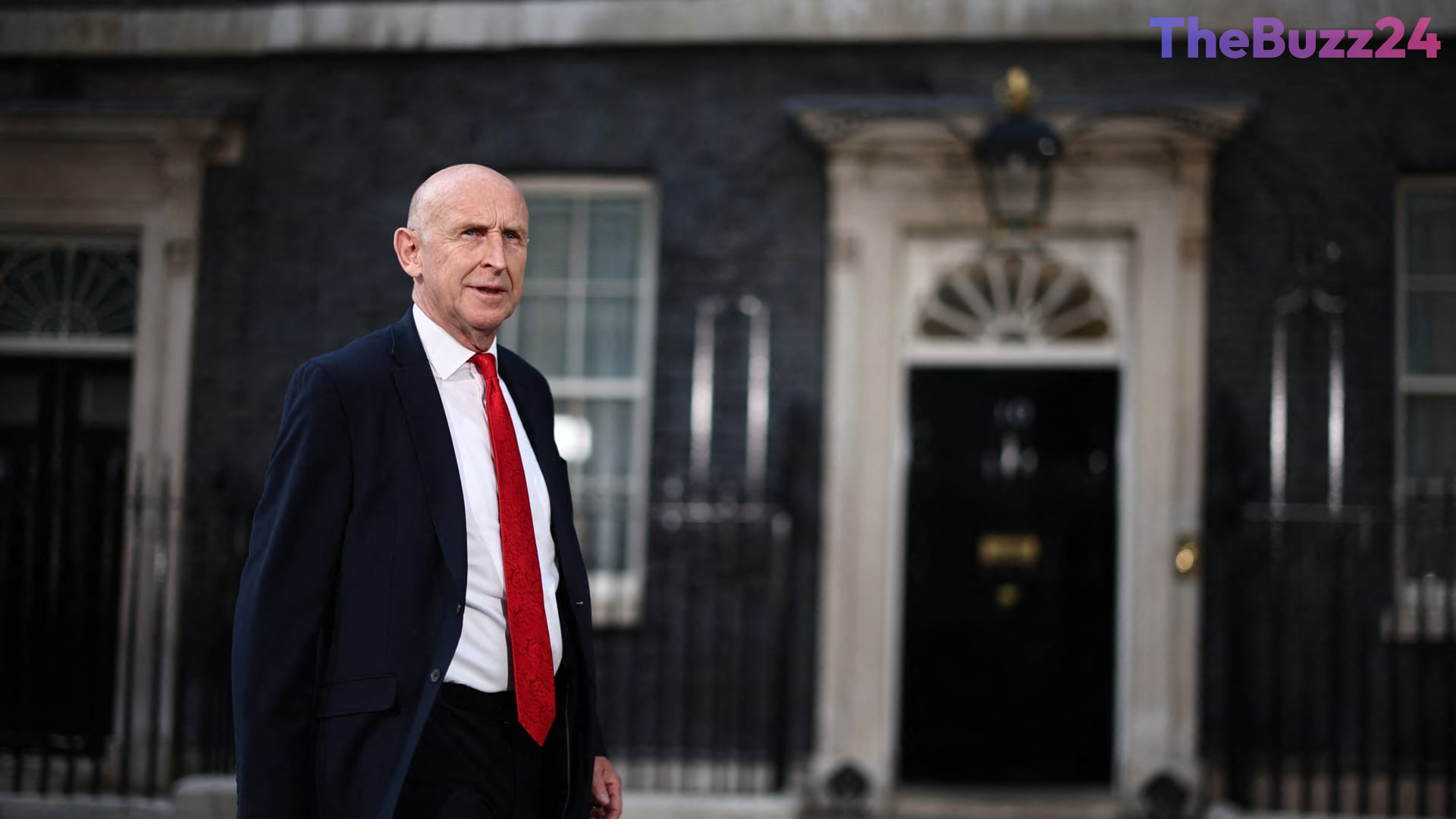
UK Markets Brace for Shift as John Healey Takes Helm as Finance Minister
The United Kingdom has entered a new political chapter following the appointment of John Healey as the Chancellor of the Exchequer. His selection comes as Andy Burnham assumes the role of Prime Minister, marking the seventh leadership transition in the country within a single decade. As the new administration settles in, investors and analysts are closely monitoring how the government will balance a potentially left-leaning policy agenda with the urgent need to maintain fiscal stability in a volatile economic climate.
Prime Minister Burnham has signaled a focus on ambitious domestic goals, including a significant increase in public housing construction and immediate interventions to address the ongoing cost-of-living crisis. In a swift initial move, the new administration announced a reduction in sales tax on household electricity bills from 5% to 0%, effective this October. This policy shift is set to be financed by the cancellation of a previously planned Digital ID program, a move the government claims will provide necessary relief to households without compromising long-term fiscal discipline.
Despite these promises, the government faces a challenging path. With the U.K.’s debt-to-GDP ratio hovering around 95%, the administration is under intense pressure from bond markets to demonstrate fiscal responsibility. Market participants have expressed concerns that a more expansionary fiscal approach could lead to higher taxes and slower growth. While initial market reactions to the new cabinet have been relatively calm, experts warn that the government’s spending ambitions will ultimately be constrained by the realities of the bond market, which remains sensitive to any signs of fiscal loosening.
Beyond domestic economic policy, Healey’s background as a former defense minister has sparked speculation regarding the government’s approach to national security spending. With a significant funding gap identified in previous defense investment plans, there is growing pressure to prioritize military expenditure. As the administration prepares for its upcoming Autumn Budget, the challenge will lie in reconciling these defense priorities with the broader demands of a struggling economy and the need to foster a pro-business environment that encourages sustainable growth.
Key Takeaways
- John Healey has been appointed as the new Chancellor of the Exchequer under Prime Minister Andy Burnham's administration.
- The government plans to cut electricity sales tax to 0% in October, funded by scrapping a proposed Digital ID program.
- Market analysts warn that the U.K.'s high debt levels mean the government's spending plans will be strictly scrutinized by bond markets.
Editor’s Analysis & Impact
The appointment of John Healey as Chancellor signals a pivotal moment for the U.K. economy. The market is currently in a ‘wait-and-see’ mode, balancing optimism over the new administration’s stability against deep-seated concerns regarding fiscal sustainability. The primary tension lies between the government’s desire to implement social welfare and infrastructure improvements and the harsh reality of a 95% debt-to-GDP ratio. If the administration fails to provide a credible path for growth, they risk a repeat of past market volatility where bond yields spiked in response to perceived fiscal recklessness. Furthermore, the focus on defense spending adds another layer of complexity to the upcoming budget. Investors will be looking for clear, funded strategies rather than ‘magic money tree’ solutions to ensure the U.K. remains an attractive destination for capital.
Frequently Asked Questions
Q: What is the primary economic challenge facing the new U.K. government?
A: The government must balance the need for social spending and cost-of-living relief with the requirement to maintain fiscal discipline and manage a high debt-to-GDP ratio of approximately 95%.
Q: How does the new government plan to fund the reduction in electricity taxes?
A: The government intends to fund the tax cut by canceling the previously planned Digital ID program, which was projected to cost £1.8 billion over the next three years.
AI Disclosure: This article is based on verified data and official reports. Our Team and AI have cross-referenced every financial detail with primary sources to ensure total accuracy.
More from this Category