Security Breach at Unofficial Visa Portal Exposes Thousands of Sensitive Documents
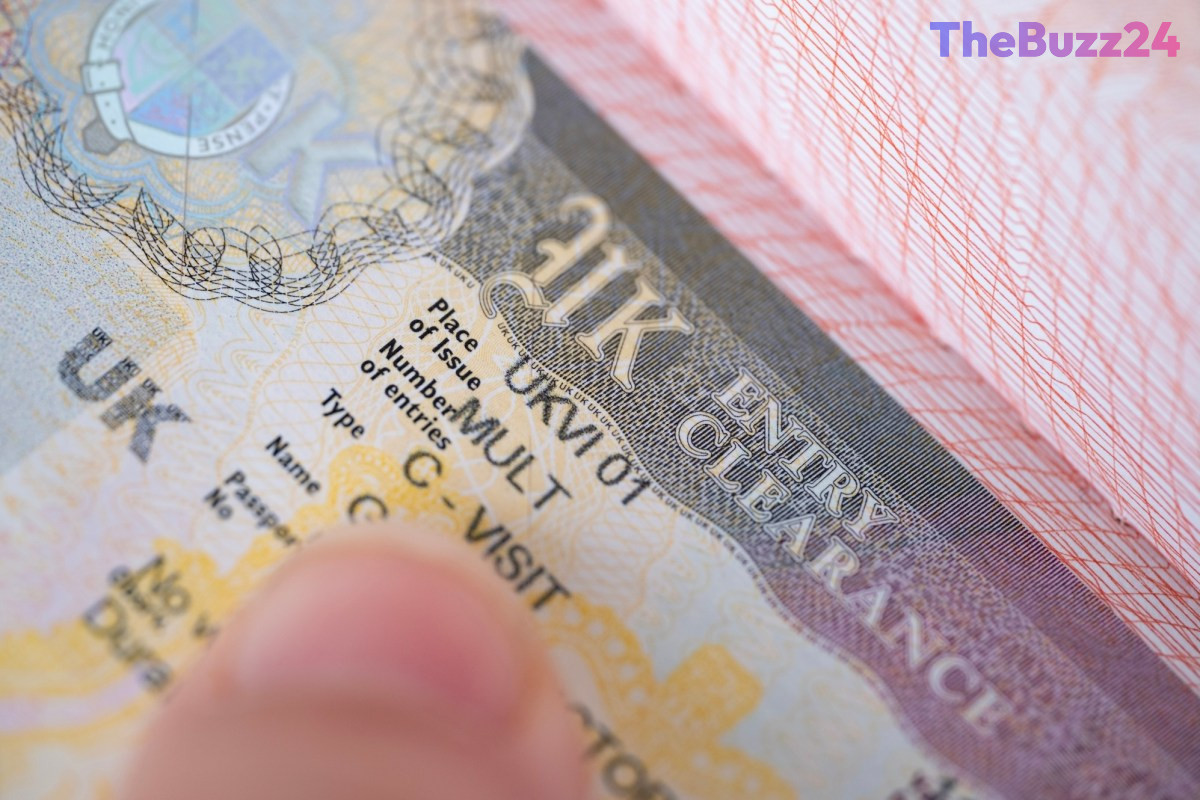
A private website masquerading as an official UK visa processing portal has suffered a massive data breach, leaving thousands of sensitive personal documents exposed to the public. The site, which is not affiliated with the official U.K. government immigration services, reportedly left over 100,000 files accessible on an unsecured Amazon-hosted storage server. Many applicants had mistakenly used the platform, believing it to be the legitimate government channel for travel authorizations.
The vulnerability was caused by a misconfigured storage bucket that permitted unauthorized access to highly sensitive information. In addition to passport scans and identification photos, the exposed data included metadata containing precise geolocation coordinates. In many cases, this information could be used to identify the specific home addresses of the applicants, posing a significant risk of identity theft and physical security threats.
Despite the severity of the exposure, the organization behind the portal—reportedly linked to Active Leadgen LLC—has failed to provide a transparent response to the public or the affected individuals. Instead of addressing the technical failure, the company has reportedly prioritized legal and public relations management over user safety. As of now, there has been no formal notification issued to those whose data was compromised, nor has the company confirmed how long the files remained accessible.
This incident serves as a stark warning regarding the dangers of using third-party document processing services for government-related applications. Cybersecurity experts emphasize that travelers should exclusively utilize official government websites to ensure their data is handled according to strict privacy standards. The lack of accountability from the operators of this portal highlights the urgent need for greater scrutiny of private entities that handle sensitive government-issued identification.
Key Takeaways
- An unofficial visa portal left over 100,000 sensitive documents, including passport scans and home addresses, exposed on an unsecured server.
- The site was frequently mistaken for an official government channel, leading many users to unknowingly submit their private data to an insecure third party.
- The operators of the site have failed to issue a formal apology or notify affected users, opting instead to manage the situation through legal and PR channels.
Editor’s Analysis & Impact
The breach of this unofficial visa portal underscores a critical vulnerability in the digital ecosystem: the proliferation of ‘shadow’ government services that exploit user confusion. By mimicking official portals, these entities harvest high-value personal data, often with minimal security oversight. The incident highlights a growing trend where private firms prioritize data collection over robust cybersecurity infrastructure. From a market perspective, this event will likely trigger increased regulatory scrutiny on third-party lead generation and document processing firms. Future implications include potential class-action litigation and a push for stricter verification standards for websites that handle government-related documentation. For consumers, this serves as a reminder that the convenience of third-party services often comes at the cost of data sovereignty, necessitating a shift toward verified, official government channels to mitigate the risk of long-term identity exploitation.
Frequently Asked Questions
Q: How can I tell if a visa website is official?
A: Official government websites for the U.K. and other nations will always end in a government-specific domain suffix, such as '.gov.uk'. Always verify the URL before entering personal information.
Q: What should I do if I suspect my data was exposed on this site?
A: If you used this portal, you should immediately monitor your credit reports for suspicious activity, consider placing a fraud alert on your accounts, and be vigilant against potential phishing attempts targeting your identity.
AI Disclosure: This article is based on verified data and official reports. Our Team and AI have cross-referenced every financial detail with primary sources to ensure total accuracy.
More from this Category