Ukraine Intensifies Drone Campaign, Targeting Russian Fuel Supplies and Deep Territory
Ukraine has significantly escalated its drone operations, focusing on Russian fuel tankers in the Sea of Azov and striking deep into Russian territory to disrupt critical supply lines and energy infrastructure. This intensified campaign aims to choke off vital transportation routes to and from Crimea, a peninsula seized by Russia in 2014.
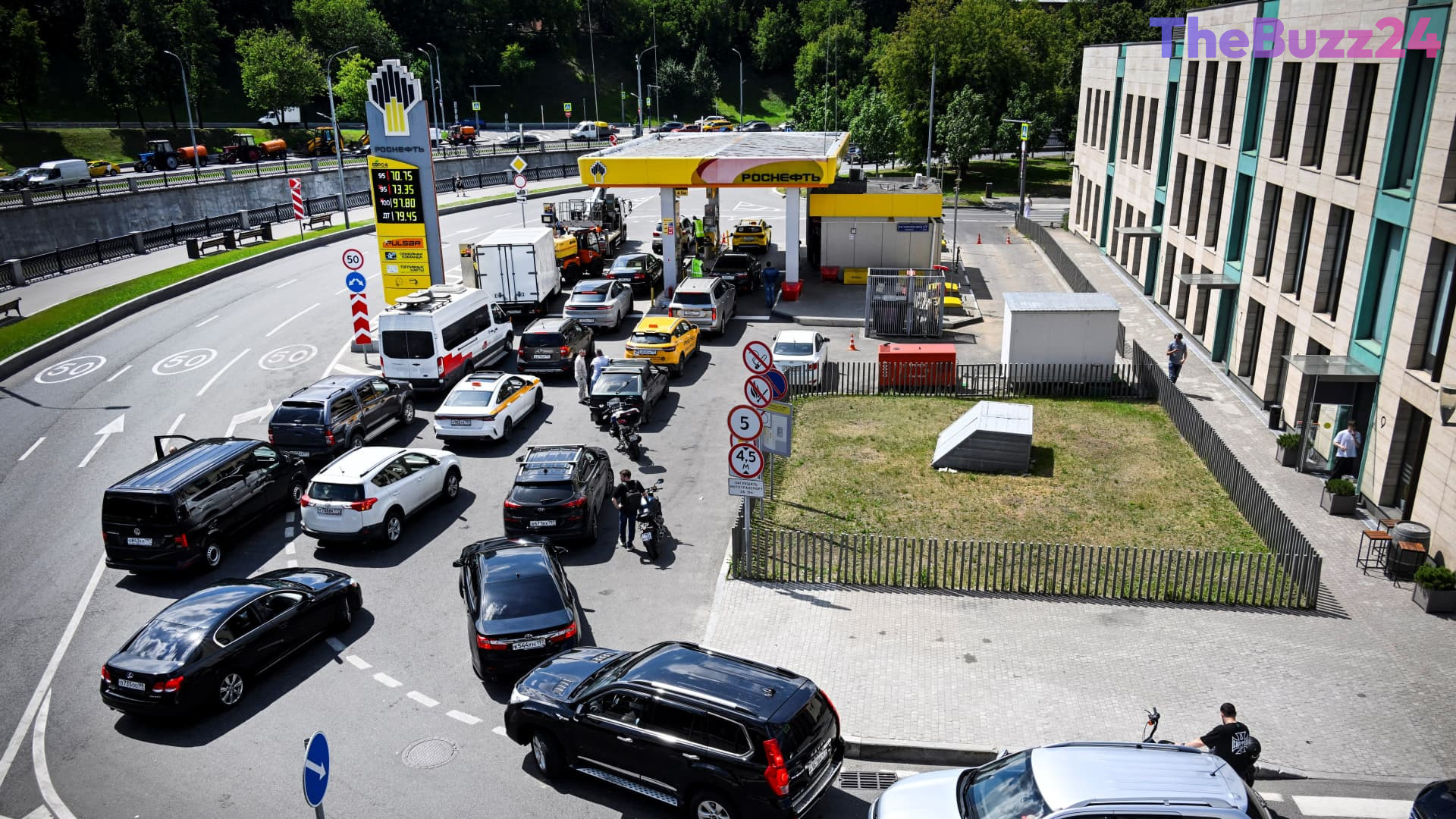
The impact of these attacks is becoming increasingly evident within Russia, where the country is grappling with a worsening fuel crisis. Reports indicate long daily queues at petrol stations across the nation. Ukraine’s drone force commander, Robert Brovdi, known as Magyar, recently stated that 14 Russian vessels were hit in the Sea of Azov on a single Thursday evening, bringing the total number of Russian ships struck by Ukrainian drones to 35 within a 96-hour period.
Beyond maritime targets, Ukrainian drones have also targeted high-profile oil refineries in major Russian cities, including Moscow and St. Petersburg. A recent strike on the Omsk refinery, situated nearly 2,500 kilometers from Ukrainian territory, prompted Ukrainian President Volodymyr Zelenskyy to declare that the country’s upgraded drone capabilities have now put Siberia “within reach.” Defense experts and strategists view these drone attacks as crucial in stalling Russia’s military momentum, though they also caution that such deep-strike successes significantly raise the risk of further escalation.
The economic ramifications for Russia are mounting. President Vladimir Putin has acknowledged the impact of Ukrainian drone strikes on domestic fuel production. Official data indicates that Russian gross domestic product (GDP) growth stalled in the first quarter, following a slowdown last year, despite a temporary boost from surging military spending. Analysts, such as Holger Schmieding, chief economist at Berenberg, note that while the military sector continues to thrive, the private sector faces contraction due to labor shortages, material scarcity, and high interest rates. The Kremlin, through spokesman Dmitry Peskov, maintains that Russia remains open to diplomatic negotiations but accuses Kyiv of lacking the willingness for a peaceful settlement, a stance echoed in previous exchanges where President Zelenskyy proposed a ceasefire for talks, which President Putin dismissed as pointless for an in-person meeting.
Key Takeaways
- Ukraine has significantly escalated drone attacks on Russian fuel tankers in the Sea of Azov and deep-seated oil refineries, aiming to disrupt supply lines to Crimea and cripple Russia's energy infrastructure.
- These attacks are contributing to a worsening fuel crisis in Russia, with President Putin acknowledging the impact on domestic production and economists noting mounting costs and stalled GDP growth.
- While defense experts see the strikes as pivotal in stalling Russian military momentum, they also warn of a heightened risk of escalation, as Ukraine demonstrates extended drone capabilities reaching far into Russian territory.
Editor’s Analysis & Impact
Ukraine’s intensified drone campaign marks a significant shift in strategy, extending the conflict’s reach deep into Russian territory and directly targeting its economic lifelines. The focus on fuel tankers and refineries aims to create tangible domestic pressure, potentially impacting Russia’s military logistics and public morale. This escalation, while strategically effective in disrupting supply chains and imposing economic costs, carries a substantial risk of provoking a more severe Russian response, as noted by defense experts. The economic data, showing stalled GDP growth and private sector contraction, suggests that the war’s financial burden is increasingly felt, despite military spending boosts. The long-term implications could include further destabilization of global energy markets if supply disruptions worsen, and a prolonged diplomatic stalemate as both sides remain entrenched in their positions, with little room for immediate negotiation.
Frequently Asked Questions
Q: What are the primary targets of Ukraine's recent drone attacks?
A: Ukraine's recent drone attacks are primarily targeting Russian fuel tankers in the Sea of Azov and key oil refineries located deep within Russian territory, including facilities in Omsk, Moscow, and St. Petersburg.
Q: What impact are these attacks having on Russia?
A: The attacks are contributing to a worsening fuel crisis in Russia, evidenced by long queues at petrol stations. Economically, Russia is experiencing stalled GDP growth and private sector contraction, with President Putin acknowledging the impact on fuel production.
Q: What is the strategic significance of targeting the Sea of Azov and deep Russian territory?
A: Targeting the Sea of Azov aims to disrupt vital supply and transportation routes to and from Crimea, which Russia seized in 2014. Striking deep into Russian territory, as far as Omsk, demonstrates Ukraine's extended drone capabilities and aims to impose economic costs and psychological pressure on Russia, bringing the conflict closer to its population centers.
AI Disclosure: This article is based on verified data and official reports. Our Team and AI have cross-referenced every financial detail with primary sources to ensure total accuracy.
More from this Category