Moscow Faces Aerial Security Crisis as Drone Strikes Disrupt Capital Ahead of Victory Day
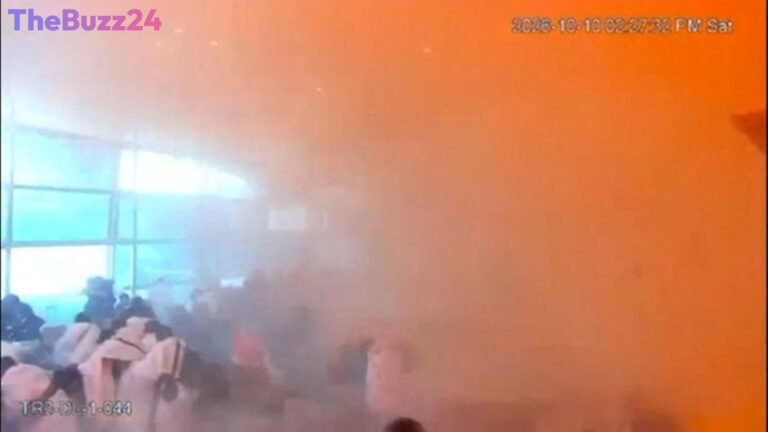
A residential high-rise in a prominent Moscow district sustained structural damage early Monday following a drone strike, marking the third consecutive night of aerial incursions into the Russian capital. While officials confirmed no casualties, the impact caused significant property damage, shattering windows and scattering debris throughout the building. The site of the strike, located less than 10 kilometers from the Kremlin, underscores the growing vulnerability of the city as it prepares for scaled-back Victory Day commemorations on May 9.
In response to the heightened threat, Russian defense authorities reported the interception of over 100 drones across various regions, including a major wave targeting St. Petersburg. The surge in activity prompted immediate safety measures, including the temporary suspension of operations at Vnukovo and Domodedovo airports. Additionally, local authorities have implemented strict limitations on mobile internet access throughout the city for the duration of the holiday week, citing the need to mitigate security risks.
This escalation reflects a broader shift toward long-range drone warfare, which has increasingly targeted Russian energy infrastructure and naval logistics. The decision to downsize traditional military parades this year is viewed by many as a direct response to the perceived insecurity of the capital. Meanwhile, the conflict continues to claim civilian lives elsewhere, with reports of a separate missile strike near the border city of Kharkiv on Monday, highlighting the persistent danger to urban centers as both sides continue to utilize long-range weaponry.
Key Takeaways
- A residential building near the Kremlin was damaged by a drone strike, marking three consecutive nights of aerial attacks on Moscow.
- Russian authorities have restricted mobile internet and closed major airports to bolster security ahead of Victory Day.
- The conflict is increasingly defined by long-range drone operations targeting infrastructure and urban centers, leading to civilian casualties in border regions.
Editor’s Analysis & Impact
The recent drone strikes on Moscow represent a significant shift in the tactical landscape of the ongoing conflict. By targeting the capital and critical infrastructure, these operations are designed to challenge the perception of Russian domestic security and force the Kremlin to divert resources from the front lines to protect its urban centers. The decision to scale back Victory Day celebrations suggests that the Russian government is increasingly sensitive to the optics of vulnerability. Looking forward, the reliance on long-range drone warfare is likely to persist as both sides seek to disrupt logistics and economic stability without engaging in direct, large-scale ground maneuvers. This trend indicates a protracted war of attrition where urban centers and energy assets remain primary targets, further complicating the prospects for near-term diplomatic de-escalation.
Frequently Asked Questions
Q: Why are there security restrictions in Moscow right now?
A: Authorities have implemented restrictions, including mobile internet outages and airport closures, to enhance security ahead of the May 9 Victory Day celebrations following a series of drone strikes.
Q: What is the strategic goal of the recent drone operations?
A: The operations are aimed at disrupting Russian energy infrastructure, naval logistics, and economic output, while simultaneously exerting psychological pressure on the Kremlin by demonstrating the vulnerability of the capital.
AI Disclosure: This article is based on verified data and official reports. Our Team and AI have cross-referenced every financial detail with primary sources to ensure total accuracy.
More from this Category