Unlocking the Body’s Clock: TimeTeller Pioneers Circadian Rhythm-Based Personalized Medicine
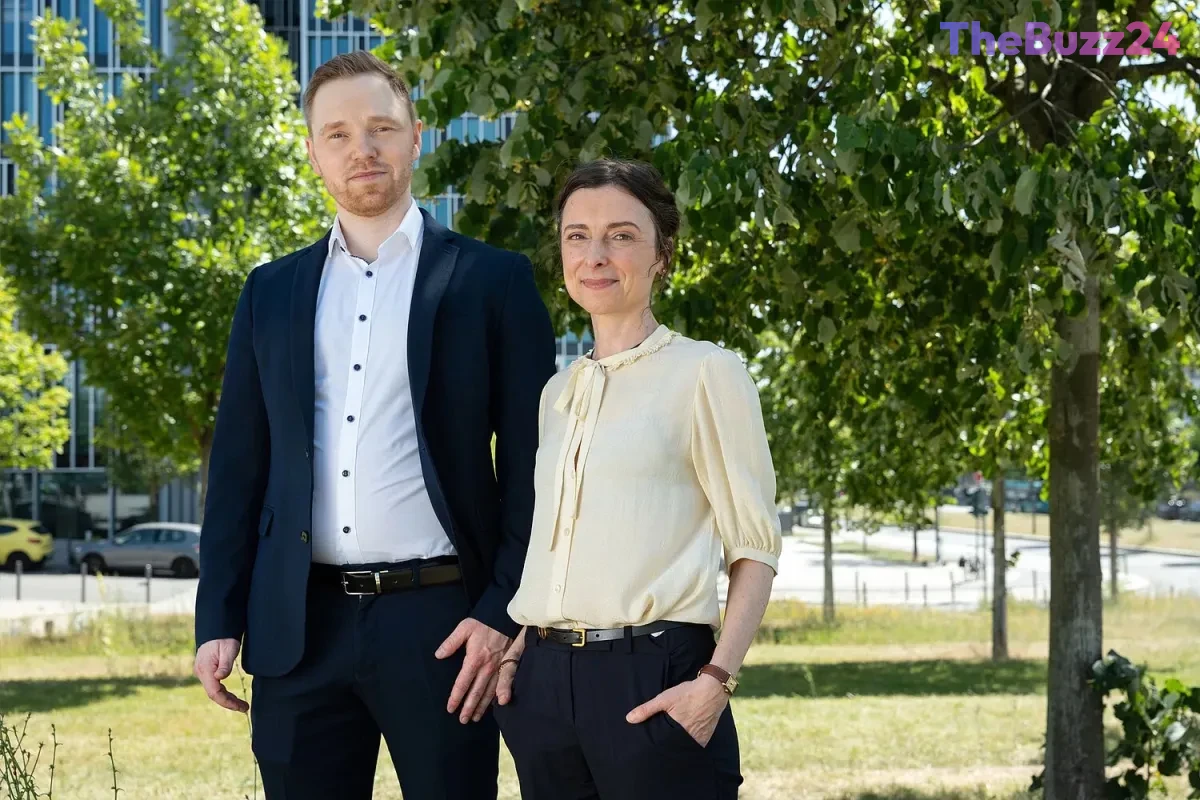
A German startup, TimeTeller, is making strides in personalized medicine by focusing on the body’s internal clock. Led by CEO Angela Relógio, a physicist-engineer and molecular biologist with extensive research in oncology and circadian biology, the company has developed a saliva test kit designed to help individuals understand their unique circadian rhythm. This innovative approach stands in stark contrast to past controversies in at-home health testing, with Relógio emphasizing a cautious, scientifically grounded methodology.
Relógio’s journey into TimeTeller was driven by a critical observation during her cancer research: many patients discontinued treatments due to severe side effects. She became convinced that the timing of treatment, not just the treatment itself, played a crucial role in patient tolerance and efficacy. The long-term vision for TimeTeller is to precisely determine the optimal timing for cancer therapies, aiming to reduce adverse reactions and improve outcomes far more granularly than simply identifying someone as a ‘morning person’ or ‘night owl.’ While the direct-to-consumer kit provides valuable individual data, Relógio clarifies that calculating specific treatment timings for medicines requires rigorous clinical studies.
Currently, TimeTeller is addressing demand from longevity clinics, which utilize individual circadian rhythm data to offer tailored advice on sleep, nutrition, light exposure, and physical activity for healthy aging. Beyond cancer, the technology holds potential applications in metabolic diseases like diabetes, neurodegenerative conditions such as Alzheimer’s, performance optimization, and women’s health. The company, which spun out of Berlin’s Charité university hospital and later moved to Medical School Hamburg for enhanced patient access and funding, has secured a significant partnership. Alongside co-founder Benjamin Dose, TimeTeller has teamed up with Techniker Krankenkasse, a major German health insurance provider, to offer reimbursement for its test to a subset of cancer patients, with plans for broader expansion.
This development positions TimeTeller as a crucial player in the evolving landscape of precision medicine. By making the ‘when’ a central question in healthcare, the company aims to tap into the fundamental truth that nearly every biological process in the human body operates on a timed schedule. This focus on chronomedicine not only offers a pathway to more effective and tolerable treatments but also underscores a broader ambition to integrate dynamic biological rhythms into the core of individualized health strategies.
Key Takeaways
- TimeTeller, a German startup, offers a saliva test to map individual circadian rhythms for personalized health insights.
- Led by scientist Angela Relógio, the company aims to optimize cancer treatment timing to reduce side effects and improve efficacy, a long-term goal requiring clinical studies.
- TimeTeller has secured a partnership with Techniker Krankenkasse, a major German insurer, for reimbursement of its test for cancer patients, indicating growing market acceptance.
Editor’s Analysis & Impact
TimeTeller’s innovative approach to personalized medicine, centered on circadian rhythms, could significantly impact oncology and beyond. By addressing the ‘when’ of treatment, it offers a novel pathway to enhance efficacy and mitigate side effects, potentially leading to better patient outcomes and reduced healthcare burdens. The partnership with Techniker Krankenkasse is a strong market validation, suggesting a viable path for broader adoption within Germany’s healthcare system and potentially internationally.
The future outlook for TimeTeller is promising, with potential expansion into metabolic, neurodegenerative, and women’s health. This shift towards integrating chronobiology into precision medicine represents a significant evolution, moving beyond static genetic profiles to dynamic biological timing. It underscores a growing recognition that optimizing interventions based on individual biological rhythms could become a new standard, fostering further research and investment in chronomedicine.
Frequently Asked Questions
Q: What is TimeTeller's primary mission?
A: TimeTeller's core mission is to leverage individual circadian rhythm data, obtained through a saliva test, to advance personalized medicine, particularly by optimizing the timing of cancer treatments to enhance efficacy and reduce side effects.
Q: How does TimeTeller's technology differ from general health advice?
A: While TimeTeller's direct-to-consumer kit provides data for personalized advice on sleep, nutrition, and activity, its long-term scientific goal is to precisely calculate the optimal timing for specific medical treatments, which requires clinical studies and goes beyond general 'morning person' or 'night owl' classifications.
Q: Is TimeTeller's test covered by insurance?
A: Yes, TimeTeller has partnered with Techniker Krankenkasse, one of Germany's largest health insurance providers, to offer reimbursement for its circadian rhythm test for a subset of cancer patients, with plans to expand this coverage.
AI Disclosure: This article is based on verified data and official reports. Our Team and AI have cross-referenced every financial detail with primary sources to ensure total accuracy.
More from this Category