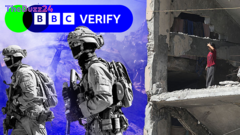
Unresolved Inquiries: Hundreds of Israeli Military Probes into Wartime Killings Remain Shielded from Public View
An exhaustive analysis of military conduct and operational records reveals that hundreds of official inquiries opened by the Israel Defense Forces (IDF) into potential unlawful killings across Gaza, the West Bank, and Lebanon have yielded no public resolution. Out of roughly 300 acknowledged incidents examined since the escalation of hostilities in late 2023, at least 254 cases remain without any disclosed findings or conclusive verdicts, despite official statements indicating the events were under formal review.
The unclosed files span high-profile, lethal incidents resulting in substantial civilian casualties. Among the unresolved matters are an August 2024 airstrike on the Al-Tabaeen school complex in Gaza City that claimed more than 90 lives, the December 2023 sniper shooting of two women within the Holy Family Catholic church compound, and the fatal shelling that killed five-year-old Hind Rajab alongside emergency responders. The vast majority of these unresolved probes—at least 158—stem from operations inside the Gaza Strip, with additional cases originating in the occupied West Bank and southern Lebanon.
While the Israeli military contends that conducting inquiries during active warfare presents severe evidentiary and logistical challenges, legal watchdogs and human rights organizations argue the prolonged silence circumvents accountability. The International Committee of the Red Cross emphasizes that investigations into potential violations of humanitarian law must maintain transparency, promptness, and thoroughness. Legal scholars warn that extending reviews indefinitely undermines Israel’s domestic legal standing under the Geneva Conventions, which requires nations to independently and impartially investigate operational misconduct.
Records show that only 28 of the 300 tracked cases have had conclusions published on official channels, with several others transferred to military prosecutors without public updates. While the IDF insists disciplinary steps have been enacted in dozens of administrative cases involving soldier conduct, the pervasive absence of clear, public outcomes leaves victims’ families without closure and exacerbates international concern over the efficacy of internal military oversight.
Key Takeaways
- At least 254 military inquiries into civilian deaths and severe harm across Gaza, the West Bank, and Lebanon currently have no published outcome.
- Fewer than 10% of roughly 300 acknowledged cases have resulted in public findings or closure announcements by the IDF.
- Legal scholars and human rights monitors warn that prolonged investigative delays risk weakening domestic legal defenses against international scrutiny.
Editor’s Analysis & Impact
The persistent backlog of unresolved inquiries carries profound geopolitical and legal implications for Israel. Under the principle of complementarity in international humanitarian law, external bodies—such as the International Criminal Court—defer to domestic jurisdictions only when a state demonstrates genuine willingness and ability to hold its forces accountable. By allowing hundreds of lethal incidents to linger indefinitely in administrative review without transparent findings, the military risks eroding its own legal shield. Furthermore, persistent opacity complicates diplomatic relations with Western allies, who face escalating domestic pressure regarding foreign military aid. Moving forward, the lack of transparency is likely to hasten calls for third-party international investigations and heighten legal scrutiny for military leadership.
Frequently Asked Questions
Q: Why does the IDF cite delays in publishing investigative results?
A: The military states that collecting and verifying evidence in hostile, active combat zones is exceptionally complex, and that operational security, privacy laws, and intelligence concerns restrict what information can be shared publicly.
Q: What obligations do armed forces have under international law regarding operational harm?
A: Under the Geneva Conventions and guidelines endorsed by the International Committee of the Red Cross, armed forces are required to conduct prompt, thorough, and transparent investigations into potential violations of international humanitarian law.
Q: What is the Fact-Finding and Assessment Mechanism (FFAM)?
A: The FFAM is the internal military body within the IDF responsible for reviewing and assessing exceptional operational incidents to determine whether they warrant formal criminal investigations by the Military Advocate General.
AI Disclosure: This article is based on verified data and official reports. Our Team and AI have cross-referenced every financial detail with primary sources to ensure total accuracy.
More from this Category