US Banks Show Resilience: Stress Tests Reveal Strong Capital Buffers Amid Regulatory Overhaul
America’s largest financial institutions have demonstrated robust resilience, successfully navigating a severe hypothetical economic downturn in the Federal Reserve’s latest annual stress test. The results, released Wednesday, indicate that the nation’s 32 largest banks could collectively absorb over $708 billion in losses during a deep global recession while continuing to provide essential credit to consumers and businesses.
Under the Fed’s stringent scenario, which simulated a sharp economic contraction featuring a 10% unemployment rate, a significant 39% plunge in commercial real estate values, and a 30% decline in home prices, all participating banks maintained capital levels well above the regulatory minimums. The common equity tier 1 ratio, a critical metric for absorbing losses, saw a modest decrease of 1.6 percentage points across the industry, underscoring the sector’s capacity to withstand financial shocks.
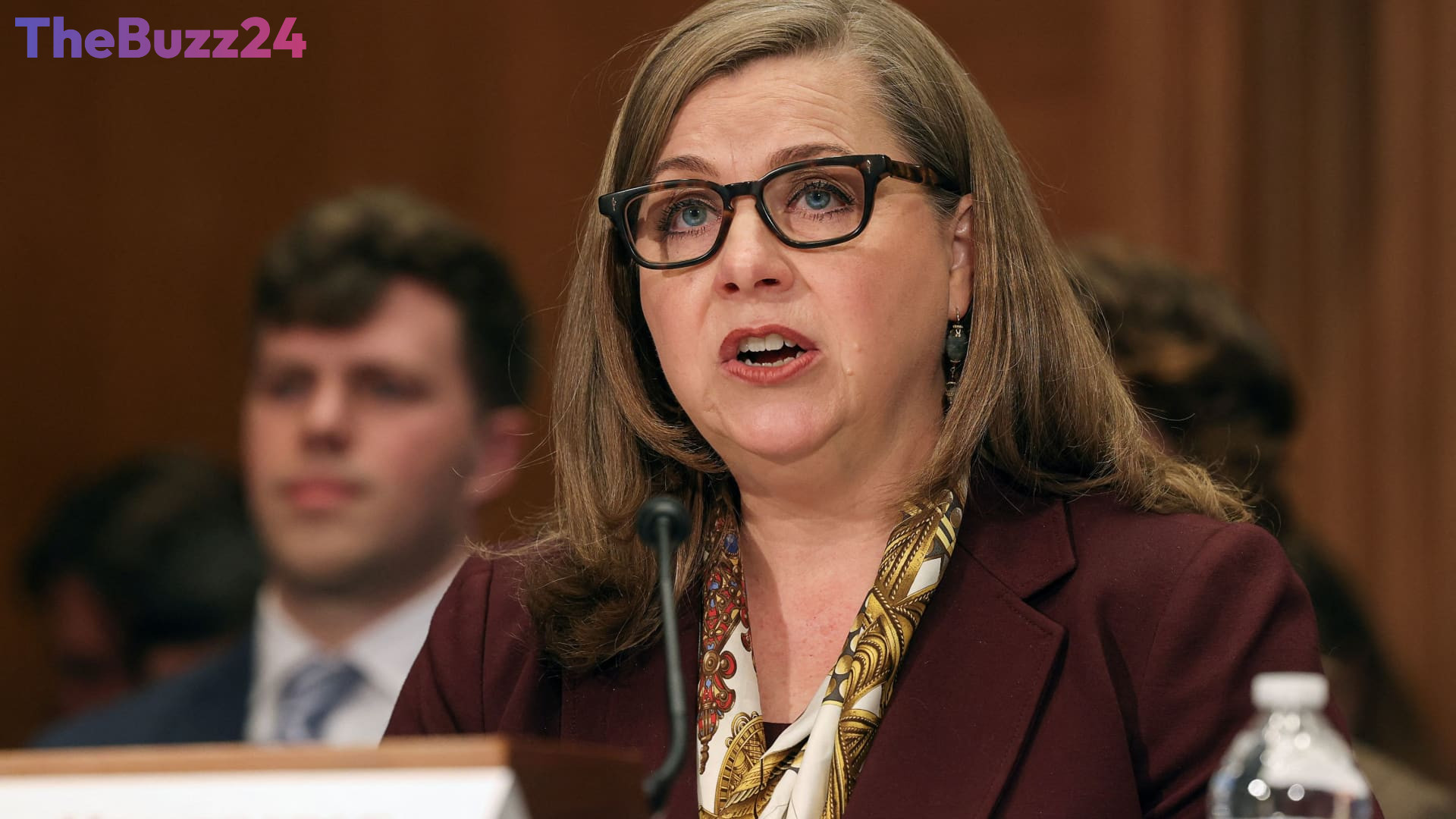
Projected losses within the test were substantial, with an estimated $200 billion attributed to credit card portfolios, $160 billion from commercial and industrial loans, and $75 billion from the commercial real estate sector. Federal Reserve Vice Chair for Supervision Michelle Bowman commented on the findings, stating, “Today’s results underscore the strength of the banking system.”
This year’s stress test occurs at a critical juncture for banking regulations. Notably, the outcomes will not directly influence the capital requirements for large banks in the immediate future. The Fed previously announced in February that these stress test buffers would remain unchanged until 2027. This decision allows regulators time to revise the testing methodology, a move prompted by industry feedback and potentially leading to a significant reshaping of capital requirements for future economic downturns. Industry analysts suggest that banks are now more focused on the forthcoming Basel III Endgame proposal, expected later this year, which is anticipated to have a more substantial impact on capital adequacy.
Key Takeaways
- All 32 major US banks passed the Federal Reserve's annual stress test, demonstrating their ability to withstand significant hypothetical losses.
- The stress test simulated a severe recession with high unemployment and sharp declines in real estate values, projecting over $708 billion in potential losses for the banks.
- The Fed will not adjust capital requirements based on this year's stress test results until 2027, as it revises its regulatory methodology.
Editor’s Analysis & Impact
The Federal Reserve’s latest stress test results paint a picture of a resilient U.S. banking sector, capable of absorbing substantial losses even under severe economic duress. This resilience is a positive signal for financial stability, potentially bolstering confidence among investors and the public. However, the decision to delay the impact of these results on capital requirements until 2027, while addressing industry concerns about methodology, introduces a period of regulatory uncertainty. The focus now shifts to the upcoming Basel III Endgame proposal, which could significantly alter capital requirements and necessitate strategic adjustments from financial institutions. The industry’s ability to adapt to these evolving regulatory landscapes will be crucial for its long-term health and its capacity to support economic growth.
Frequently Asked Questions
Q: What is the purpose of the Federal Reserve's stress test?
A: The Federal Reserve's stress test is an annual exercise designed to assess whether large banks have sufficient capital to absorb losses and continue operating during a severe economic recession. It helps ensure the stability of the U.S. financial system.
Q: Why won't this year's stress test results affect bank capital requirements immediately?
A: The Federal Reserve announced that it will not adjust the stress test buffers affecting capital requirements until 2027. This delay is to allow regulators time to rework the stress testing methodology, taking into account industry feedback and potentially reshaping how much capital banks must hold against future downturns.
Q: What specific economic conditions were simulated in the stress test?
A: The hypothetical scenario included a severe global recession with a 10% unemployment rate, a 39% drop in commercial real estate prices, and a 30% decline in home prices.
AI Disclosure: This article is based on verified data and official reports. Our Team and AI have cross-referenced every financial detail with primary sources to ensure total accuracy.
More from this Category